Learn how to build and maintain an indoor carnivorous plant terrarium using Venus flytraps, pitcher plants, sundews, and other wetland species. This guide explains lighting, soil, watering, dormancy, and long-term care requirements for creating a healthy miniature wetland habitat.
Indoor Carnivorous Terrarium Quick Guide
Suitable plants: Venus flytraps, pitcher plants, sundews, butterworts, bladderworts
Light needs: 12 to 14 hours of direct light daily
Water type: Distilled, reverse osmosis, or clean rainwater
Soil type: Nutrient-poor substrate with peat moss, perlite or sand
Humidity: Moderate to high with adequate airflow
Dormancy required: Yes, for temperate carnivorous species
Fertilizer: Do not fertilize
Best container: Open terrarium or aquarium with good air circulation
Understanding Carnivorous Wetland Plant Habitats
Carnivorous plants, such as Venus flytraps, pitcher plants, and sundews, are intriguing for their unique method of obtaining nutrients.
They may seem alien and hostile, but the features they’ve evolved allow them to thrive in specific wetland environments.
What Are Carnivorous Wetlands?
Wetlands are habitats that retain water for at least several weeks per year, up to permanently. Wetland habitat types in South Carolina include, but are not limited to, swamps, marshes, and bogs.
Carnivorous plants evolved to live specifically in isolated, rain-fed wetlands. Most plants rely primarily on sunlight and gases such as carbon dioxide for growth, but they also require additional nutrients to reach their maximum size and reproduce.
These nutrients typically reach non-wetland plants by leaching through the soil. Waterlogged soil, like that found in wetlands, restricts the movement and availability of nutrients.
Wetlands fed by creeks or rivers regularly receive nutrients with the natural flow of water. When wetlands fill solely with rainwater, they lack minerals and nutrients, which restricts plant growth.
Native plants that have adapted to this nutrient-poor environment possess unique traits that enable them to access these other nutrients in different ways. Fertilizing these rain-fed wetland plants can damage them.
How Carnivorous Plants Get Nutrients
Carnivorous plants obtain nutrients by trapping and digesting invertebrates, such as:
- Flies
- Spiders
- Wasps
- Caterpillars
Other plants, like cranberries, retain as many nutrients as possible with waxy coatings on their evergreen leaves.
What Is a Bog?
Carnivorous wetlands, for this document, are any wetlands dominated or defined by native carnivorous plants. Often, carnivorous wetlands are referred to as bogs, but the term “bog” has a restrictive definition.
Bogs are peat-filled, acidic, and wet environments that are very spongy due to the extensive peat, or dead plant material, in their substrate.
Bogs exist throughout South Carolina and are known by various names, including pocosins and mountain bogs.
Carnivorous Plant Habitats in South Carolina
In addition to bogs, carnivorous plants thrive in many types of wetlands.
South Carolina wetland habitats where carnivorous plants thrive include:
- Pine savannas
- Mountain fens
- Cypress swamps
- Carolina Bays
What Are Carolina Bays?
Carolina Bay wetlands are:
- Shallow
- Oval
- Depressional
- Isolated wetlands
Carolina Bays are found on the Atlantic coast from New Jersey to Florida, with the majority located in the Carolinas. Their oval ends are strangely oriented, running from northwest to southeast.
It’s still unclear why this orientation exists, but one leading theory is that Carolina Bays formed between 7,000 and 20,000 years ago. During this time, strong southwesterly winds blew over ponded water, creating circular currents at the northwest and southeast ends of the ponds. These currents developed and carved out the pond’s ends, resulting in an ovoid shape.
Due to their age and unique characteristics, Carolina Bays are home to several rare and endemic native species, including carnivorous plants.
Why Carnivorous Plants Should Never Be Collected from the Wild
It might be tempting to remove carnivorous plants from their natural environment to bring them home.
However, this seemingly innocent act has historically led to the destruction of habitats.
There are also legal repercussions for poaching.
Instead, carnivorous plants are available for purchase at many places, including big-box stores, online, and local nurseries. Use the South Carolina Native Plant Society native plant nursery map to find the nearest nurseries.
How to Create an Indoor Carnivorous Plant Terrarium
Carnivorous plants thrive in indoor environments that mimic their natural habitats. Terrariums are a fantastic way to develop and maintain a miniature habitat.
Supplies for an Indoor Carnivorous Plant Terrarium
Acquire all equipment and materials before getting plants. The plants are sensitive and cannot be left in an unsuitable environment for long without suffering permanent damage.
Equipment Checklist
- Container for mixing substrate
- Terrarium
- Trowel or another tool for mixing and digging
- Gloves, optional
- Mask, for perlite dust
- Full-spectrum light
Choosing a Terrarium for Carnivorous Plants
A fish tank or other glass container works well for an indoor wetland terrarium.
A suitable container should:
- Be large enough for plenty of airflow around the plants.
- Be tall enough to protect plants.
- Remain open whenever possible.
- Use a lid only if adequate airflow is maintained through wide spacing or by using a low-powered fan, such as a computer fan.
Important: Without airflow, plants can develop mold and rot.
Lighting for Carnivorous Plant Terrariums
Lighting is typically the most expensive part of the setup.
For successful indoor growth:
- Provide 12 to 14 hours of bright, direct light per day.
- Avoid placing terrariums in sunny windows.
- Use a full-spectrum LED light.
- Consider using an outlet timer.
Full-spectrum lights are available online. The International Carnivorous Plant Society has a lengthy article on lights, which can provide further explanation.
Best Soil and Substrate for Carnivorous Plant Terrariums
Rain-fed wetlands are nutrient-poor, so choose a terrarium substrate that does not contain fertilizer or have high levels of iron or other nutrients.
Carnivorous plant substrate mixes can be purchased online. Or make a mix containing:
- ½ sphagnum peat moss and ½ perlite, or
- ½ sphagnum peat moss and ½ play sand
Creating a Drainage Layer
Since closed glass containers lack drainage, a drainage layer at the bottom of the tank can help both create drainage and monitor water levels.
A 1- to 2-inch layer of perlite beneath the peat layer improves drainage and acts as a reservoir.
Using perlite also makes the water level visible from the outside, enabling monitoring and preventing the plants from drowning.
Important: While wetland plants require consistently wet soil, their roots still need oxygen and will drown if submerged for too long.
Water Requirements for Carnivorous Plants
Carnivorous plants in their natural habitat are fed by rainwater. They require demineralized water.
Safe water sources include:
- Distilled water
- Reverse osmosis water
- Clean rainwater
- Some low-TDS filtered water
Distilled and reverse osmosis water are guaranteed to be safe, but they can be somewhat costly over time.
Clean rainwater makes a great water source for these plants, but it may contain small amounts of contaminants from containers or roofs. Ensure the rainwater is clean before using it.
Learn more about rainwater harvesting with the Clemson Rainwater Harvesting Manual.
Some water filter pitchers reduce the total dissolved solids (TDS) to zero or nearly zero, making the water safe for use by carnivorous plants. Still, these filtered pitchers have a greater upfront cost than purchasing water.
Planning for Carnivorous Plant Dormancy
Southeastern habitats exist in temperate environments and therefore undergo seasonal dormancy.
Like deciduous trees, temperate carnivorous plants enter seasonal dormancy for a few months each year. Without dormancy, the plants will deteriorate over time.
Therefore, a cool place will need to be selected for the plants to spend their dormancy. See more information below.
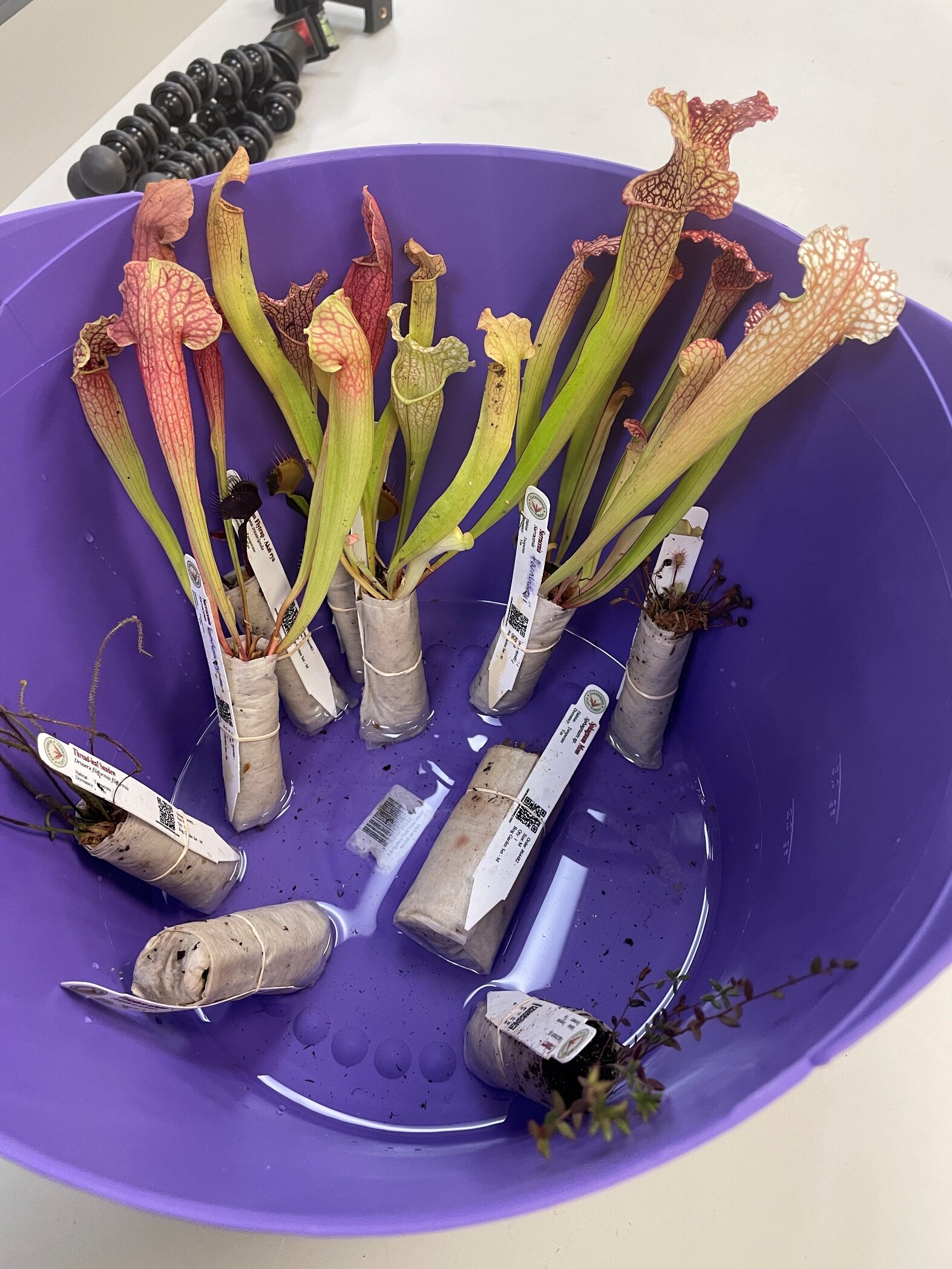
Figure 1. Carnivorous plant assortment from the Carnivorous Plant Nursery “Bog Garden Set.”
Tess Moody, ©2026, Clemson Extension
Choosing Carnivorous Plants for an Indoor Terrarium
Buy Nursery-Grown Plants, Never Wild-Collected Plants
Carnivorous plants should never be removed from the wild or purchased from someone suspected of poaching.
Keep in mind that it is illegal to remove any native plants from public lands without a permit.
Many species are readily available for purchase from reputable nurseries.
Native Carnivorous Plants for Terrariums
Native Carnivorous Plants
- Sarracenia pitcher plants
- Sundews
- Venus flytraps
- Some butterworts
- Some bladderworts
Native Non-Carnivorous Companion Plants
- Orange milkwort
- Bog violets
- Sphagnum moss
- Cranberry plants
Where to Buy Carnivorous Plants
Big Box Stores
- Many big box stores carry at least a few species of carnivorous plants.
- Be aware that they may not have received proper care and may require rehabilitation.
Local Nurseries
- Local nurseries often have a few more options.
- Staff may have training and experience in maintaining healthy plants.
Online Retailers
- Online vendors often offer the broadest selections.
- Choosing a closer option may reduce shipping stress on plants.
How to Assemble an Indoor Carnivorous Plant Terrarium
Choose a Permanent Location
Decide where the terrarium will be placed. The container may be heavy and difficult to move, so it is best to assemble the terrarium where it will remain permanently.
Clean the Terrarium
Clean the container sufficiently. Avoid cleaners with heavy fragrances or chemicals that do not evaporate quickly. Unscented glass cleaners are a great option.
The surface must be free of any substances that could harm the plants. Rinse any residue off and allow it to dry.
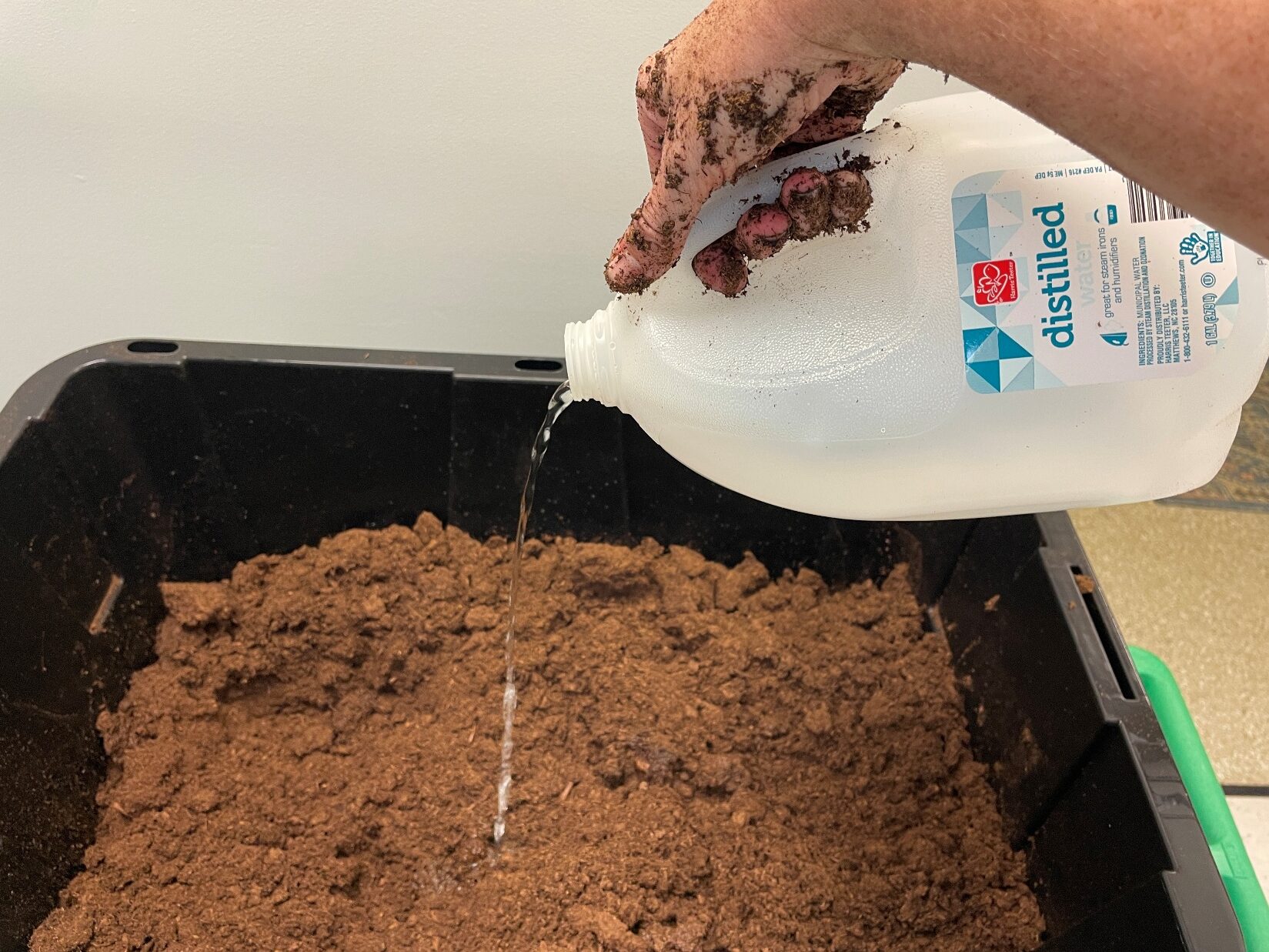
Figure 2. Hydrating the peat moss substrate with distilled water the night before planting the terrarium.
Tess Moody, ©2026, Clemson Extension
Hydrate the Substrate
Mix and sufficiently saturate the substrate in a container separate from the terrarium. It should feel like a soggy sponge.
The process of rehydrating peat moss can take several hours. Leaving it overnight will ensure the substrate is fully saturated. If too much water is added, the extra water should be poured off.
Build the Drainage Layer
Layer about 1 to 2 inches of perlite on the bottom of the terrarium.
Warning: Wear a mask. Perlite can irritate the respiratory system when inhaled and may cause long-term damage.
Add the Substrate
Add the hydrated substrate to the terrarium.
The substrate should be about as deep as the plants’ root balls, typically 2 to 3 inches for younger plants.
Plant the Carnivorous Plants
Plan the Plant Arrangement
Consider Light Requirements
- Distribute the plants with their lighting needs in mind.
- Place plants needing less intense light farther from the light source.
- Place plants needing more intense light closer to the light source.
Consider Mature Plant Size
- Consider each plant’s mature size before planting.
- Consider the vantage point from which the plants will be viewed.
- Avoid placing shorter plants behind taller plants.
- Leave room for horizontally spreading species.
Install the Plants
- Create small wells in the substrate.
- Put the roots and base of the plant in the well.
- Cover them with substrate.
- Do not cover the crown of the plant (the part of the plant where the roots join the stems or leaves).
Water the Newly Planted Terrarium
- Water the base of the plants gently.
- Water the rest of the substrate until the reservoir (perlite layer) has a visible layer of water.
- Larger terrariums will require more water to create the reservoir layer.
Install the Lighting System
- Mount the light at the appropriate distance based on the light’s strength and the selected plants.
- The International Carnivorous Plant Society has a lengthy article on lights, which can provide further explanation.
How to Maintain an Indoor Carnivorous Plant Terrarium
Follow these steps to ensure the terrarium remains healthy for years to come.
Feeding Carnivorous Plants
Contrary to appearances, these plants do not need much food. However, like all plants, they will grow more rapidly with regular feeding.
Feed carnivorous plants by:
- Opening the terrarium to allow plants to catch their own food naturally.
- Supplementing natural feeding infrequently with live invertebrates.
- Supplementing natural feeding infrequently with freeze-dried invertebrates obtained from a pet store.
- Providing dried bloodworms.
For more information about using dried bloodworms as a food source for carnivorous plants, visit The International Carnivorous Plant Society.
Plants only need a few invertebrates to get all the nutrients they need each season.
Important: If capturing wild invertebrates to feed the plants, ensure they have not been exposed to pesticides.
Watering Carnivorous Plants
- Always use demineralized water.
- Keep the substrate moist.
- Avoid regularly flooding it.
- Remove water that accumulates above the root crowns.
Helpful Tip
A turkey baster works well for removing water from a terrarium.
Managing Humidity in a Carnivorous Plant Terrarium
If Plants Appear Dry
- Humidity may be low.
- Ensure the substrate remains wet.
- Slightly cover the terrarium to increase humidity.
If Mold Develops
- Humidity is likely too high.
- Remove cover if present.
- Increase airflow.
- Consider adding a small fan, such as a computer fan.
Computer fans are easy to find online, generally small, and easy to mount inside a terrarium.
Pruning Carnivorous Plants
- Remove dead leaves from the terrarium to discourage mold growth.
Do not worry about removing several leaves at a time. Most carnivorous plants have robust roots that allow them to regrow quickly.
Managing Pests on Carnivorous Plants
Pests on carnivorous plants present a unique challenge, as these plants are particularly sensitive to chemical pesticides.
Pruning can help reduce pest problems, but may not solve them. For more information, refer to the International Carnivorous Plant Society Pest Management Resources.
Dormancy Requirements for Carnivorous Plants
Dormancy can be a scary process, but trust that the plants will do what they naturally do.
Dormancy is essential for these plants to rest and recover, enabling them to live long, healthy lives.
Many online carnivorous plant blogs recommend “at least 45 days at temperatures below 45 degrees”. This seems to be good guidance, as similar metrics have been established for other temperate species.
Dormancy for carnivorous plants can be achieved in several ways:
Outdoor Dormancy Method
- Move the terrarium to a covered, non-climate-controlled location, such as a garage, basement, or patio, to overwinter.
- Keep the substrate moist, but not wet.
- Do not worry about supplemental lighting; plants do not need it during dormancy.
- Do not allow the terrarium to freeze, as it may damage the glass.
Refrigerator Dormancy Method
If outdoor placement is not possible, the plants can be removed and refrigerated for dormancy.
- Clean tools with 70% isopropyl alcohol.
- Carefully dig up the plants from the terrarium with clean, sanitized tools.
- Trim tall leaves to a manageable size.
- Wrap roots with sphagnum if the substrate is removed from them to keep them moist, like a damp sponge.
- Place plants in a lidded plastic container. Clear containers allow easy monitoring. Opaque containers are acceptable, as the plants don’t need light during dormancy.
- Store in the refrigerator for at least 45 days.
- Do not place plants in a freezer.
Frequently Asked Questions About Carnivorous Plant Terrariums
Do carnivorous plants need fertilizer?
No. Carnivorous plants evolved in nutrient-poor environments and can be damaged by fertilizer.
What type of water should be used in a carnivorous plant terrarium?
Use distilled water, reverse osmosis water, clean rainwater, or another low-TDS water source.
How much light do carnivorous plants need?
Most species require 12 to 14 hours of direct light each day.
Do carnivorous plants need dormancy?
Temperate species require a period of dormancy each year to remain healthy.
Enjoy Your Indoor Carnivorous Plant Terrarium!
Once constructed, a terrarium takes a life of its own, changing and developing over time. A well-constructed, properly maintained indoor carnivorous plant terrarium can be enjoyed for many years.
Originally published 6/26