
Cranberry Rootworm Beetle on Landscape Shrubs in South Carolina
Identify cranberry rootworm beetle damage on landscape shrubs and learn how to protect plants with cultural practices and timely insecticide treatments.
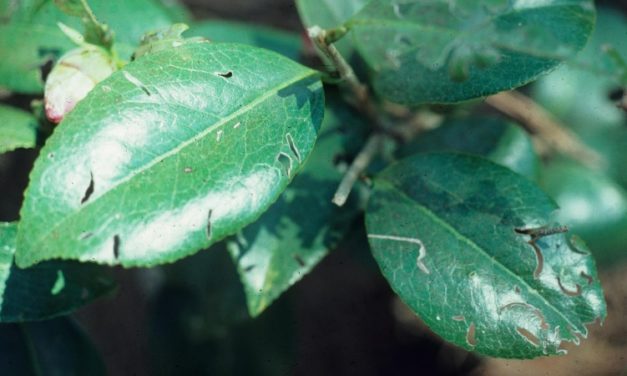
Identify cranberry rootworm beetle damage on landscape shrubs and learn how to protect plants with cultural practices and timely insecticide treatments.

Learn to identify common gardenia diseases and other problems, recognize symptoms early, and use effective prevention and management practices to keep gardenias healthy in South Carolina.
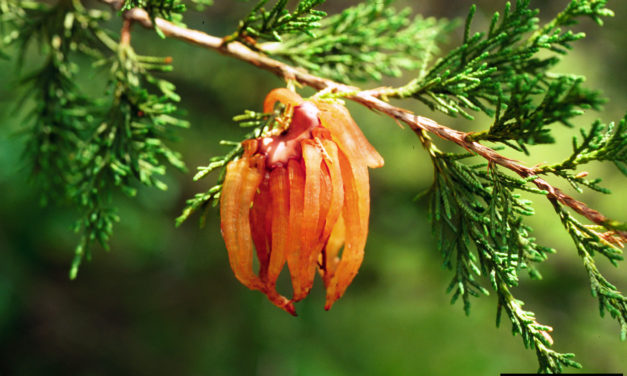
Identify common juniper diseases and insect pests in South Carolina and learn proven cultural, biological, and chemical management strategies to keep plants healthy.
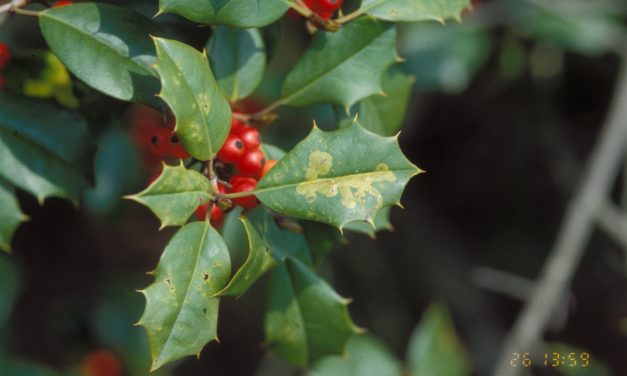
Learn to identify common holly diseases, insect pests, and environmental disorders in South Carolina and manage them using integrated pest management and labeled pesticides when needed.
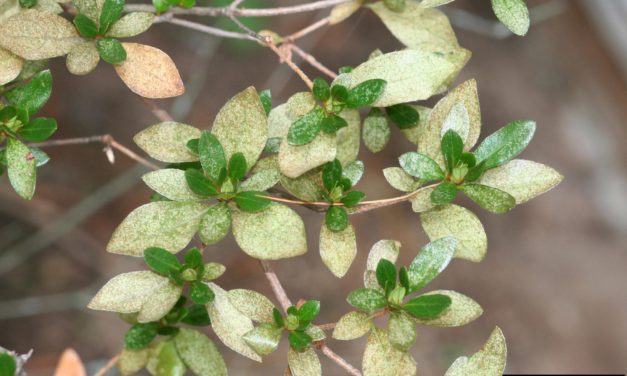
Learn to identify common azalea and rhododendron pests and manage them using integrated pest management and labeled pesticides when needed.
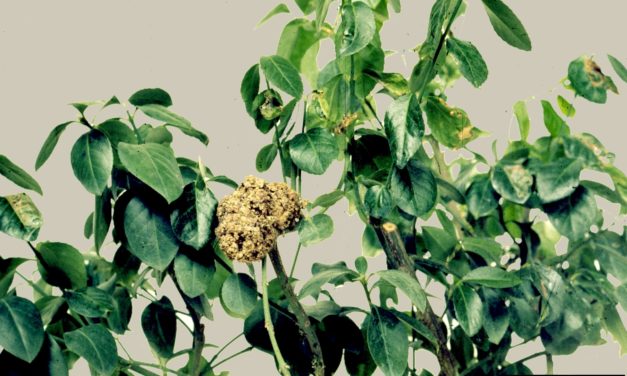
Learn how to identify, prevent, and manage the most common diseases and insect pests affecting euonymus in South Carolina, including powdery mildew, anthracnose, crown gall, and euonymus scale.
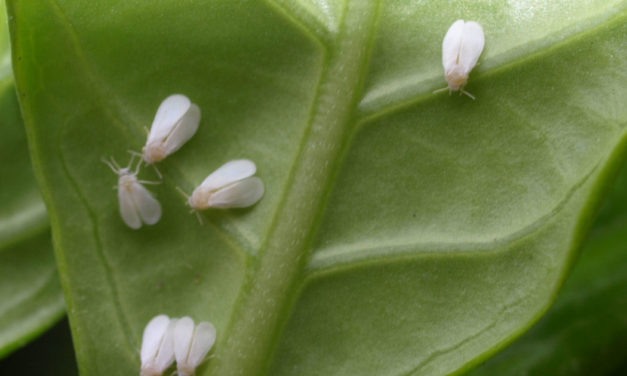
Learn to identify common insect pests and spider mites on gardenias, recognize the symptoms they cause, and manage infestations using integrated pest management (IPM) practices.
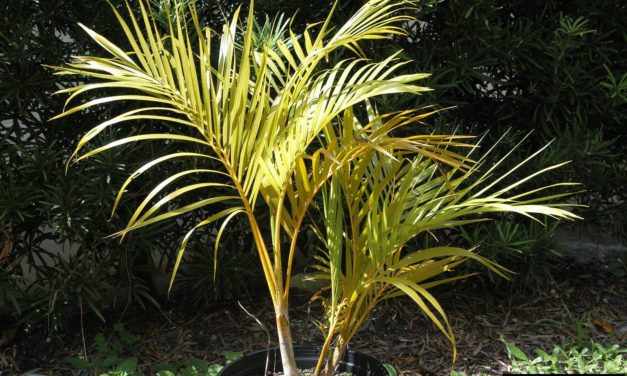
Identify common palm diseases and nutrient deficiencies and learn effective prevention and management practices for South Carolina landscapes.
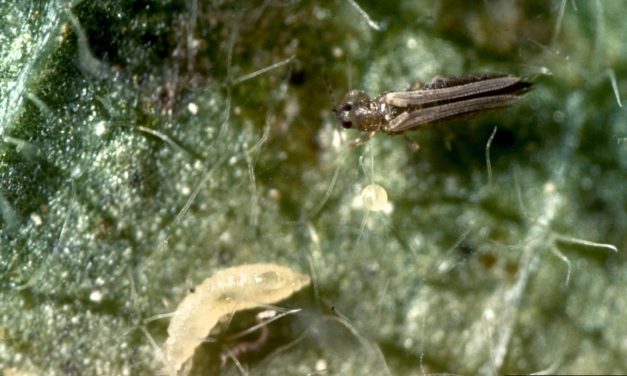
Learn how to identify and manage common viburnum diseases and insect pests in South Carolina using cultural and chemical controls.
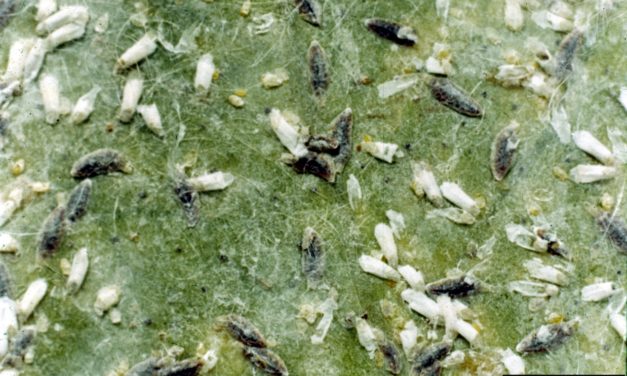
Learn how to identify and control armored scale insects on ornamental plants in South Carolina using cultural practices, horticultural oils, and systemic treatments.
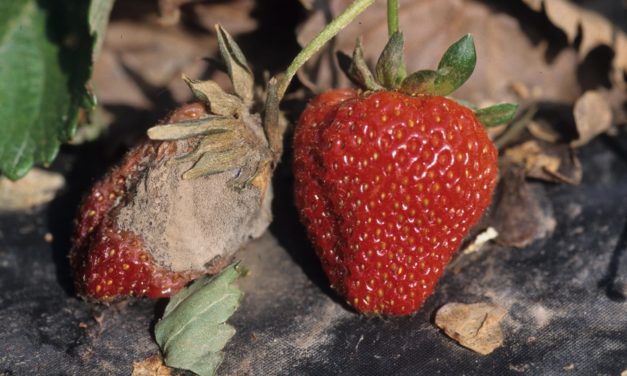
Gray mold (Botrytis blight) is a common fungal disease that affects many garden plants during cool, damp weather. Learn how to identify symptoms and prevent plant damage.

Boxwoods in South Carolina are vulnerable to fungal diseases, nematodes, and insect pests that cause decline, defoliation, and dieback. Learn how to identify symptoms and implement effective cultural and chemical management strategies.