What Folate Is & Why Folate Matters for Health
What Is Folate?
Folate is a water-soluble B vitamin that occurs naturally in food and is essential for health. Folic acid is the man-made form, which is found in vitamin supplements and is added to fortified foods.
On Nutrition Facts labels, folate is listed in “micrograms (µg) Dietary Folate Equivalents (DFE).” This is because research has found that folic acid is absorbed more easily than folate from foods. One microgram of DFE equals 1 µg of food folate or 0.6 µg of folic acid from fortified foods or supplements taken with meals.
How Folate Supports the Body
Folate needs to be consumed as part of a healthful diet. In general, folate is necessary for healthy blood and is very important in reducing the risk of having a baby with a serious birth defect.
Roles of Folate in the Body
Folate’s specific roles in the body include:
- is essential in making and maintaining new body cells.
- is needed to make DNA and RNA, the building blocks of cells.
- helps maintain healthy DNA and may lower cancer risk, but too much folic acid from supplements is not recommended.
- helps reduce the risk of delivering a baby with neural tube defects.
- combines with vitamin B12 to form hemoglobin in red blood cells.
- helps to prevent anemia.
- helps keep homocysteine levels normal, though this hasn’t been proven to prevent heart disease or stroke.
- supports brain and mood health.
- may help protect eye health, but evidence for preventing macular degeneration is limited.
Folate Food Sources & Fortified Foods
Eat a healthy diet that contains lots of fruits and vegetables and other foods that have folate (or folic acid) in them or added to them.
Naturally Folate-Rich Foods
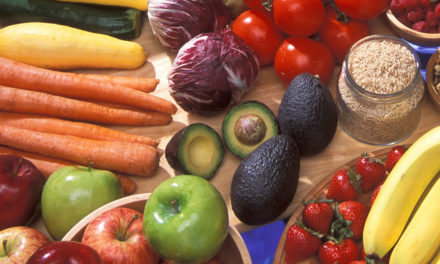
Foods that are natural sources of folate include: oranges and orange juice from concentrate; cooked dry beans and peas; deep green leaves like spinach and mustard greens; broccoli; asparagus; peanuts; almonds; and avocados.
Folic Acid-Fortified Foods
In 1998 the United States began a folic acid fortification program, requiring that folic acid be added to many common grain and cereal products:
enriched flours; breads; pastas; crackers; corn grits; cornmeal; rice; macaroni; some breakfast and ready-to-eat-cereals; and other grain products.
In 2016, the FDA expanded fortification to include corn masa flour, improving folate intake among Hispanic populations.
Fortified ready-to-eat cereals contain between 100 µg and 400 µg of folic acid per serving.
Look for “Folate (µg DFE)” on the Nutrition Facts label, which may also list “Folic acid (µg)” in parentheses.
How Much Folate You Need at Every Age
The recommended intakes for folate are now expressed as micrograms (µg) of Dietary Folate Equivalents (DFE).
People Who Could Become Pregnant
In addition to the folate found naturally in foods, individuals of childbearing age who could become pregnant should get 400 µg DFE (usually 400 µg folic acid) daily from fortified foods, vitamin supplements, or both.
- During pregnancy: 600 µg DFE
- During breastfeeding: 500 µg DFE
Easy ways to get this extra folic acid:
- Take a daily vitamin with 400 µg folic acid (“100%” next to folic acid on the label).
- Eat a daily serving of breakfast cereal that contains 100% of the Daily Value (DV) for folate.
Adults (Men and Women Past Childbearing Age)
The Recommended Dietary Allowance (RDA) for folate is 400 µg DFE per day from all sources, including fortified foods, vitamin supplements, and naturally occurring folate.
Children
In children and infants, folate helps with overall growth and development. The following age groups should consume these amounts of folate from food:
1–3 years: 150 µg DFE
4–8 years: 200 µg DFE|
9–13 years: 300 µg DFE
Infants
There is insufficient information on folate to establish a Recommended Dietary Allowance for infants. However, an adequate intake of folate for breastfed infants is 65 µg DFE for up to six months of age and 80 µg DFE per day for seven to twelve months.

A pregnant individual taking a daily prenatal supplement with water to support healthy folate intake.
Photo Credit: @Prostock-studio – stock.adobe.com
Folic Acid & Pregnancy: Why It’s Critical
How Folic Acid Prevents Birth Defects
About half of all pregnancies in the U.S. are not planned. For that reason, it is very important to get enough folic acid daily, even when pregnancy is not planned.
If there is enough folic acid in the body before pregnancy, it can help prevent major birth defects of the baby’s brain and spine.
The neural tube, which forms soon after conception, becomes the baby’s spinal cord, spine, brain, and skull. Therefore, folic acid is needed during the first few weeks of pregnancy, usually before pregnancy is recognized.
Nutrition experts advise any individual who could become pregnant to consume 400 µg folic acid daily from fortified foods, vitamin supplements, or both. This amount should be in addition to folate found naturally in foods. Unfortunately, most people still consume less than the recommended amount.
Impact of Adequate Folate Intake
Folate has been shown to help reduce:
- premature births
- low birth weight
- neural tube defects by 35-50%
Neural tube defects can result in both physical and mental disabilities.
- Spina bifida is a condition in which at least one vertebra does not develop, leaving part of the spinal cord exposed.
- Anencephaly is a fatal condition in which the upper end of the neural tube fails to close, and the brain is either totally absent or never completely developed.
Pregnancy & Breastfeeding Needs
Pregnant individuals should take an additional 600 µg of folic acid, and those who are breastfeeding should get an extra 500 µg from fortified foods, vitamin supplements, or both.
The safe upper limit of folate is 1,000 µg per day from supplements and fortified foods. However, anyone who has had a pregnancy affected by spina bifida or anencephaly and plans to become pregnant again should ask a doctor about a higher prescribed dose of folic acid.
Note: Some people have genetic variations (such as MTHFR polymorphisms) that affect folate metabolism, but current public health recommendations remain the same – 400 µg folic acid daily is effective and safe for nearly everyone.
Folate Deficiency: Who Is at Risk
Certain people may need extra folic acid to prevent a deficiency.
Medical Conditions That Increase Folate Needs
- pregnancy
- breastfeeding
- alcohol misuse
- anemia
- malabsorption
- kidney dialysis
- liver disease
Medications That Affect Folate Absorption or Metabolism
These medications can interfere with folate absorption:
- certain anti-convulsant
- metformin (for blood sugar control)
- sulfasalazine (for Crohn’s disease and ulcerative colitis)
- triamterene (a diuretic)
- methotrexate (used for cancer and rheumatoid arthritis)
- barbiturates (sedatives)
- valproic acid
- phenytoin
- some chemotherapy agents
How to Use Folic Acid Supplements Safely
There is no health risk associated with consuming folate found naturally in foods. Since it is a water-soluble vitamin, excess amounts of folate and folic acid are excreted in the urine.
Before taking a folic acid supplement, consider whether the diet already includes enough dietary folate and fortified foods.
Supplement Safety Guidelines
- Do not exceed 1,000 µg DFE (from folic acid) per day from vitamin supplements and fortified foods unless advised by a healthcare professional.
- Too much folic acid can mask symptoms of a vitamin B12 deficiency that can lead to nerve damage.
- Adults 50 years of age and older are at greater risk of having a vitamin B12 deficiency, they should have their vitamin B12 level checked by a doctor before taking a supplement that contains folic acid.
- Many multivitamins for older adults now include both folic acid and vitamin B12.
Consult a physician, registered dietitian, pharmacist, or other qualified health professional before taking dietary supplements and inquire about their potential interactions with medications.
Sources
- Centers for Disease Control and Prevention. “Improving Folic Acid Intake.” CDC, 20 May 2025
- Clarke, R., et al. “Effect of Folic Acid Supplementation on Cardiovascular Outcomes: A Systematic Review and Meta-Analysis.” Journal of Internal Medicine, vol. 276, no. 6, 2014, pp. 558–567. (via PubMed)
- U.S. Food & Drug Administration. “Folate and Folic Acid on the Nutrition and Supplement Facts Labels.” FDA, 2023.
- U.S. Food & Drug Administration. “Fortifying Corn Masa Flour Products with Folic Acid.” FDA, 2016.
- U.S. Food & Drug Administration. “Provides Guidance for Industry: Convert Units of Measure for Certain Nutrients on Nutrition and Supplement Facts Labels.” FDA, 15 Aug. 2019.
Originally published 09/05