Trapping is the most effective way to control moles in South Carolina lawns. Learn how to identify active tunnels and correctly set harpoon and scissor traps.
Quick Guide to Trapping Moles in South Carolina Lawns
- Identify whether damage is from moles or voles before trapping.
- Locate active tunnels before setting any trap.
- Use straight, permanent tunnels for the best trap placement.
- Harpoon and scissor traps are the most effective mole traps.
- Moist soil conditions improve trapping success.
- Expect trapping success within 2–3 days after setting traps.
How to Identify Mole Damage in Lawns
Moles live almost their entire lives underground and rarely come to the surface. They spend most of their time underground, digging tunnels, and burrows. As they tunnel, they leave behind disturbed areas of soil that signal their presence. (Fig 1)
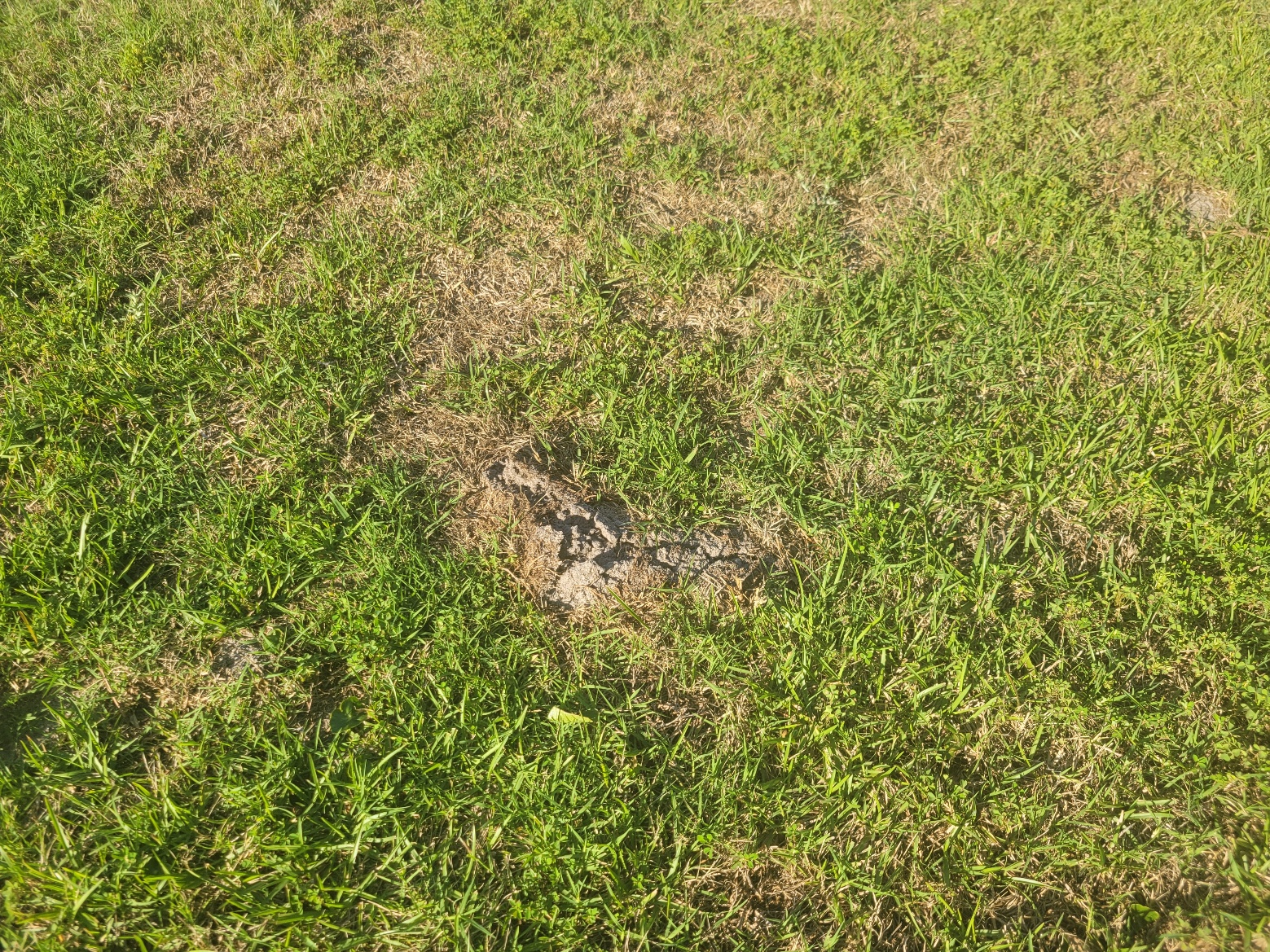
Fig. 1 Signs of moles include dirt pushed up from tunneling activity
Tancey Belken, ©2026, Clemson Extension
Mole Mounds and Permanent Tunnels
Mounds are the most visible signs of mole activity. They form when soil is displaced during the construction of deep, permanent tunnels and nesting areas.
The permanent runs that extend from a mound to the feeding grounds are often 6 inches or more below the surface and typically follow a straight line. The runs themselves are rarely visible from above without a mound nearby to signal their location.
Feeding Tunnels and Surface Damage
Feeding grounds show the most visible damage. The shallow tunnels create ridges of dirt from displaced soil that easily collapse, leading to tripping hazards.
Unlike the permanent straight runs, feeding tunnels are winding and meandering. They are also temporary or infrequently used, making them a less ideal location to set a trap.
Some will be confused about whether the damage in their yard is caused by a mole or a vole. To distinguish between mole and vole damage, see HGIC 2366, How to Tell the Difference Between Moles and Voles.
Trapping Moles Is the Most Effective Control Method
Trapping is the most effective way to reduce damage from moles.
Note that moles are mammals, and it is illegal to relocate them.
All available mole traps are considered lethal traps and are intended to euthanize the animal upon capture.
How to Locate an Active Mole Tunnel Before Trapping
Trap placement is the single most important factor in trapping success. A good trap is set in an actively used tunnel.
Steps to Confirm an Active Mole Tunnel
- Use a stick to punch a small hole through the top of the tunnel.
- Wait 24 hours.
- If the hole has been repaired and plugged, the tunnel is active and suitable for a trap.
- If the hole remains open, the tunnel is inactive — choose another location (Fig. 2).
Moles diligently maintain their active tunnels. The straight, permanent runs leading from mounds are the most likely to be used regularly.
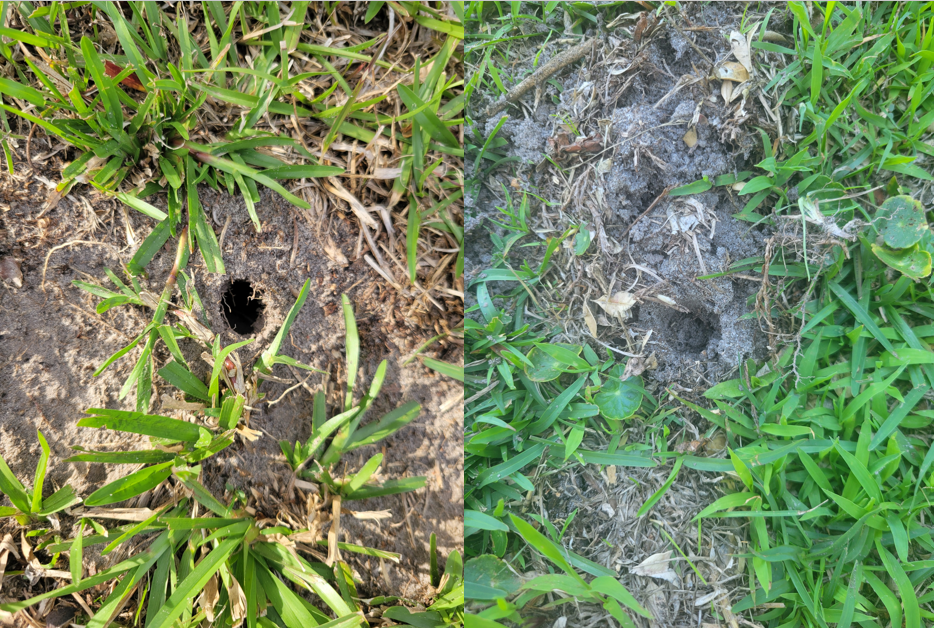
Fig. 2 An unrepaired hole (left) indicates an inactive tunnel while an active tunnel will be repaired within 24 hours (right).
Tancey Belken, ©2026, Clemson Extension
These tunnels are often deeper and harder to spot than the obvious feeding tunnels, but they make far better trap sites.
Best Mole Traps for South Carolina Lawns
Harpoon Mole Trap
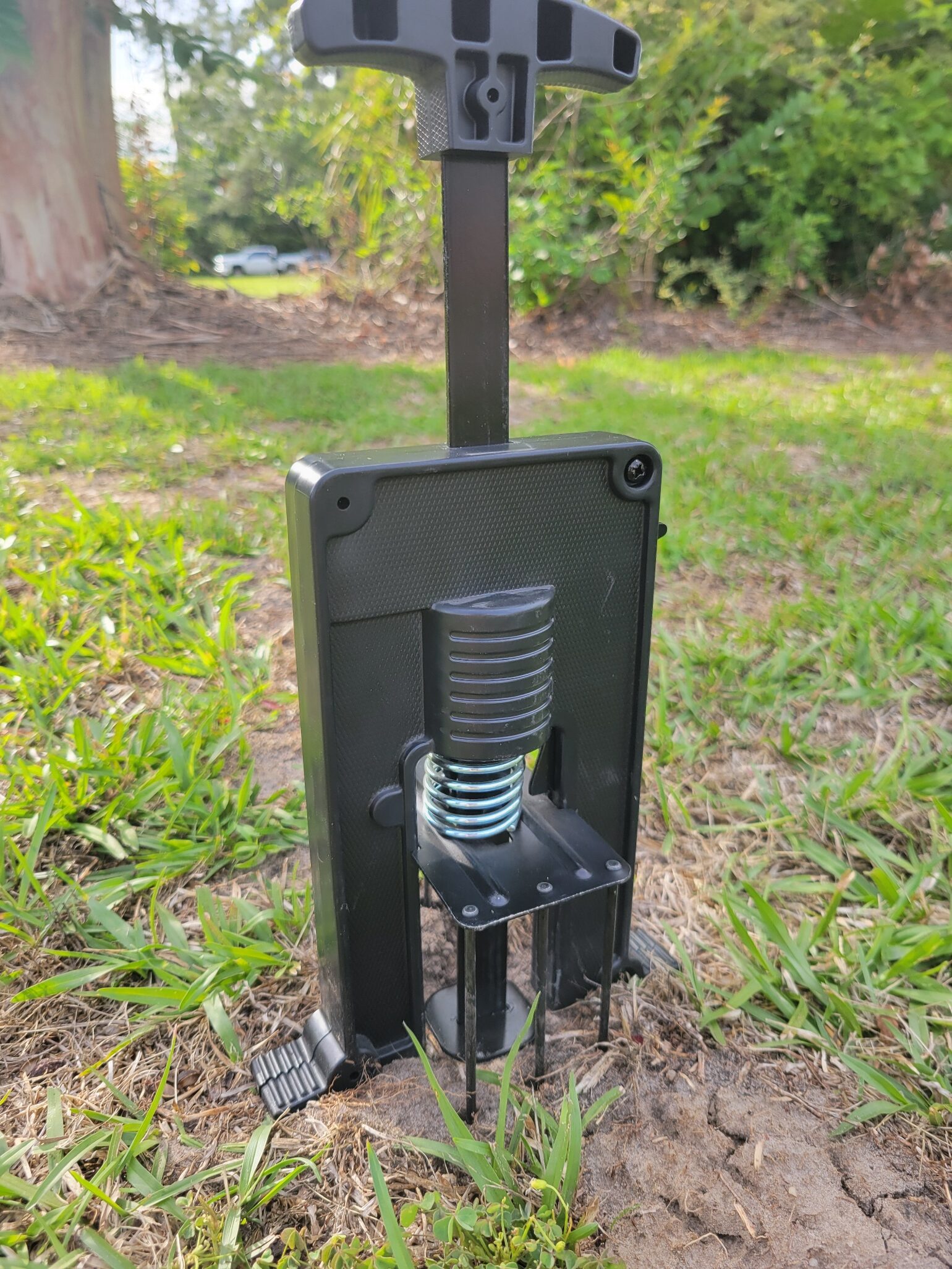
Fig. 3 Harpoon trap – spears drive downward through the tunnel when triggered.
Tancey Belken, ©2026, Clemson Extension
Scissor Mole Trap
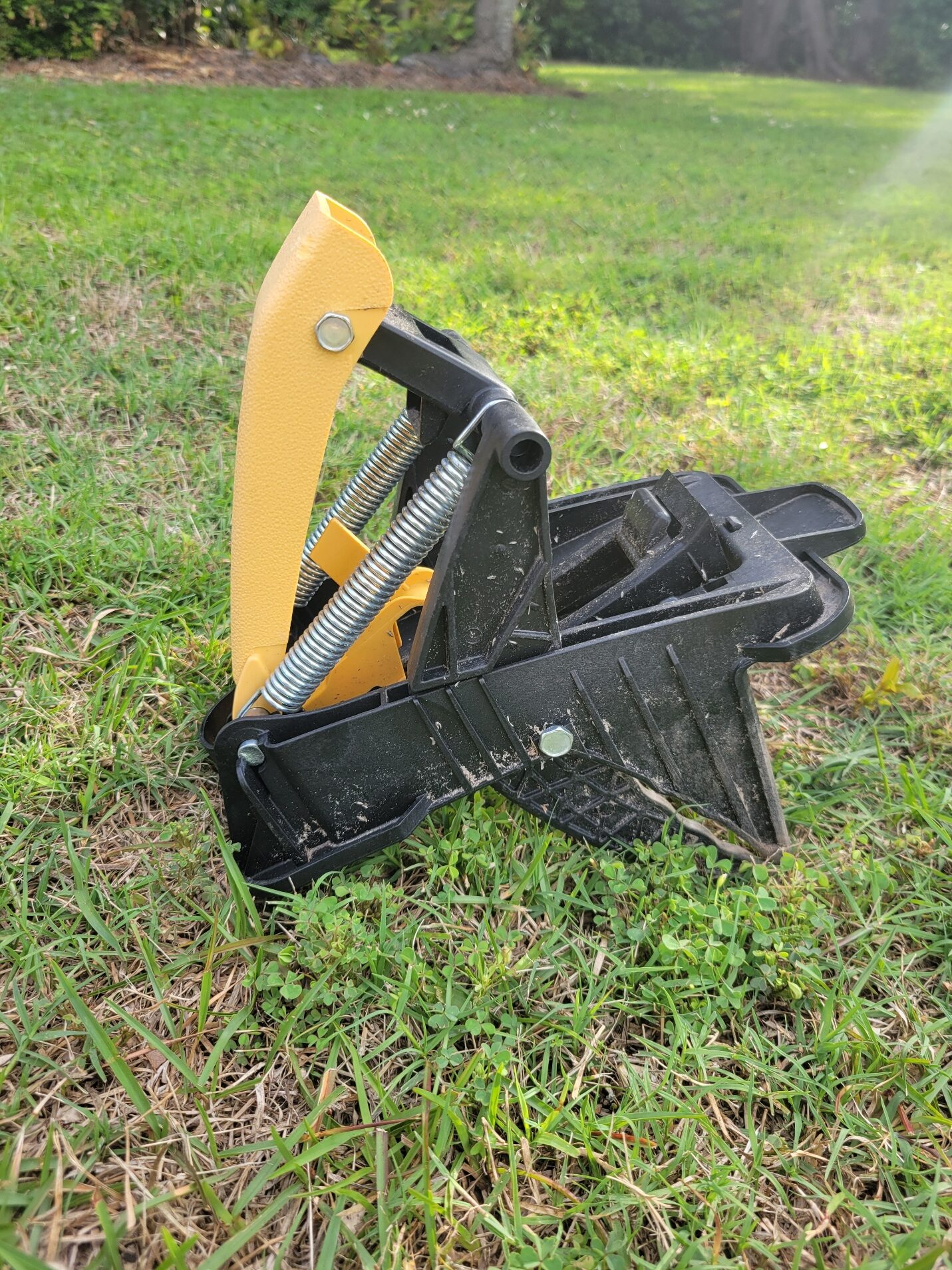
Fig. 4 Scissor trap – jaws close across the tunnel when triggered.
Tancey Belken, ©2026, Clemson Extension
How to Set a Harpoon Mole Trap
- Confirm the tunnel is active.
- Lightly press down on a small section of the tunnel with your hand or foot. Do not pack the soil firmly — too much compaction may cause the mole to dig around the blockage rather than repair it.
- Position the trap so the legs straddle the tunnel. Do not allow any part of the trap to block the passage.
- Pull up on the handle 2–3 times to confirm the spears move freely.
- Step on the anchors and pull the handle fully up to set the trap.
- Confirm the spear tips sit flush with the ground, with no gap where debris could collect and block the spears.
- Optional: place a 5-gallon bucket over the trap to shield it from children, pets, and light.
When triggered, the spears will no longer be visible above the soil. Check the set for a catch.
How to Set a Scissor Mole Trap
- Confirm the tunnel is active.
- Depress the tunnel surface with your hand or foot.
- Place the unset trap over the tunnel so the jaws will close across — not along — the tunnel when triggered.
- Step on the foot lever to open and close the jaws several times. This clears a path for the jaws to travel.
- Press the foot lever all the way down to set the trap. When properly set, the lever stays depressed without pressure.
- Confirm the trigger plate sits flush with the soil so debris cannot block it.
When triggered, the foot lever pops back up, and the jaws snap shut. Always confirm the trap has been triggered before removing it from the ground.
If the trap is hard to set, the soil could be too dry. Setting is easiest in moist soil in the morning or after a rain.
How to Set a Deeper Mole Trap for Better Results
Most modern traps are designed for surface-level tunnels. If a trap repeatedly triggers without a catch, or if the active tunnel is deeper than 1 inch, set the trap below ground (Fig. 5/6).
Steps for Setting a Deep Mole Trap
- Dig down to expose the tunnel.
- Clear residual soil from both sides.
- Place a small dirt barricade inside the tunnel to force the mole to repair the damage.
- Set the trap over the barricade.
- Gently replace the surrounding soil, taking care not to trigger the trap or block the trigger mechanism.
- Place a 5-gallon bucket over the site to block light and protect the set.
How to Evaluate and Reset Mole Traps
Expect 2-3 days to successfully have a catch once the trap is set. If the trap fails, the cause is usually one of three things:
- poor trap placement – the mole was not using that tunnel.
- A faulty set – debris blocked the trigger, or the trap was not fully armed
- Changed behavior – the mole shifted its routes.
What to Do if a Mole Trap Fails
Check whether the tunnel under the trap is still collapsed. If it has been repaired and the trap did not fire, reset following the steps above and confirm nothing is obstructing the trigger.
If the trap is functioning correctly but still fails after several attempts, relocate it to another active tunnel. If repeated shallow sets fail, switch to a deeper set.
Avoid disturbing additional sections of the tunnel system. Excessive damage may cause the mole to abandon the area entirely and dig new tunnels elsewhere.
More Information About Mole and Vole Control
For other tips on mole control, visit HGIC 2366, How to Tell the Difference Between Moles and Voles, or contact your local extension office to talk with an agent.