Spring officially begins Friday, March 20, 2026. While this is the case on the calendar, some parts of western South Carolina will have to wait until early
May for the threat of frost to pass.
After garden planning, but before planting, comes the garden prep stage.
To help with overwintering beneficial insect and pollinator populations, wait until daytime temperatures are consistently 50°F or higher before disturbing soil and dormant plant matter.
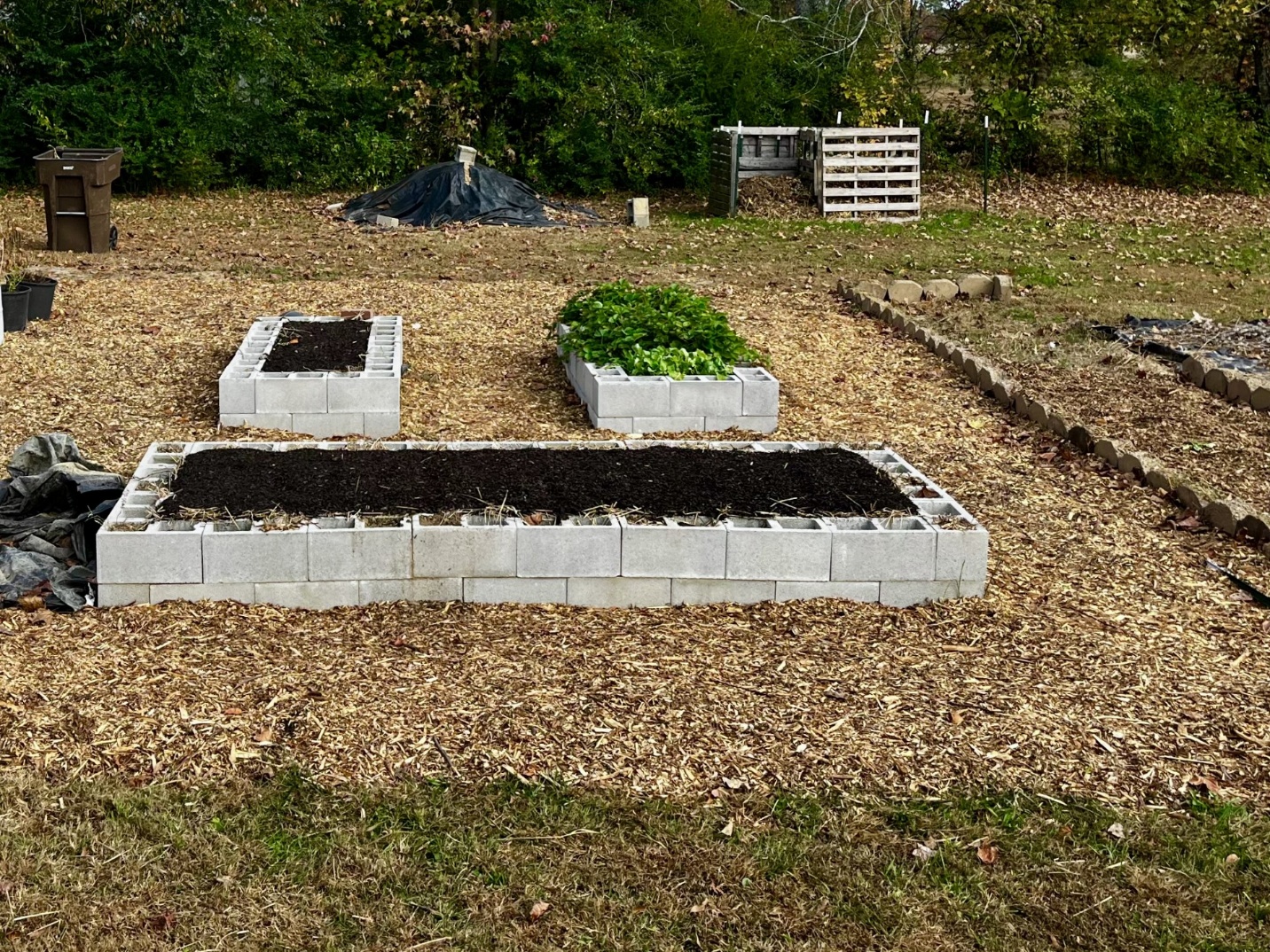
A garden space with freshly mulched paths and beds topped off with organic compost.
Julia Nichols, ©HGIC 2026, Clemson Extension
Why Spring Garden Preparation Improves Garden Success
Preparing garden beds before planting helps create a healthy growing environment for crops.
How to Prepare Garden Beds for Spring: 3 Step Process
Step 1: Clean Up Garden Beds
Cleaning up garden beds, or rows, is a great place to start.
Remove any debris from the growing space first: rocks, leaves, sticks, etc. Clearing the area helps remove any obstacles that can impede seed germination or plant growth.
Pull existing weeds by hand or using tools, and cut back dead plant material.
Old plant material can harbor overwintering pests and diseases that could potentially contaminate your garden.
Step 2: Loosen Garden Soil
If the soil in your garden is heavily compacted, a broad fork can help loosen it and create pore spaces, which helps to improve the soil’s water drainage and air movement. It also allows plant roots to move more easily through the soil.
Using a broadfork is ideal for minimal soil and organism disruption.
Step 3: Improve Garden Soil Health with Organic Matter
The best way to improve overall soil health is to add organic matter to the space.
Properly cured and finished composts, plant residues, and worm castings will all improve the percentage of organic matter in your soil.
Organic matter enhances:
- Soil structure
- Water retention and drainage
- Provides nutrients for microorganisms
- Replenishes micronutrients
Lay a 2- to 3-inch layer of organic matter over your existing soil or top off raised beds.
Additional Garden Prep Step: Mulching Garden Beds and Paths
Mulching a garden space is a helpful step if you have the time.
Mulching between garden rows or around raised beds can help suppress germinating weeds and keep the overall garden space moist and cool in the summer.
Adding 3 to 4 layers of flattened corrugated cardboard beneath the mulch provides extra weed-protection insurance.
Use hardwood mulch that does not contain any black walnut.
Black walnut trees contain an allelopathic compound, juglone, that inhibits seed germination and plant growth.
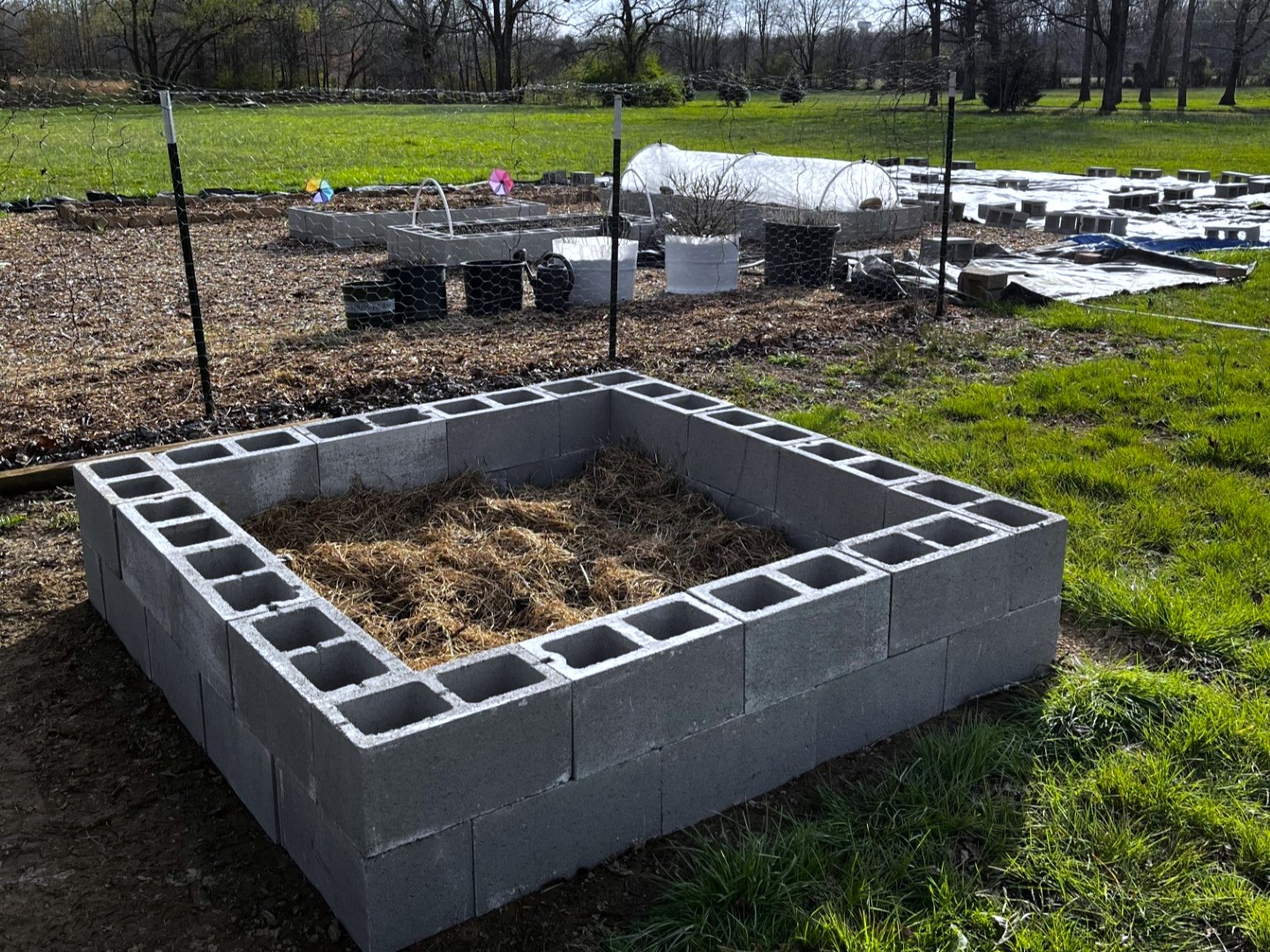
Raised garden beds are being filled for spring, and garden paths are freshly mulched.
Julia Nichols, ©HGIC 2026, Clemson Extension
Container Gardening Preparation for Spring
When growing plants in containers, even their soil should be refreshed every 1 to 2 years to replenish nutrients within the pot.
Remove the top 2 to 3 inches of old soil from the pot.
Add the discarded potting soil to your compost pile!
Replace with fresh potting mix, worm castings, or organic compost.
Perlite can be added to ensure proper drainage. Some plants prefer more drainage than others.
If you’re continually growing tomatoes, eggplants, or potatoes in containers, replace the soil each growing season to reduce pest and disease pressure.