What Is Pine Pollen Season in the South?
Have you seen the meme about all of the ‘seasons’ packed into winter in the south? It goes something like winter, fool’s spring, second winter, spring of deception, third winter, the pollening, actual spring, and so on.
And while winter officially ends on March 20th, it is too early to predict if we are through with freezing temperatures here in the Piedmont.
One thing is for sure; the pollening (not a real word) is upon us.

Male cones on loblolly pines will produce pollen.
Karen Russ, ©2006 HGIC, Clemson Extension
Why Pine Pollen Covers Cars, Patios, and Outdoor Surfaces
The majority of the yellow-green coating found on our vehicles, mailboxes, outdoor furniture, walkways, and almost everywhere, from late March through April, comes from pine trees.
Don’t automatically blame the pine pollen for your seasonal allergies, though. Trees like birch, oak, elm, and juniper are some of the usual culprits behind spring allergies.
Why Pine Trees Produce So Much Pollen
Pine trees produce copious amounts of pollen because they rely on the wind to deliver the pollen to the female cones. Since acquiring the target is largely left up to chance, the odds of success improve by employing sheer volume.
How Pine Pollen Travels Through the Air
Pine pollen can go the distance.
The pine pollen grain has two special air-filled bladders that help it achieve flight. Peeking at the grains through the microscope, they look a bit like tiny Mickey Mouse heads, with the two rounded bladders positioned like ears on the pollen grain.
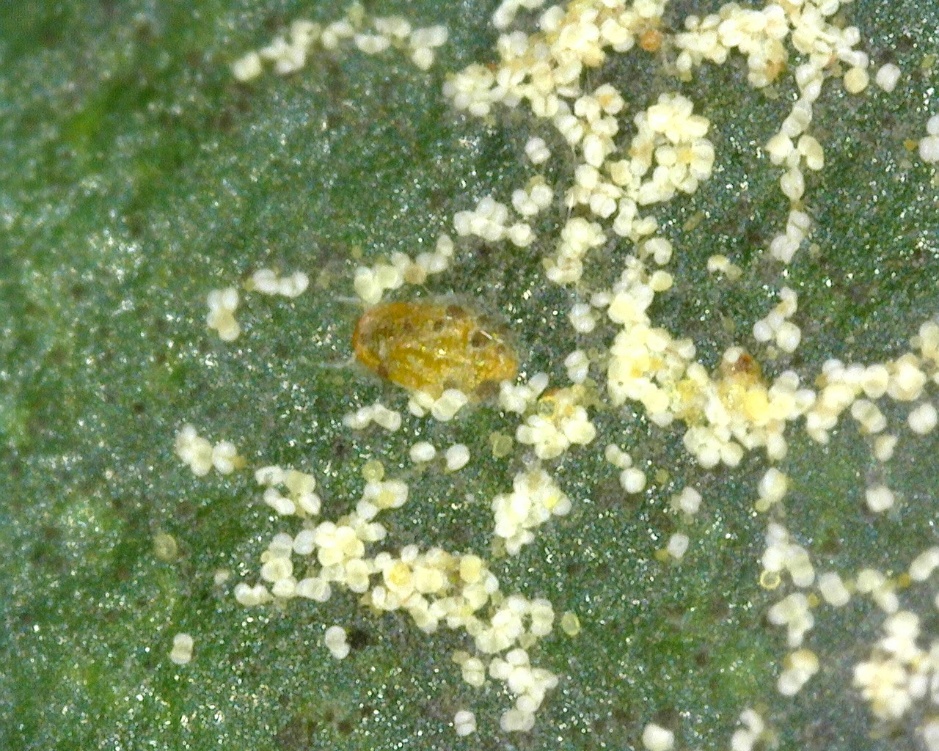
Under magnification the air-filled bladders (called sacci) on pine pollen are visible. Each grain measures less than 100 micrometers in diameter.
Stephanie Turner, ©2026 HGIC, Clemson Extension
How Pine Trees Reproduce and Disperse Seeds
For all their reproductive efforts, pines can create numerous seeds.
A mature loblolly pine, for instance, can produce over 10,000 seeds a year. Pine seeds, like their pollen, are also wind-dispersed.
Emerging from the female cone with a singular wing, a pine seed can travel up to 300 feet away from its origin.
Why Pine Seeds Are Important for Wildlife
The seeds are an essential food source for wildlife, satisfying the hunger of critters like squirrels and many songbirds.
Some seeds that escape predation will land on sites that are not ideal for germination and establishment. It is estimated that only 20% of the seeds will successfully make it to the seedling stage.
Learn More About Pine Trees in South Carolina
For more information, see HGIC 1020, Pine.