Williamsburg was founded as the capital of the Virginia Colony in 1699. Restoration began in the early 1930’s with funds provided by John D. Rockefeller, Jr.
-

Govenor's Palace
Barbara H. Smith, ©2019 HGIC, Clemson Extension -

Drainage Channel Through a Wall at the Govenor's Palace
Barbara H. Smith, ©2019 HGIC, Clemson Extension -

The Govenor's Palace maze was designed by landscape architect, Arthur A. Shurcliff. Hired by the Colonial Williamsburg Foundation in the early 1930's, he explained that a maze of this type probably existed in the Colonial era.
Barbara H. Smith, ©2019 HGIC, Clemson Extension -

Formal gardens at the Govenor's Palace
Barbara H. Smith, ©2019 HGIC, Clemson Extension -

Pleached arbors of American beech (Fagus grandifolia) are located in the Govenor's Palace gardens. Pleaching is a complex technique of interweaving living branches to form the American beech allee seen here.
Barbara H. Smith, ©2019 HGIC, Clemson Extension -

Pleached arbors of American beech (Fagus grandifolia) are located in the Govenor's Palace gardens.
Barbara H. Smith, ©2019 HGIC, Clemson Extension -

Urn at the Govenor's Palace
Barbara H. Smith, ©2019 HGIC, Clemson Extension -

Pea trellises at the Govenor's Palace vegetable garden
Barbara H. Smith, ©2019 HGIC, Clemson Extension -
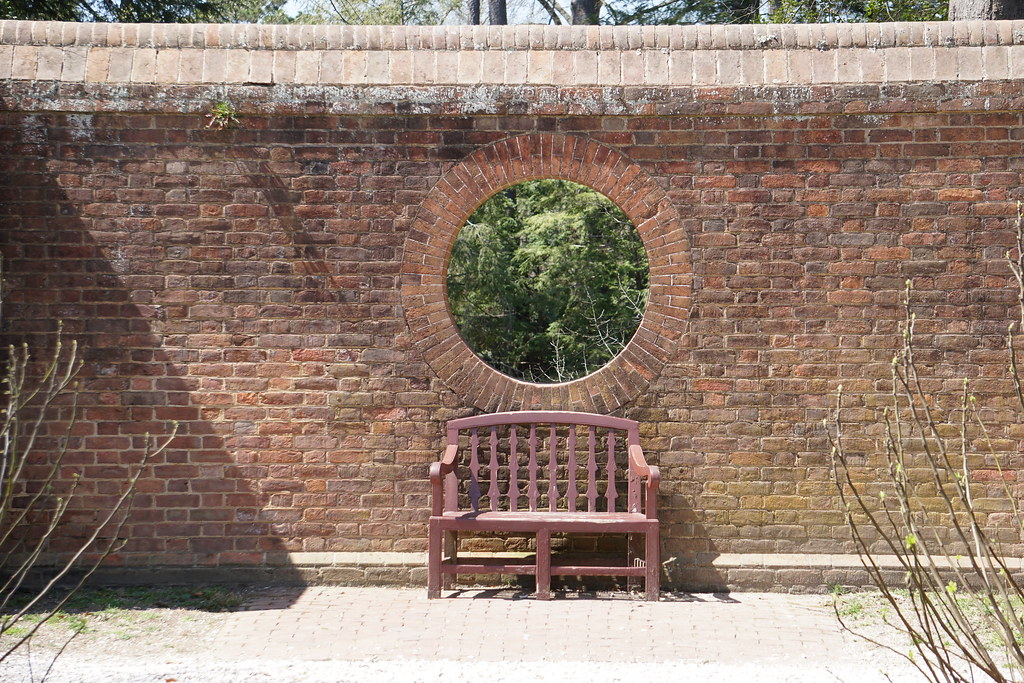
Wall in the Govenor's Palace fruit garden
Barbara H. Smith, ©2019 HGIC, Clemson Extension -

Espaliered peach trees in the Govenor's Palace fruit garden.
Barbara H. Smith, ©2019 HGIC, Clemson Extension -

Grape vines in the Govenor's Palace fruit garden
Barbara H. Smith, ©2019 HGIC, Clemson Extension -

Wind Flower (Anemone coronaria)
Barbara H. Smith, ©2019 HGIC, Clemson Extension -

The Wythe House on the Palace Green was owned by George Wythe. He was a leader in the patriot movement in Virginia and was Virginia's first signer of the Declaration of Independence.
Barbara H. Smith, ©2019 HGIC, Clemson Extension -

Tulips and Violas
Barbara H. Smith, ©2019 HGIC, Clemson Extension -

This century old crape myrtle is in the Taliaferro-Cole House garden.
Barbara H. Smith, ©2019 HGIC, Clemson Extension -

Tulip plantings in the Taliaferro-Cole House garden.
Barbara H. Smith, ©2019 HGIC, Clemson Extension -
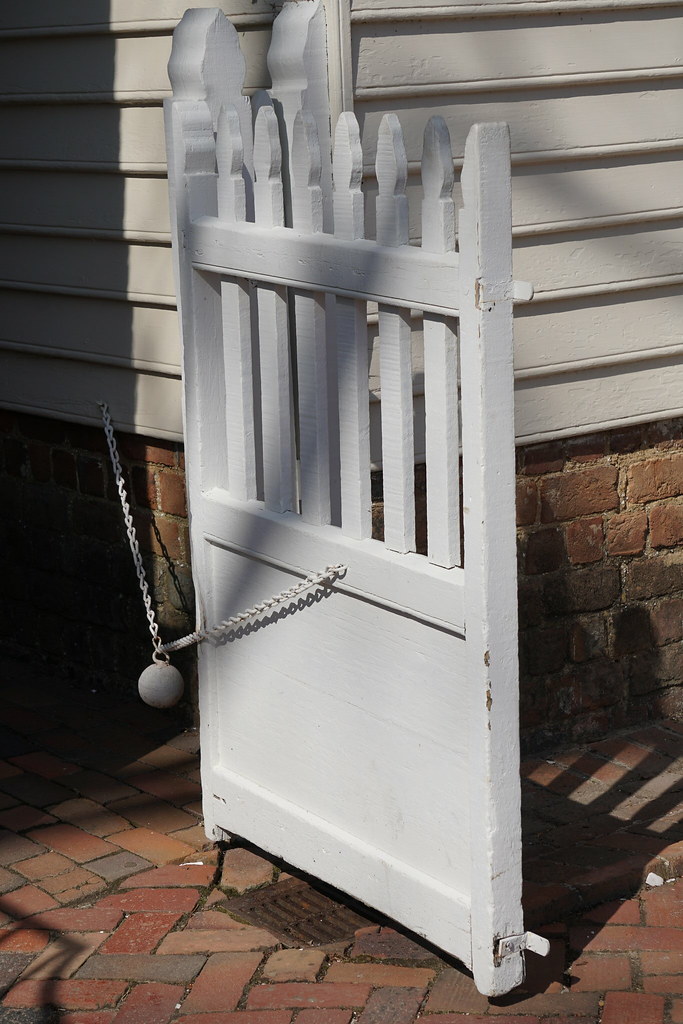
The cannonball gate closer was a simple, effective way to keep a gate closed and was used during Colonial times.
Barbara H. Smith, ©2019 HGIC, Clemson Extension -

Wrought Iron Fence
Barbara H. Smith, ©2019 HGIC, Clemson Extension -

Split Rail Livestock Fence
Barbara H. Smith, ©2019 HGIC, Clemson Extension -
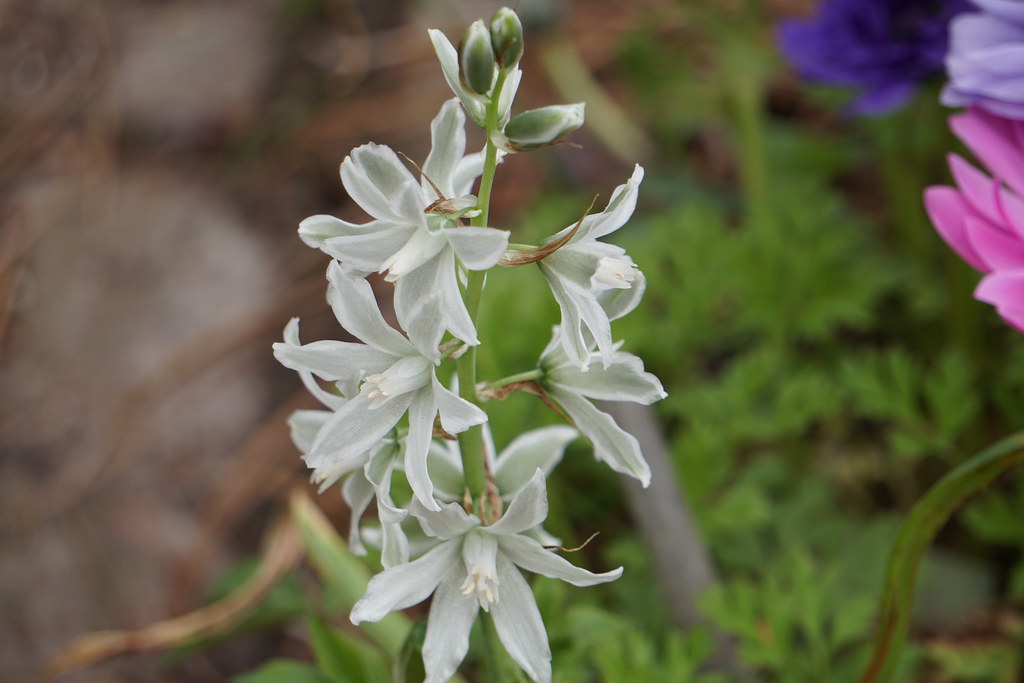
Silver Bells (Orinthogalum nutans)
Barbara H. Smith, ©2019 HGIC, Clemson Extension -

Seating Area in the Colonial Vegetable Garden
Barbara H. Smith, ©2019 HGIC, Clemson Extension -

Glass cloches were used in Colonial times to protect delicate vegetable plants from the cold.
Barbara H. Smith, ©2019 HGIC, Clemson Extension -

Pawpaw flower (Asimina triloba)
Barbara H. Smith, ©2019 HGIC, Clemson Extension -

Colonial Vegetable Garden
Barbara H. Smith, ©2019 HGIC, Clemson Extension -

Cold Frames for Vegetables
Barbara H. Smith, ©2019 HGIC, Clemson Extension -

Colonial vegetable garden
Barbara H. Smith, ©2019 HGIC, Clemson Extension -

Seasonal Spring Color
Barbara H. Smith, ©2019 HGIC, Clemson Extension -
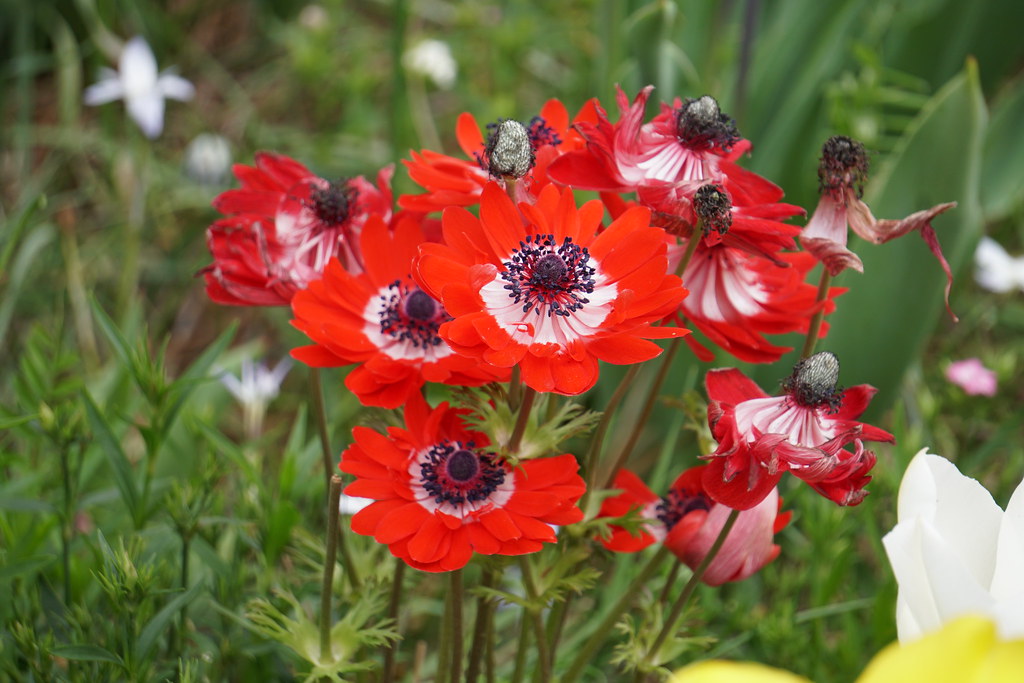
Hollandia Wind Flower (Anemone coronaria 'Hollandia')
-
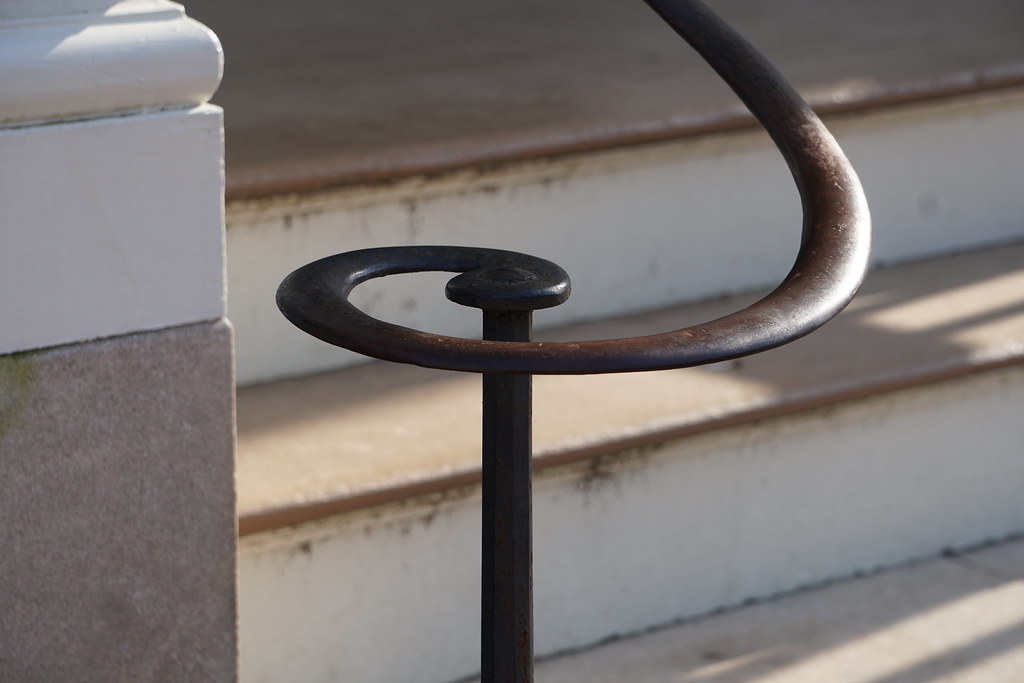
Handrail on a Colonial home
Barbara H. Smith, ©2019 HGIC, Clemson Extension -

Gardens at the Govenor's Palace
Barbara H. Smith, ©2019 HGIC, Clemson Extension -

Formal Colonial Garden
-
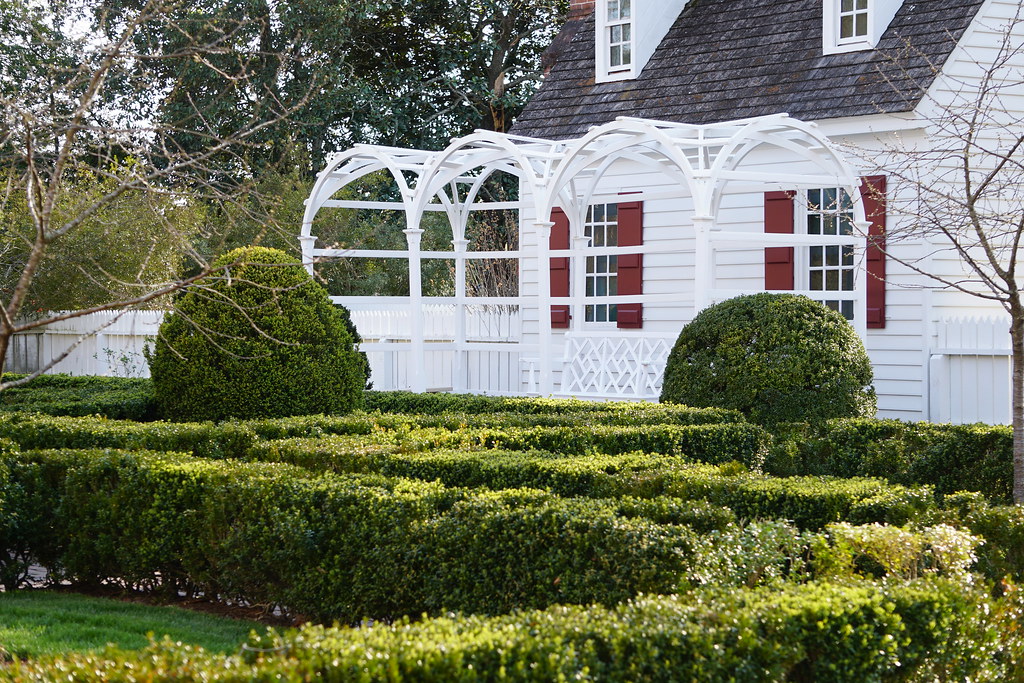
Formal Colonial Garden
Barbara H. Smith, ©2019 HGIC, Clemson Extension -

Colonial Williamsburg walkway
Barbara H. Smith, ©2019 HGIC, Clemson Extension -
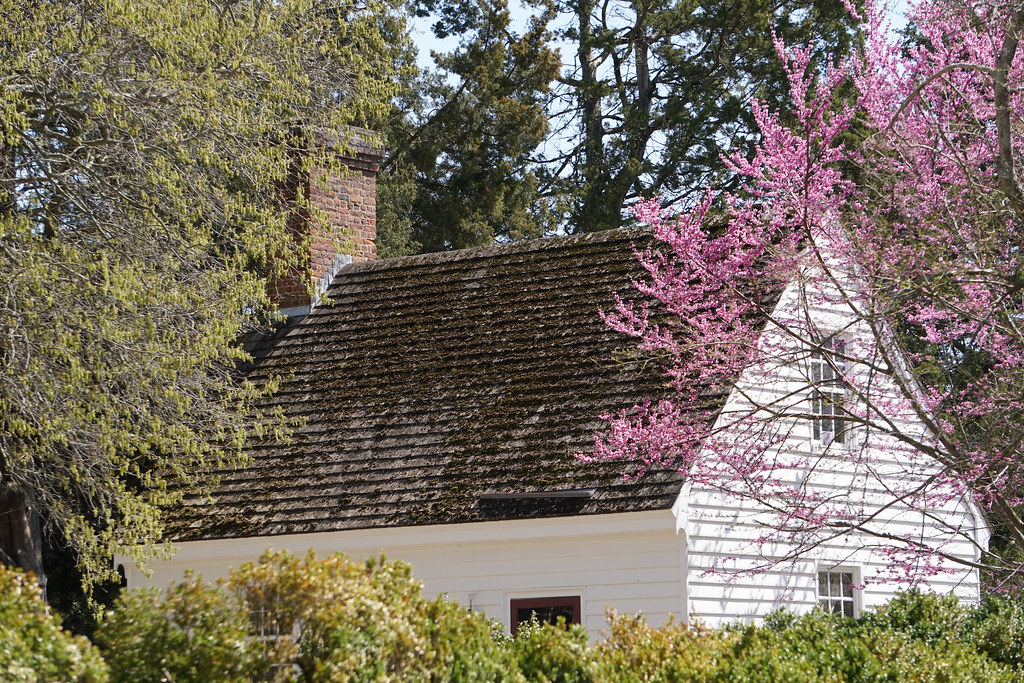
Colonial Williamsburg Spring
Barbara H. Smith, ©2019 HGIC, Clemson Extension -

Colonial Williamsburg gate
Barbara H. Smith, ©2019 HGIC, Clemson Extension -

Colonial vegetable garden laid out in a formal style.
Barbara H. Smith, ©2019 HGIC, Clemson Extension -
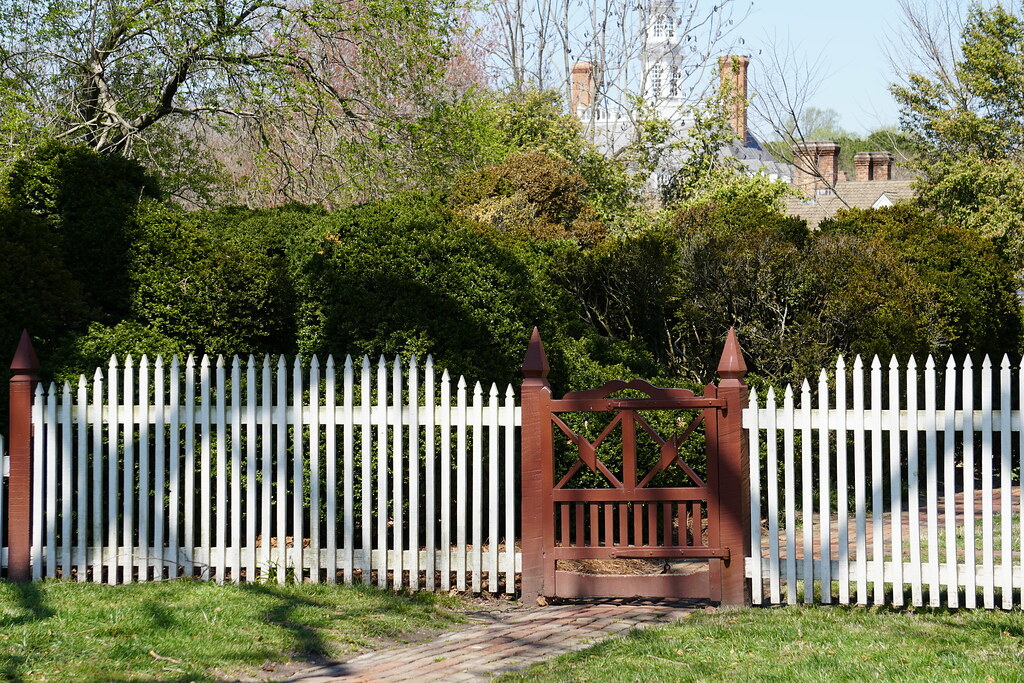
Colonial Gate to a Boxwood Garden
Barbara H. Smith, ©2019 HGIC, Clemson Extension -

Colonial boot scrape
Barbara H. Smith, ©2019 HGIC, Clemson Extension -

Boxwood Hedges
Barbara H. Smith, ©2019 HGIC, Clemson Extension