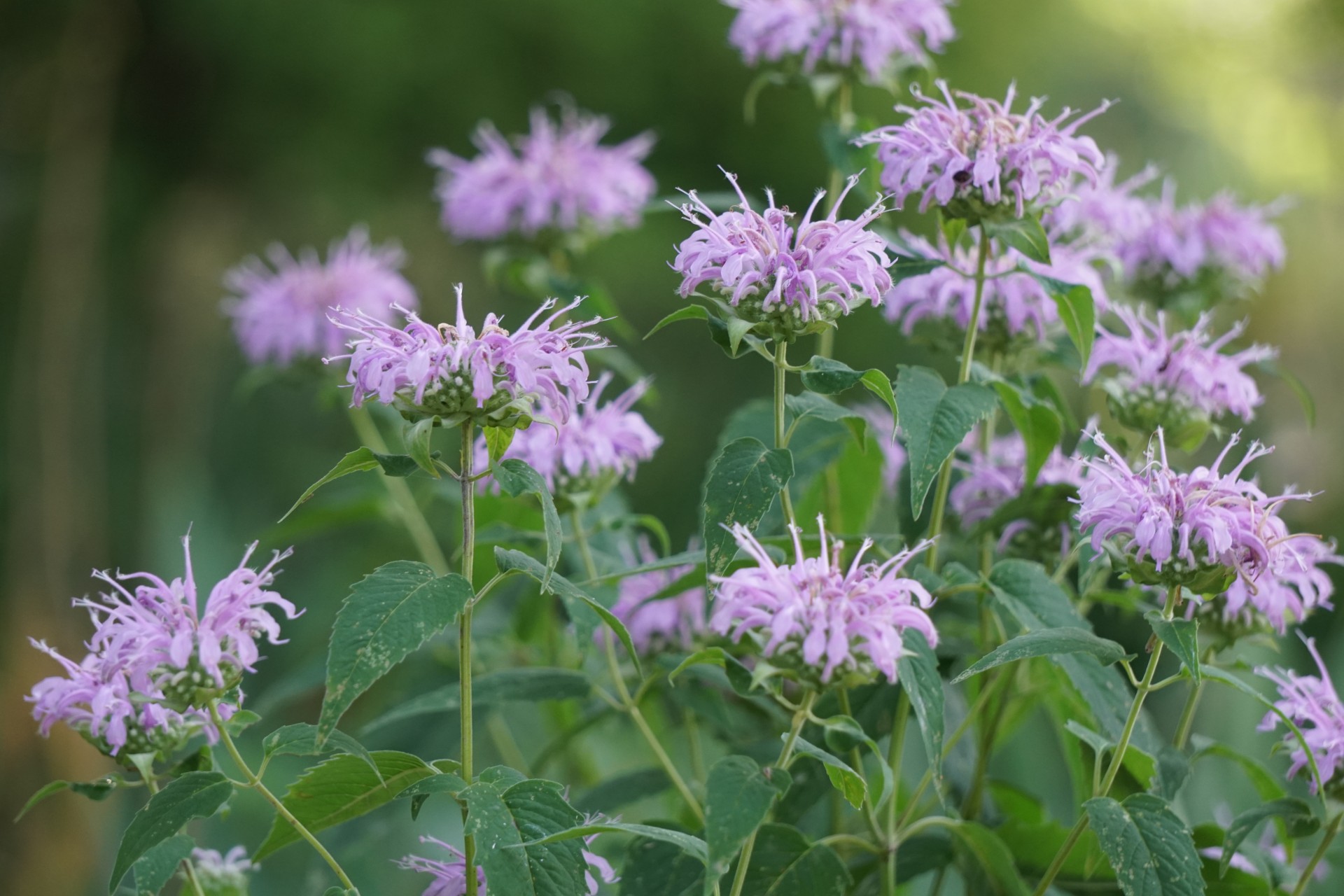
A clump of wild bergamot (Monarda fistulosa).
Barbara H. Smith, ©2025, Clemson Extension
Wild Bergamot in Bloom
As flowers come into bloom this summer, keep an eye out for one of our native bee balms (Monarda fistulosa). This perennial plant has lovely light purple or white flowers that resemble tiny fireworks when fully bloomed. The leaves are oblong and fragrant, and can be used in cooking and to make teas; This is where it gets its other common name, wild bergamot. The minty, citrusy leaves make the plant deer and rabbit resistant, which is always a plus in the South.
Benefits for Pollinators and Gardeners
Bee balm is a fantastic pollinator plant, attracting hummingbirds, bees, butterflies, and a host of other insects.
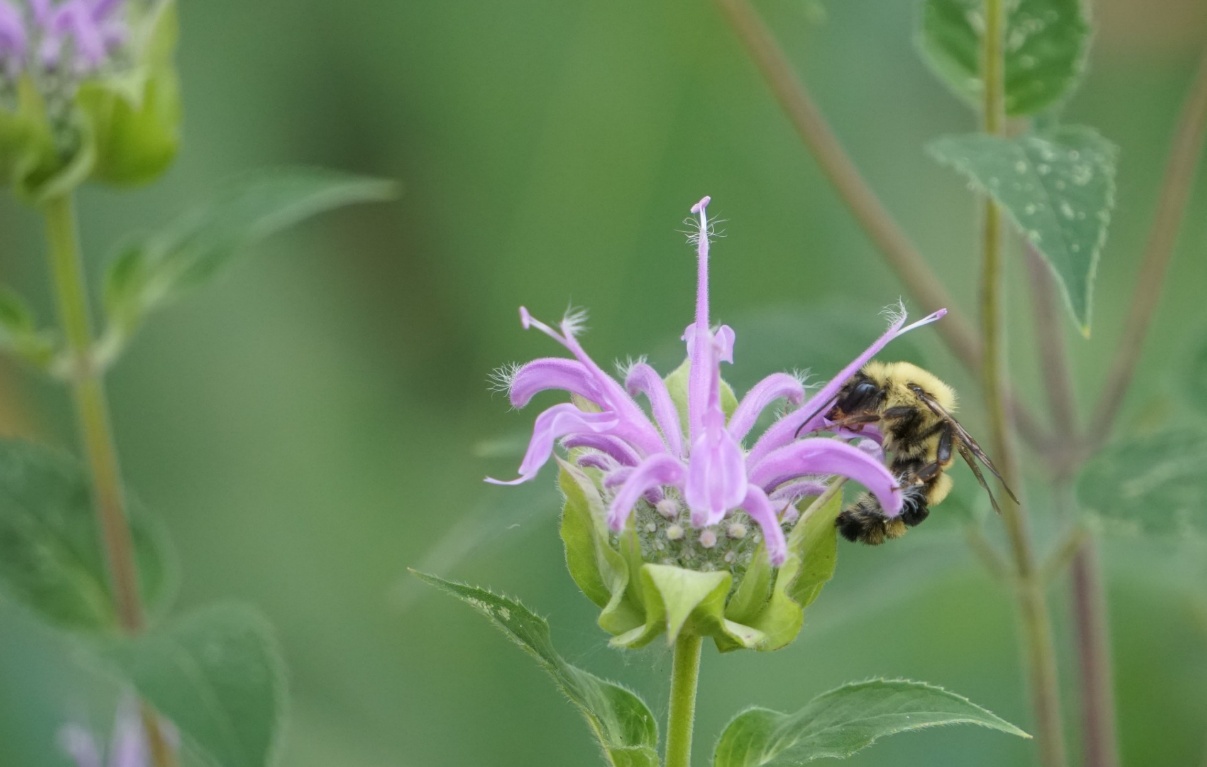
A bumblebee pollinating a wild bergamot flower.
Barbara H. Smith, ©2025, Clemson Extension
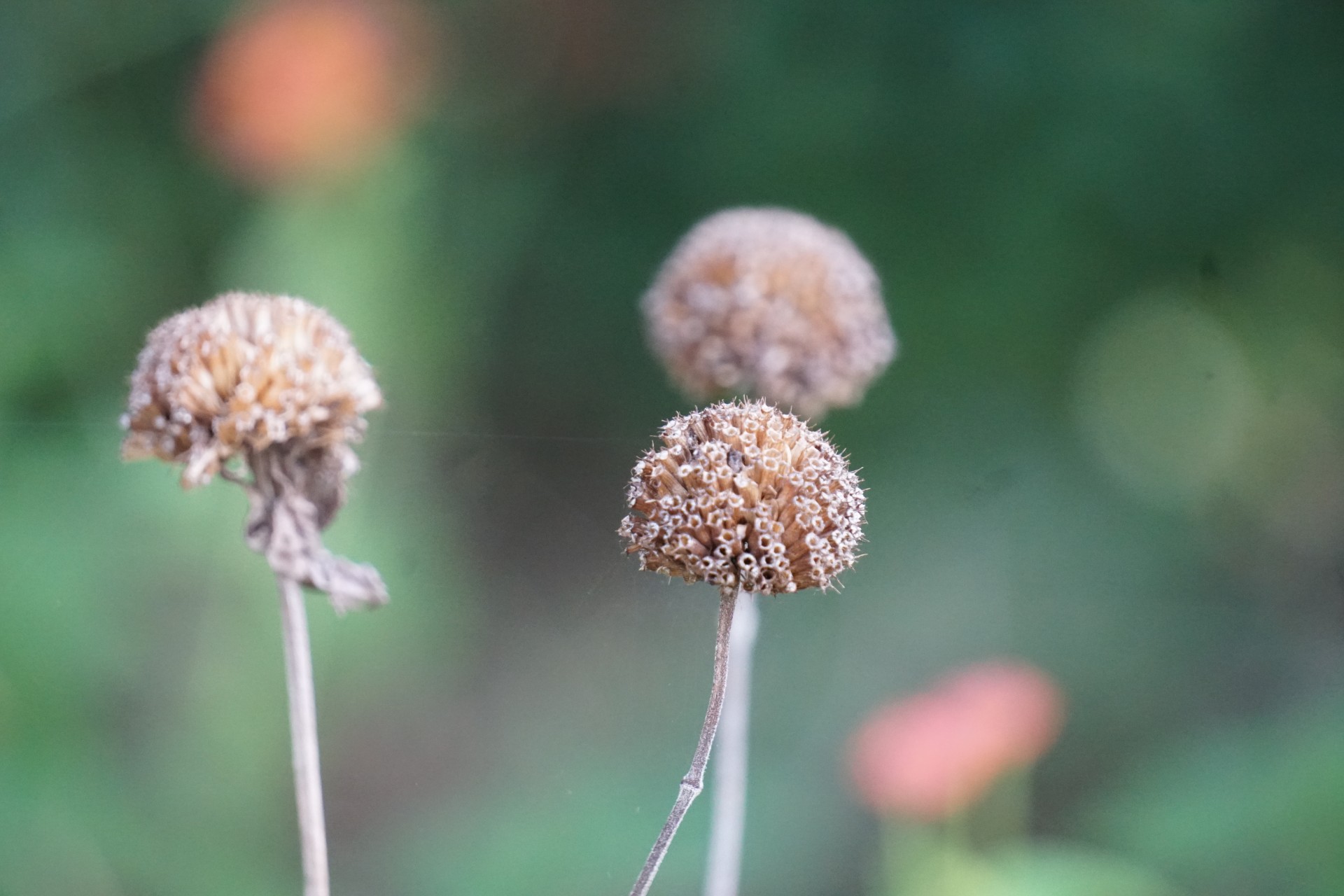
Leaving seed heads on plants provides food for wildlife and supports biodiversity in your garden.
Barbara H. Smith, ©2025, Clemson Extension
Different Types of Native Bee Balm
Wild bergamot (M. fistulosa) is probably the easiest bee balm to spot both in the landscape and in the wild, but there are many different types of native bee balm. These include M. didyma, M. media, M. citriodora, and M. punctata. For more information, see HGIC blog In the Balm of Your Hand.
This bee balm grows to about 4’ tall and has a clumping growth habit. It is in the mint family and spreads easily, but not as rapidly as M. didyma, making it a good choice if we want the benefits of bee balm without as much maintenance.
Bee balm is one of my personal favorite perennial plants, so I hope you will consider adding some to your landscape!