What is Floriography (The Language of Flowers)?
Floriography (the language of flowers) was introduced to European culture in 1718 by a poet, Lady Mary Wortley Montagu. The practice of floral messaging originated in the ancient art and symbolism of China and the Middle Eastern countries.
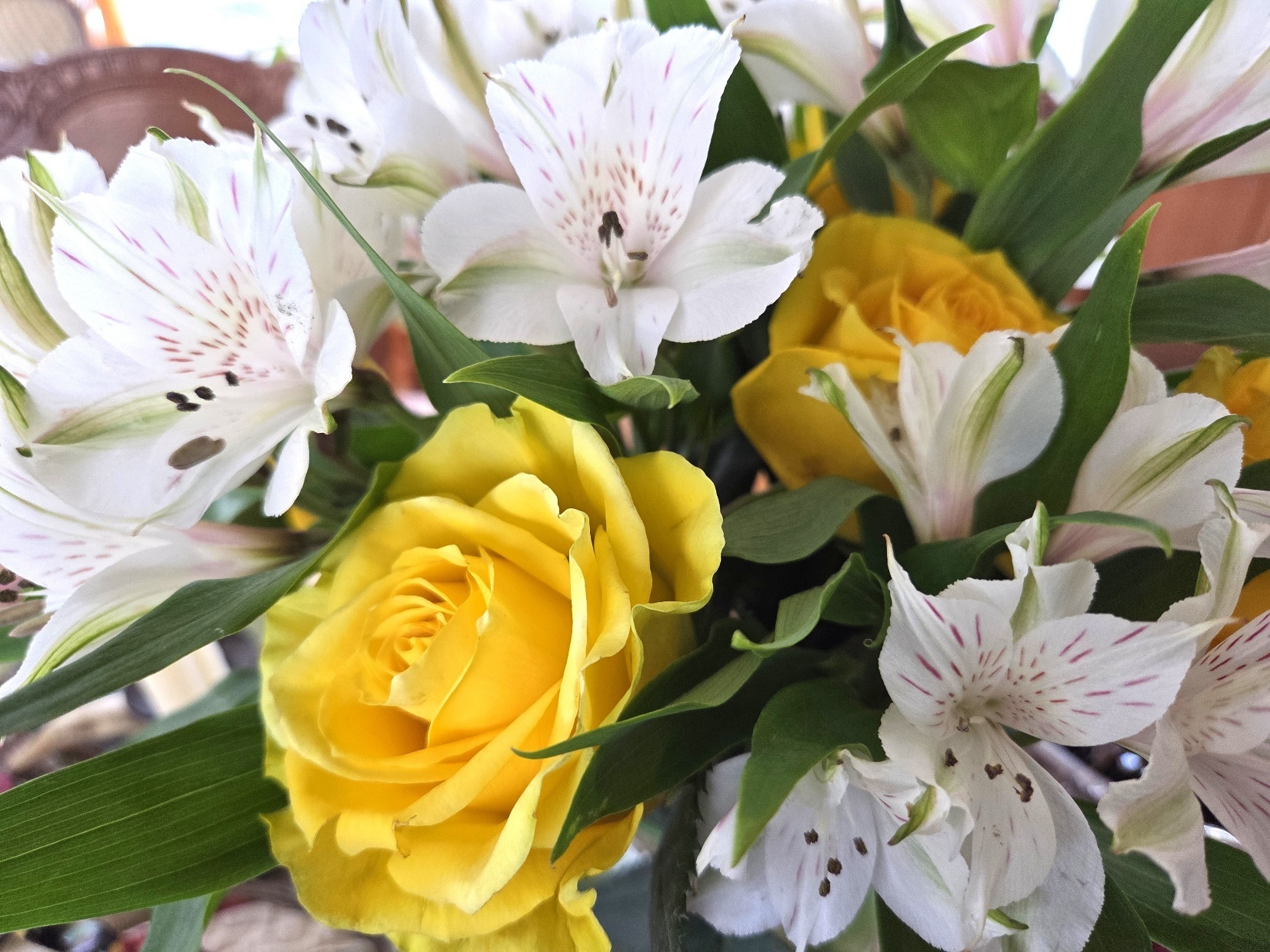
In floriography, a bouquet of yellow roses (Rosa sp.) and Peruvian lilies (Alstroemeria) means friendship, mutual support, joy, and devotion.
Barbara H. Smith, ©2026 HGIC, Clemson Extension
Floriography in the Victorian Household
In Europe and the US, every proper Victorian household in the 19th century had a book of floriography. When an admirer sent a bouquet, the book was immediately consulted to interpret the meaning of each flower.
Sending specific flowers in a bouquet can communicate hidden meanings through coded messages that mean love, desire, disapproval, or other emotions.
Victorian society had extremely strict etiquette rules that prevented any outward discussion of love, rejection, or hidden yearnings, so they let flowers convey what could not be said out loud.
History of Sending Flowers for Valentine’s Day
Sending flowers to someone on Valentine’s Day dates back centuries, including Greek, Roman, and medieval times. Red roses, for example, were a symbol of Aphrodite, the Greek goddess of love and beauty.
The Meaning of Popular Valentine’s Day Flowers
When selecting flowers to give to your beloved on Valentine’s Day, consider the age-old practice of floriography and the symbolism of each floral offering. Roses remain the most popular to give on Valentine’s Day.
Each flower below has a traditional symbolic meaning in floriography.
What Roses (Rosa sp.) Mean for Valentine’s Day
What Roses Symbolize
- Love
- Beauty
- Passion
Rose Color Meanings
- Red for love and passion
- Pink for grace, admiration, and gratitude
- White for innocence, purity, and reverence
- Yellow for friendship, gladness, and joy

Red roses (Rosa sp.) are universal symbols for love and passion.
Barbara H. Smith, ©2026 HGIC, Clemson Extension

Pink roses symbolize affection, grace, and gratitude, while white roses are for purity, innocence, and reverence. Yellow roses stand for friendship, joy, and gladness.
Barbara H. Smith, ©2026 HGIC, Clemson Extension
What Camellias Mean for Valentine’s Day
What Camellias Symbolize
- Deep affection

Camellias (Camellia sp.) represent deep affection.
Barbara H. Smith, ©2026 HGIC, Clemson Extension
What Carnations Mean for Valentine’s Day
What Carnations Symbolize
- Love
- Devotion
- Fascination
Carnation Color Meanings
- Pink for mother’s undying love and gratitude
- Red for deep love and affection
- White for good luck and faithfulness
- Purple for unpredictable, whimsical charm, or adventurous

Purple carnations (Dianthus sp.) represent unpredictability, whimsical charm, and an adventurous spirit.
Barbara H. Smith, ©2024 HGIC, Clemson Extension
What Daffodils Mean for Valentine’s Day (Narcissus sp.)
What Daffodils (Narcissus sp.) Symbolize
- New beginnings
- Good fortune
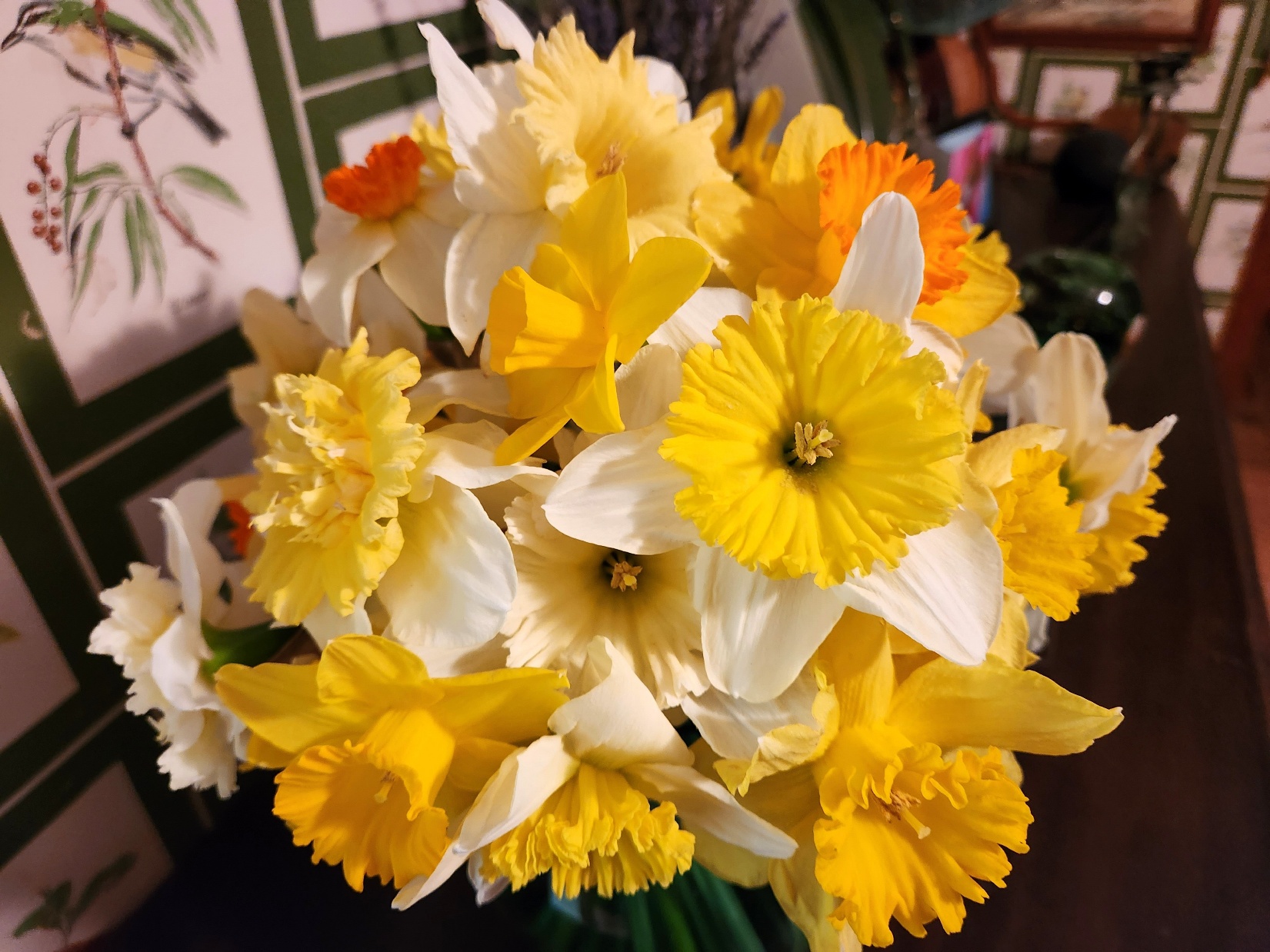
Daffodils (Narcissus sp.) are a sign of spring, new beginnings, and good fortune.
Barbara H. Smith, ©2025 HGIC, Clemson Extension
What Daisies Mean for Valentine’s Day (Leucanthemum sp.)
What Daisies Symbolize
- Innocence
- Purity
- True friendship
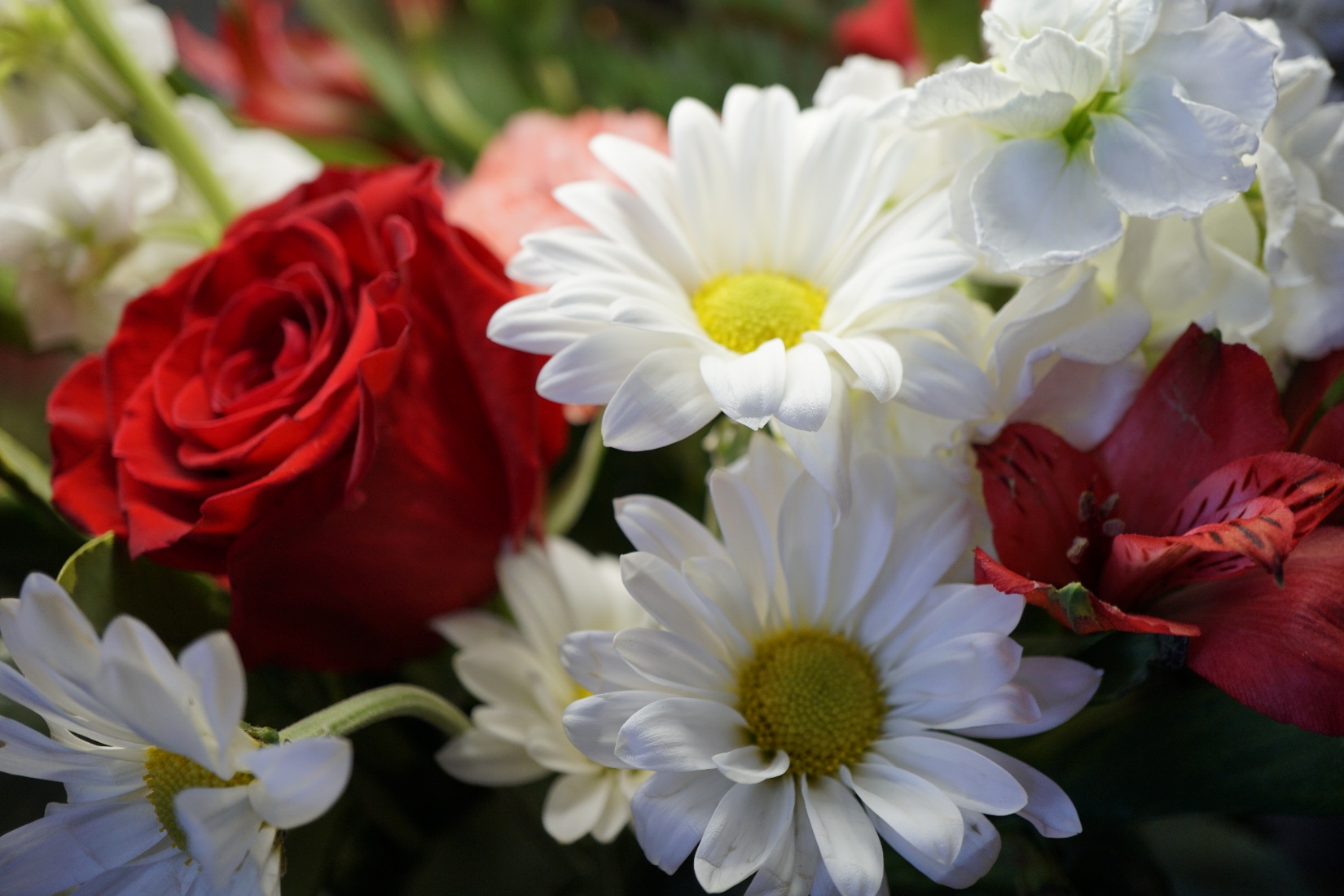
Daisies (Leucanthemum sp.) in a flower bouquet mean innocence, purity, and true friendship.
Barbara H. Smith, ©2025 HGIC, Clemson Extension
What Hyacinths Mean for Valentine’s Day (Hyacinthus sp.)
What Hyacinths Symbolize
- Sincerity
- Joy
Hyacinth Color Meanings
- Blue for consistency and sincerity
- Pink for playful joy
- Purple for deep sorrow or forgiveness
- White for purity and loveliness
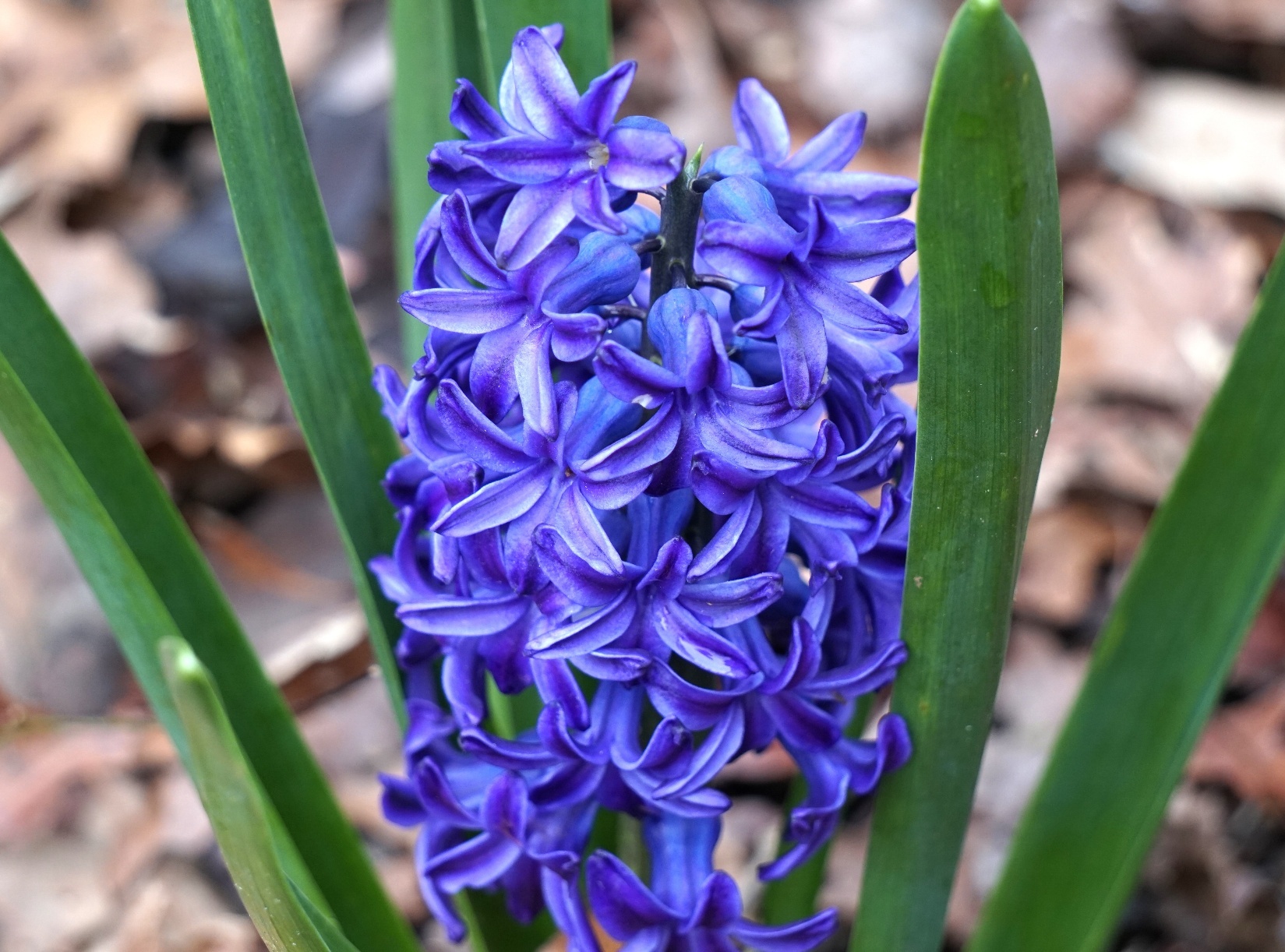
Blue hyacinths (Hyacinthus sp.) symbolize consistency and sincerity.
Barbara H. Smith, ©2025 HGIC, Clemson Extension
What Lily of the Valley Means for Valentine’s Day (Convallaria majalis)
What Lily of the Valley Symbolizes
- Sweetness
- Happiness
- Humility
- Purity
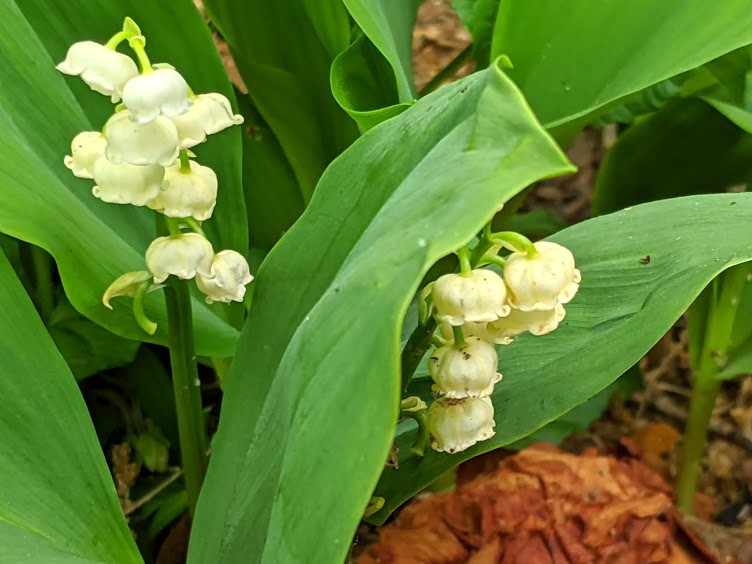
A nosegay of lily of the valley (Convallaria majalis) flowers represents sweetness and a return to happiness.
Barbara H. Smith, ©2025 HGIC, Clemson Extension
What Orchids Mean for Valentine’s Day (Orchidaceae family)
What Orchids Symbolize
- Love
- Beauty
- Luxury
- Strength
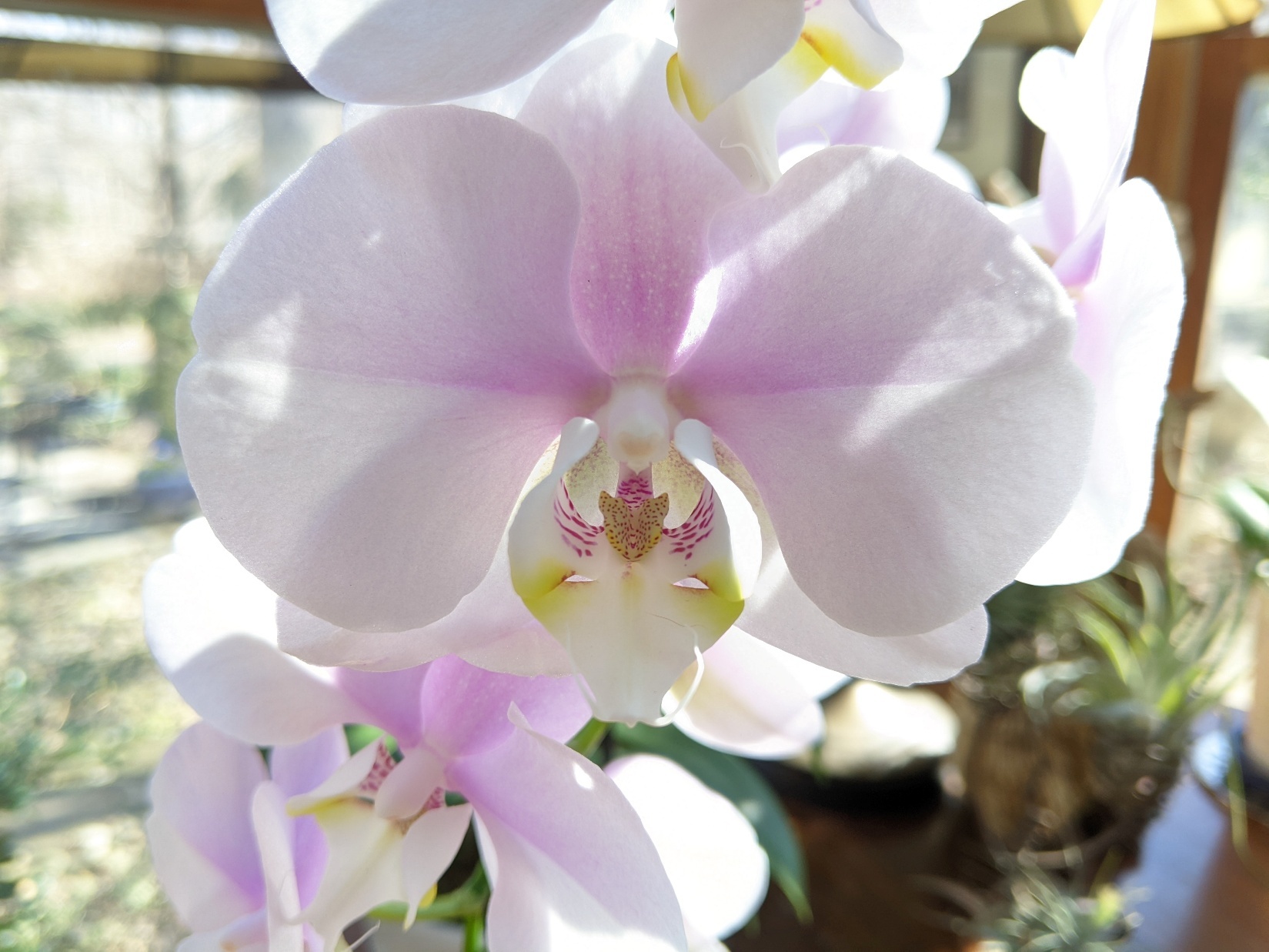
Moth orchids (Phalaenopsis sp.) are an elegant choice to convey love, beauty, luxury, and strength.
Barbara H. Smith, ©2026 HGIC, Clemson Extension
What Peonies Mean for Valentine’s Day (Paeonia sp.)
What Peonies Symbolize
- Love
- Romance
- Prosperity
- New beginnings
- Bashfulness
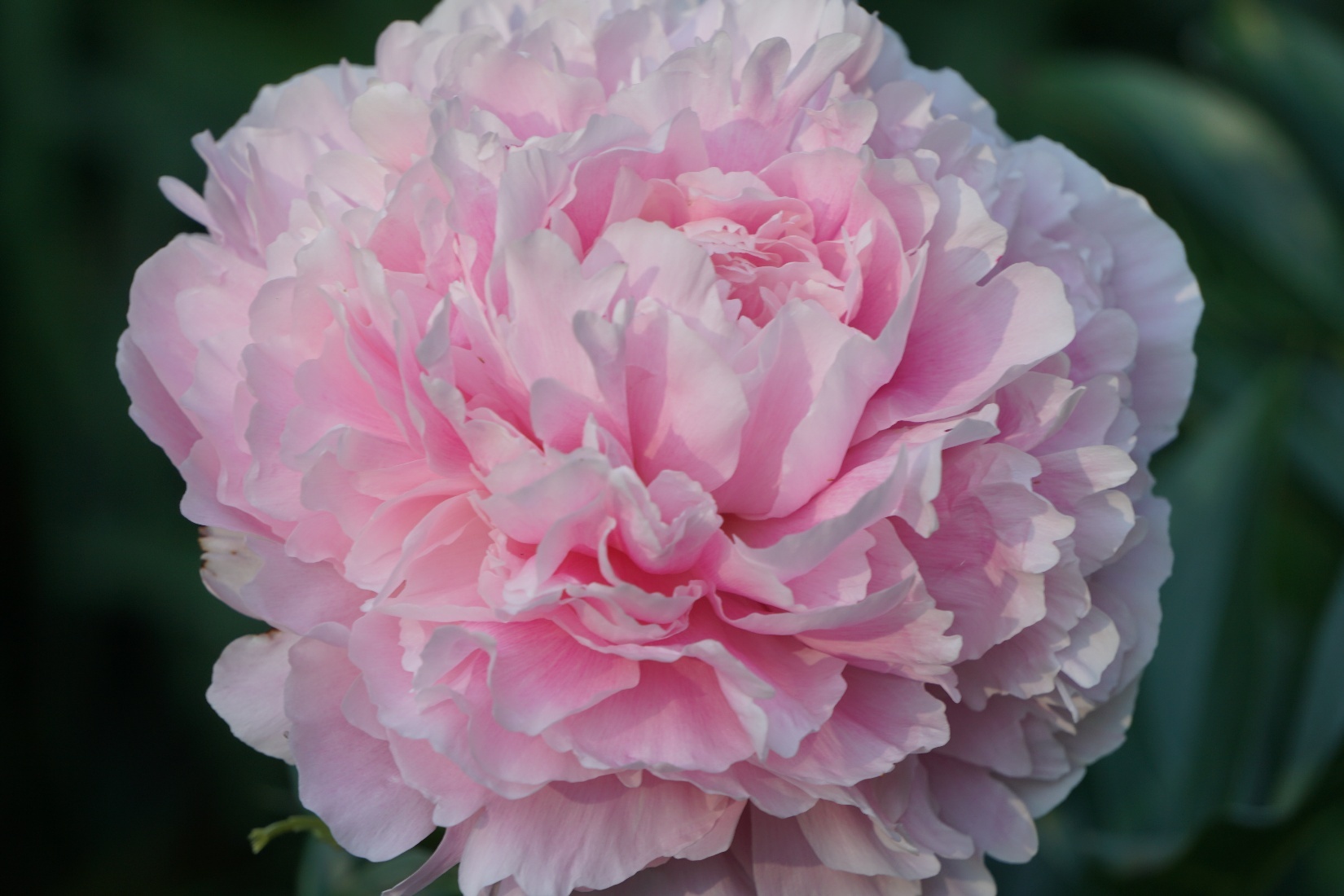
A bouquet of peonies (Paeonia sp.) is a symbol of love, romance, prosperity, new beginnings, and bashfulness.
Barbara H. Smith, ©2025 HGIC, Clemson Extension
What Tulips Mean for Valentine’s Day (Tulipa sp.)
What Tulips Symbolize
- Deep and enduring love
- Rebirth
- Good fortune

Tulips (Tulipa sp.) are the perfect choice to express a deep and enduring love.
Barbara H. Smith, ©2025 HGIC, Clemson Extension
What Violets Mean for Valentine’s Day (Viola sp.)
What Violets Symbolize
- Modesty
- Faithfulness
- Remembrance
- Everlasting love
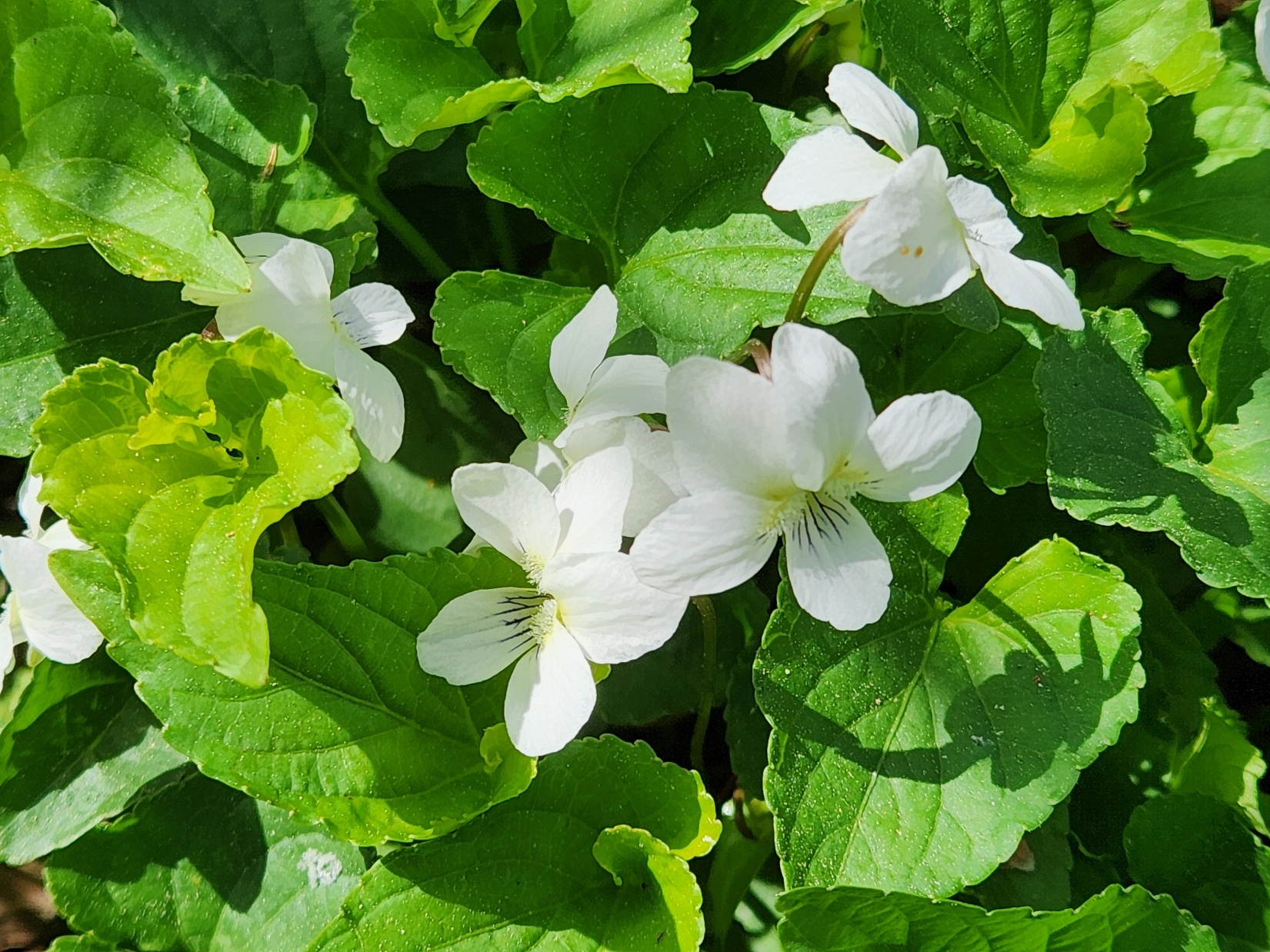
Violets (Viola sp.) are the birth flowers of February and symbolize modesty and faith.
Barbara H. Smith, ©2025 HGIC, Clemson Extension
Send a Meaningful Floral Message to Your Loved One
Whatever flowers you send or receive, may you have a Happy Valentine’s Day.