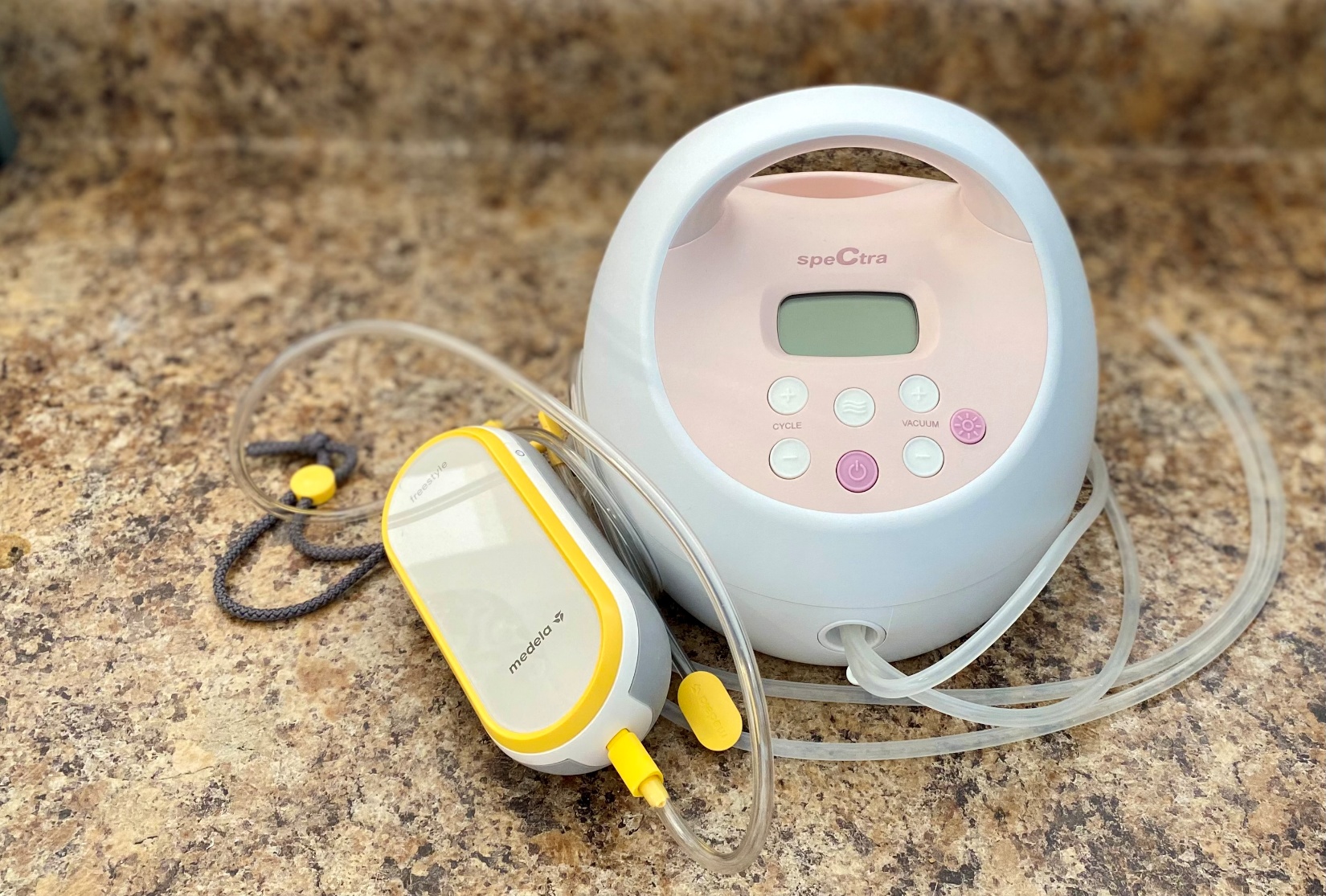
Certified Lactation Counselor can educate on breast pump selections and milk expression.
Hannah Shifflette, ©2026, Clemson Extension
Breast milk provides complete nutrition for infants, whether a baby feeds directly at the breast or is given expressed milk. Breast milk expression is the process of removing milk using hands or a breast pump, and may be medically necessary in some situations.
Premature birth, certain medical conditions, or periods of separation all may warrant milk expression. Some parents also may choose this due to personal preferences, such as exclusive pumping, combination feeding, or discomfort when breastfeeding in public.
When expressing breast milk, it is essential to follow evidence-based guidelines for safe and effective expression, storage, and handling to protect infant health.
How to Express Breast Milk Safely
Hand Expression for Breast Milk Removal
Hand expression is considered the most accessible and hygienic method of expressing human milk. It requires only washed hands and a clean container, making it a very practical option.
This technique is particularly useful in the immediate postpartum period, to help relieve engorgement, or when using a breast pump is not possible. A Certified Lactation Counselor can provide guidance on hand expression techniques.
Using Breast Pumps for Breast Milk Expression
There are several types of breast pumps available today, including manual pumps, electric single-user pumps, and multi-user hospital-grade pumps. Each type serves different needs and situations.
A Certified Lactation Counselor is trained to assist with selecting the right pump for one’s situation and to ensure the correct size pump parts are selected.
Hygiene and Sanitation for Safe Breast Milk Expression
While there are no concerns of hygiene when it comes to direct nursing, pump parts and collection containers containing expressed milk can grow bacteria and must be handled properly.
Safe Cleaning Practices for Pump Parts
- Hands must be washed well with soap and water before milk expression or handling, including cleaning between fingers and under nails. If soap and water are unavailable, hand sanitizer may be used instead.
- Any pump parts that make contact with breast milk should be washed after each use in warm, soapy water using a separate clean container to reduce the risk of bacteria growth.
- Proper sterilization of all pump parts is recommended for infants under three months of age, pre-term infants, or those with compromised immune systems.
Sterilizing Breast Pump Equipment
Sterilization methods include:
- Immersing parts in boiling water for three minutes
- Using steam microwave bags
- Using a dishwasher on a sanitized setting
Keep in mind dishwashers alone are not sufficient in removing milk residue build up, and will require physical scrubbing in that situation.
Avoid Unsafe Pumping “Hacks”
Beware of unsafe pumping “hacks” that have become popular. These informal practices are commonly shared online but are not recommended by health officials.
Refrigerating or reusing unwashed pump parts, bottles, or collection devices can increase the risk of milk spoilage and illness due to bacteria growth. This is especially dangerous for preterm infants, newborns, and those who are immunocompromised.
How to Store and Handle Expressed Breast Milk
After expression, breast milk must be stored in clean, food-grade hard plastic or glass containers with tight-fitting lids. Breast milk storage bags are also commonly used, especially for freezing milk.
Avoid storing milk in any container that is not specifically designed for storing breast milk.
Each container should be clearly labeled with the date of expression and the infant’s name if it will be sent to a childcare facility.
Storing breast milk in small quantities may help to avoid waste along with using a first-in, first-out system to ensure older breast milk is used before newer breast milk.
Freshly Expressed Breast Milk Storage Guidelines
| Environment | Temperature | Maximum Duration |
|---|---|---|
| Room Temperature | ~77°F | Up to 4 hours |
| Refrigerator | ~39°F | Up to 4 days |
| Freezer | ~0°F | Up to 6 months |
| Deep Freezer | ~-4°F | Up to 12 months |
Information adapted from the Academy of Breastfeeding Medicine’s
(ABM) Clinical Protocol #8: Human Milk Storage Information for Home
Use for Full-Term Infants, Revised 2017.
How to Warm and Prepare Expressed Breast Milk Safely
Certain guidelines must be followed once the time comes to prepare previously expressed breast milk to feed to an infant, including:
- Thawing in the refrigerator or placing the container or storage bag in a warm water bath are the safest methods for thawing frozen breast milk.
- Never microwave or boil breast milk, as this can risk loss of nutrients and cause uneven heating, which may lead to burns from hotspots.
- After warming, gently swirl the milk to mix any separated fat.
- Previously frozen breast milk thawed in the refrigerator should be used within 24 hours.
- Any thawed milk remaining after the baby finishes feeding should be discarded if not used within 2 hours, to prevent contamination from the baby’s saliva.
- Breast milk should never be refrozen once completely thawed.
Breast Milk Expression After Returning to Work
During pregnancy, it is important to review the workplace policy on expressing breast milk, if applicable.
According to the Affordable Care Act of 2010, employers must provide hourly employees with reasonable break time and a private space that is not a bathroom to express milk for up to one year after a child is born.
Some exemptions may apply, so it is important to understand the specific workplace policies and legal protections that apply in each situation.
A few weeks before returning to work, meeting with a Certified Lactation Counselor can help create a personalized expression schedule for work hours.
Pumping Essentials Kit for Returning to Work
Items in this kit might include:
- Breast pump and charging source
- Breast pump parts
- Breast milk storage bags or storage containers
- Insulated cooler bag with ice packs
- Small bottle brush
- Mild dish soap
- Portable steam sterilizer bags
- Spare pump parts
- Pumping bra
Why Safe Breast Milk Handling Matters
Breast milk, while considered the ideal nutrition for infants, can easily become contaminated if not handled correctly.
Using safe practices such as storing milk at the correct temperatures, thoroughly cleaning and sanitizing equipment, and warming milk safely helps preserve its quality and protect an infant’s health.
Trusted organizations such as the CDC offer clear and accessible guidance online to help caregivers follow best practices for milk storage and expression.
Related Resources
HGIC 4118 Pregnancy & Breastfeeding
The Benefits of Breastfeeding for Mom and Baby
Register for Clemson Extension’s Ask a CLC program here
Sources
- Cadwell, K., & Turner-Maffei, C. (2021). Pocket guide for lactation management (4th ed.). Jones and Bartlett Learning.
- Centers for Disease Control and Prevention. (2025, September 23). Five tips for returning to work and breastfeeding. U.S. Department of Health and Human Services. https://www.cdc.gov/breastfeeding/about-breastfeeding/returning-to-work.html
- Centers for Disease Control and Prevention. (2025, May 16). Breast milk storage and preparation. U.S. Department of Health and Human Services. https://www.cdc.gov/breastfeeding/breast-milk-preparation-and-storage/handling-breastmilk.html
- Eglash, A., Simon, L., & Academy of Breastfeeding Medicine. (2017). ABM clinical protocol number 8: Human milk storage information for home use for full term infants. Breastfeeding Medicine, 12(7), 390–395. https://doi.org/10.1089/bfm.2017.29047.aje
- Mayo Clinic Staff. (2025, March 27). Breast milk storage: Dos and dont’s. Mayo Clinic. https://www.mayoclinic.org/healthy-lifestyle/infant-and-toddler-health/in-depth/breast-milk-storage/art-20046350