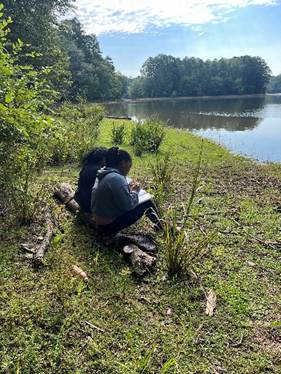
Research indicates that spending even a few minutes in nature can have a positive impact on your health.
Image Credit: RHN Team Picture Bank
The world is filled with nature. Natural environments, ranging from forests and coastal areas to community parks, gardens, and even indoor spaces with plants, are an integral part of daily life. Beyond their aesthetic value, these environments are increasingly recognized as contributors to human health and wellbeing.
Overview of Nature and Health
A growing body of research suggests a positive association between spending time in nature and improved health. These benefits extend from prenatal development through older adulthood.
Higher exposure to natural spaces during pregnancy is linked to improved birth outcomes such as longer gestational age and healthier birth weight. During childhood, time spent in green spaces is associated with improved behavioral outcomes in the classroom, enhanced resilience, and improved cognitive development. Evidence also suggests that as children age, the quality of natural environments becomes an increasingly important factor influencing health outcomes. At all stages of life, time spent in nature has been associated with higher levels of physical activity, lower rates of obesity, improved sleep quality and duration, and reduced stress.
These benefits extend to other areas of health as well, including potential protective factors against inflammatory conditions, improved immune function, and reduced feelings of fatigue. However, the most consistent and substantial benefits relate to mental health.
Impact on Mental Health
Much of the scientific literature examining nature exposure focuses on psychological health and stress reduction. Studies report improvements in mood, anxiety, depressive symptoms, cognitive function, and working memory among both individuals with diagnosed mental health conditions and those experiencing everyday stress. Research also suggests a relationship between exposure to green spaces in childhood and improved mental health outcomes in adulthood. Furthermore, emerging evidence suggests that spending time in natural environments may be linked to a reduced risk of certain psychiatric and affective disorders.
Stress reduction appears to be a central pathway underlying many of these benefits. Spending time in nature has been shown to reduce physiological markers of stress, including cortisol levels (a stress hormone), blood pressure, heart rate, and perceived stress levels. These reductions in chronic stress may help explain broader associations between nature exposure and improved developmental outcomes and reduced disease risk.
Impact on Chronic Disease
Time spent in nature has been linked to the prevention and management of various chronic diseases. Natural environments encourage physical activity and support stress reduction, both of which are key components of chronic disease prevention and care. Research suggests that green spaces may be protective factors in developing chronic diseases such as diabetes and gestational diabetes, preeclampsia, cancers of the mouth, throat, nose, and prostate, and non-melanoma skin cancers. Some studies have demonstrated lower mortality from cardiovascular disease and following a stroke, in addition to lower levels of developing coronary heart disease. Furthermore, research indicates that the benefits received from nature regarding preventing and managing mental health conditions are greater in individuals with chronic disease.
Incorporate More Nature
Everyone can make small changes to increase their exposure to natural environments and experience the associated health benefits. Consider the following tips and resources when brainstorming how to spend more time in nature.
Plan Ahead
When spending time outdoors, preparation and planning are essential to ensure safety.
- Hydrate, even in the cooler months. Adequate hydration supports overall health in all seasons. For more information on hydration and safety, refer to HGIC 4378: Hydrate in the Heat.
- Dress for the weather. South Carolina experiences both extreme heat in the summer and very chilly winters. Check the weather before going outside. Wear lightweight and moisture-wicking items in the hotter months and layer up in the colder months.
- Have a safety plan. Always have a safety plan in place, regardless of the type of activity you engage in. Share your location and expected return time with a trusted contact.
- Carry a cell phone. In remote areas, consider alternative emergency communication options if cell service is limited.
- Prepare for environmental conditions and wildlife. Use insect repellent, wear appropriate footwear, and consider bringing other wildlife deterrents as needed. Have emergency medicine, such as EPI-PENS or antihistamines, on hand in case of an allergic reaction to insects in the area. Check out the location’s website or ask around in local groups to learn more about what to prepare.
- Talk with your doctor. Always consult with a healthcare provider before beginning any new activity. Ensure they do not have additional safety precautions regarding going outside.
- Have the “10 Essentials”. The National Park Service recommends the following essential supplies for exploring the outdoors: navigation, sun protection, insulation, illumination, first aid supplies, fire-starting items, repair tools, food, hydration, and emergency shelter. Visit The National Park Service’s website to learn more about these items.
For additional tips on spending time outdoors, especially during the summer months, check out these articles.
- Summer Safety with Diabetes
- HGIC 4378, Hydrate in the Heat
- UV Safety Month: Tips for Staying Safe in the Sun
Get Outside
Nature exposure does not require strenuous outdoor recreation. Beneficial activities may include:
- Spending time outside (sitting, walking, reading, socializing, etc.)
- Meditating in nature
- Observing wildlife or plants
- Walking, running, biking, or hiking through nature
- Gardening
When considering ways to engage more with nature, it is essential to determine the most feasible method for you. If you are a nature novice, consider visiting a park or other natural area with your family or friends instead of a restaurant for your next gathering. If you are comfortable outside, try a new activity like bird watching while hiking to increase your engagement with nature.
Regardless of the level of participation, exposure to natural settings can provide measurable benefits. However, be sure to consider any personal limitations or other factors and consult with a healthcare provider before taking next steps to ensure safety and preparedness.
Resources
There are numerous community and educational resources available that can help individuals safely increase their engagement with nature.
- Gardening can introduce nature-based activity at home. Discover how gardening affects health through the Rural Health and Nutrition Blog and explore Clemson Extension’s Horticulture programs for gardening-related activities.
- Clemson Extension’s WalkSC is a structured walking program that helps you learn more about the natural areas of South Carolina while increasing your physical activity.
- The South Carolina Parks website offers information regarding South Carolina’s State Park system, maps and suggestions for activities at each park, and a schedule of ranger-led events to help one explore the outdoors.
- Visit local city and county parks websites for information on types of activities and facilities available. There may also be locally-sponsored events at the parks to help individuals get outside.
- Use tools like Eventbrite, Facebook Groups, or Meetup to find local outdoor groups and events.
Although additional research is needed to further clarify the relationship between nature exposure and health, current evidence strongly supports time spent in natural environments as a practical and low-cost strategy to enhance overall wellbeing and quality of life.
References:
- Bettmann, J. E., Speelman, E., Jolley, A., & Casucci, T. (2025). A Systematic Review and Meta-Analysis on the Effect of Nature Exposure Dose on Adults with Mental Illness. Behavioral Sciences, 15(2), 153. https://doi.org/10.3390/bs15020153
- Fan, M.S.N., Li, W.H.C., Ho, L.L.K. et al. Nature-based interventions for enhancing resilience in children: a systematic review and meta-analysis. Discov Ment Health 5, 109 (2025). https://doi.org/10.1007/s44192-025-00258-7
- Jimenez MP, DeVille NV, Elliott EG, Schiff JE, Wilt GE, Hart JE, James P. Associations between Nature Exposure and Health: A Review of the Evidence. Int J Environ Res Public Health. 2021 Apr 30;18(9):4790. doi: 10.3390/ijerph18094790. PMID: 33946197; PMCID: PMC8125471.
- Liu, BP., Huxley, R.R., Schikowski, T. et al. Exposure to residential green and blue space and the natural environment is associated with a lower incidence of psychiatric disorders in middle-aged and older adults: findings from the UK Biobank. BMC Med 22, 15 (2024). https://doi.org/10.1186/s12916-023-03239-1
- Mohammad Javad Zare Sakhvidi, Amir Houshang Mehrparvar, Fariba Zare Sakhvidi, Payam Dadvand. Greenspace and health, wellbeing, physical activity, and development in children and adolescents: An overview of the systematic reviews, Current Opinion in Environmental Science & Health, Volume 32, 2023,100445, ISSN 2468-5844, https://doi.org/10.1016/j.coesh.2023.100445.
- National Park Service. (2023, July 19). Ten Essentials. https://www.nps.gov/articles/10essentials.htm (nps.gov)
Originally published 06/26