What has made this diamondback moth appear white and fuzzy?
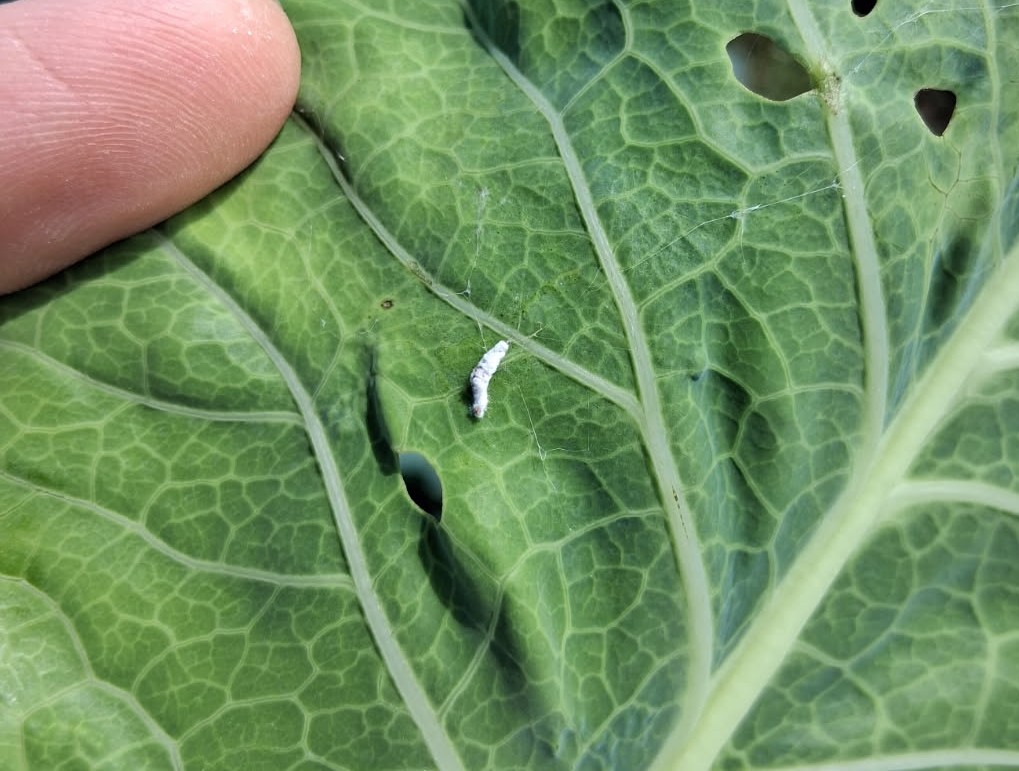
This diamondback moth is covered in a fungus called Beauveria bassiana.
Justin Ballew, ©2025, Clemson Extension
What is Beauveria bassiana?
Beauveria is an entomopathogenic (meaning it develops on insects), soil-dwelling fungi. This beneficial fungus is native to the United States and affects at least 700 species of insects.
How Beauveria Infects and Kills Insects
Aerial spores of the fungus land on host insects, and if environmental conditions are conducive (warm and humid), the spores germinate and infect the host.
Killing and colonizing the host may take anywhere from 3 days to 4 weeks, depending on the insect.
Beauveria Is Used to Make Biopesticides
Beauveria was discovered nearly 200 years ago and has been used to make bioinsecticides for years.
Their effectiveness is variable and depends greatly on the weather conditions.
For optimal results when using Beauveria-based products such as BoteGHA, BotaniGuard, and Mycotrol:
- Apply in warm, humid weather.
- Choose cloudy days or apply close to dark, as UV rays can quickly kill spores.
Learn More About Beauveria
For more information, visit Cornell Integrated Pest Management: Beauveria bassiana.