
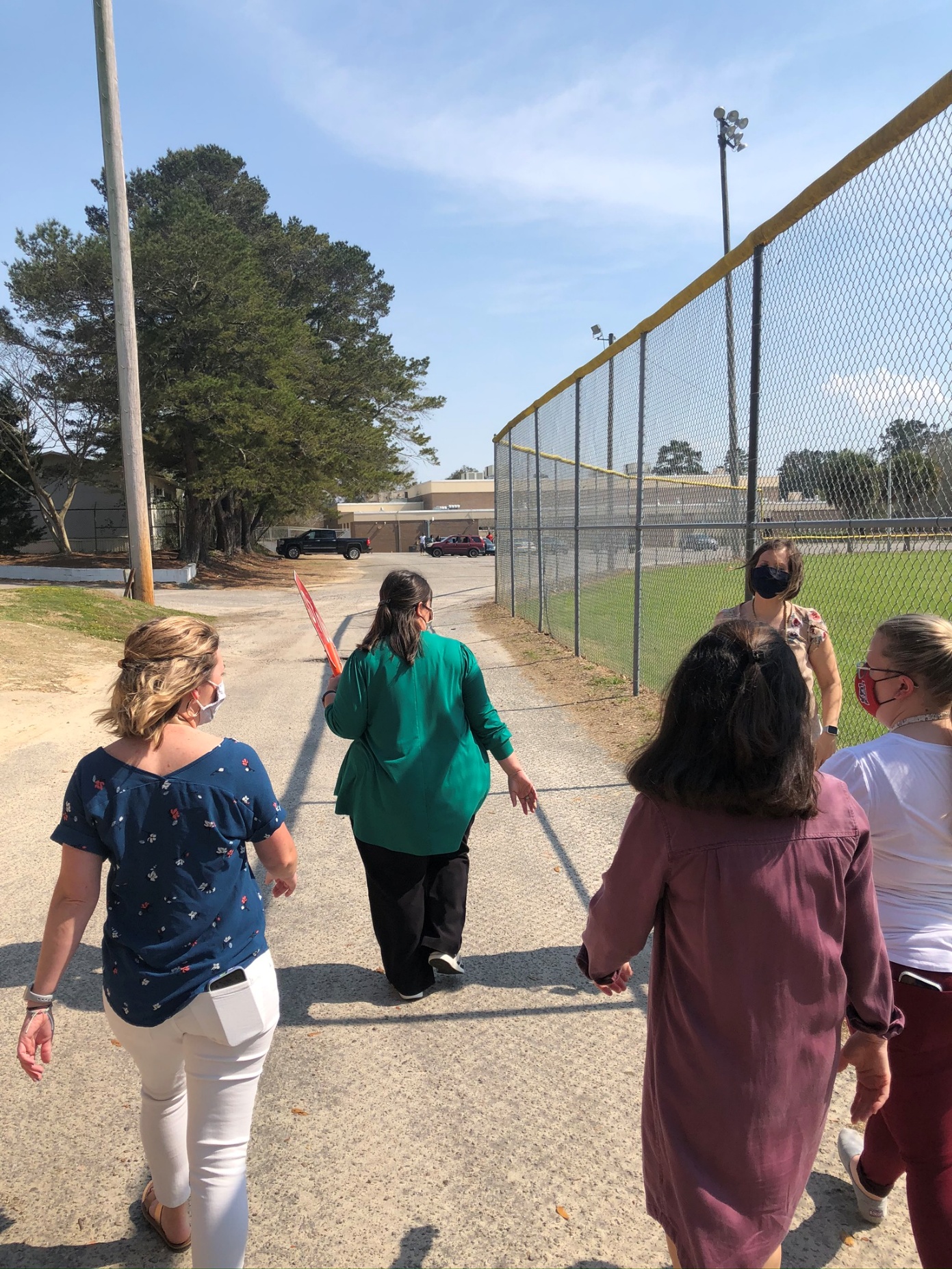
Walking with others is a simple way to stay active while also building meaningful social connections.
Photo Credit: RHN Team Picture Bank
Why Social Connections Matter for Your Health
Human beings are social creatures. Our brains are wired to seek connection, not only for enjoyment but also for survival.
Research suggests that social connection, which refers to how people relate to and interact with each other, is as important to humans as food and shelter. For early humans, this form of group connection provided protection from predators, increased access to food and other resources and supported the division of responsibilities like child rearing, hunting and gathering.
Today, social connection is just as important to human health and well-being as it was in the past.
According to the Centers for Disease Control and Prevention, a strong social connection can reduce a person’s risk of chronic disease and serious illness such as heart disease, stroke, dementia, anxiety, and depression.
How Social Isolation and Loneliness Affect Your Health
On the other hand, social isolation and loneliness, which can be caused by a lack of contact between individuals and others, can have the opposite effect on health, increasing risk for:
- Heart disease
- Stroke
- Type 2 diabetes
- Depression
- Anxiety
- Suicide
- Self-harm
Social isolation and loneliness have also been linked to increased mental health challenges and cognitive decline in older adults.
Health Benefits of Strong Social Relationships
Strong relationships with our friends, family, coworkers, and communities provide the emotional and physical support needed to live healthier lives.
People with strong social networks are more likely to:
- Stay up to date with medical appointments and preventive care.
- Have reliable access to food and transportation.
- Receive help when they are sick or need resources.
- Have someone who notices when something is wrong and encourages them to seek care.
How to Build Your Social Network
To build stronger social connections, start small and stay consistent.
Remember, a strong social network is not determined by the number of people in your network, but instead by the consistency and quality of the relationships you have.
Start Small
To strengthen your social connections in your community, start by increasing the frequency of small interactions.
Smile at a stranger when out in public or say hello to a neighbor as they walk down the street. These small acts are a great way to build a connection with others.
Prioritize Connection
Consider making a goal to check in with one other person each day.
Whether through text, phone call, or in person, daily interaction with others can help you feel more connected and supported by those around you.
Join Structured Groups
Research shows that group-based programs and community engagement strengthen social connections and improve health outcomes.
Joining faith-based organizations, community groups, social clubs, or support groups is a great way to build a positive, consistent social network.
The Clemson Extension Rural Health and Nutrition team offers several ongoing opportunities that provide community and support, such as:
- Health Extension for Diabetes
- Move SC
- Yoga for Everybody
- Practical Strength
- Stirring Up Healthy Recipes
By joining groups like these, you increase your chances of success through the support and motivation of other members.
Social Connection Is an Important Part of Good Health
Being socially connected to others is one way to improve our health.
Through consistent, meaningful contact with others, we can reduce our risk of chronic disease, increase our lifespan, and improve both our mental and physical well-being.
References
- World Health Organization. (n.d.). Social connection. https://www.who.int/news-room/questions-and-answers/item/social-connection
- Centers for Disease Control and Prevention. (n.d.). Social connectedness: About. https://www.cdc.gov/social-connectedness/about/index.html
- Centers for Disease Control and Prevention. (n.d.). Social connectedness: Risk factors. https://www.cdc.gov/social-connectedness/risk-factors/index.html


