
As South Carolinians, we frequently think about storms. Whether it’s hurricane season or ice storms in February knocking out power for a week, we must always be concerned about having safe drinking water readily available. You can store water for your family in two significant ways: bulk storage or using your otherwise empty canning jars.
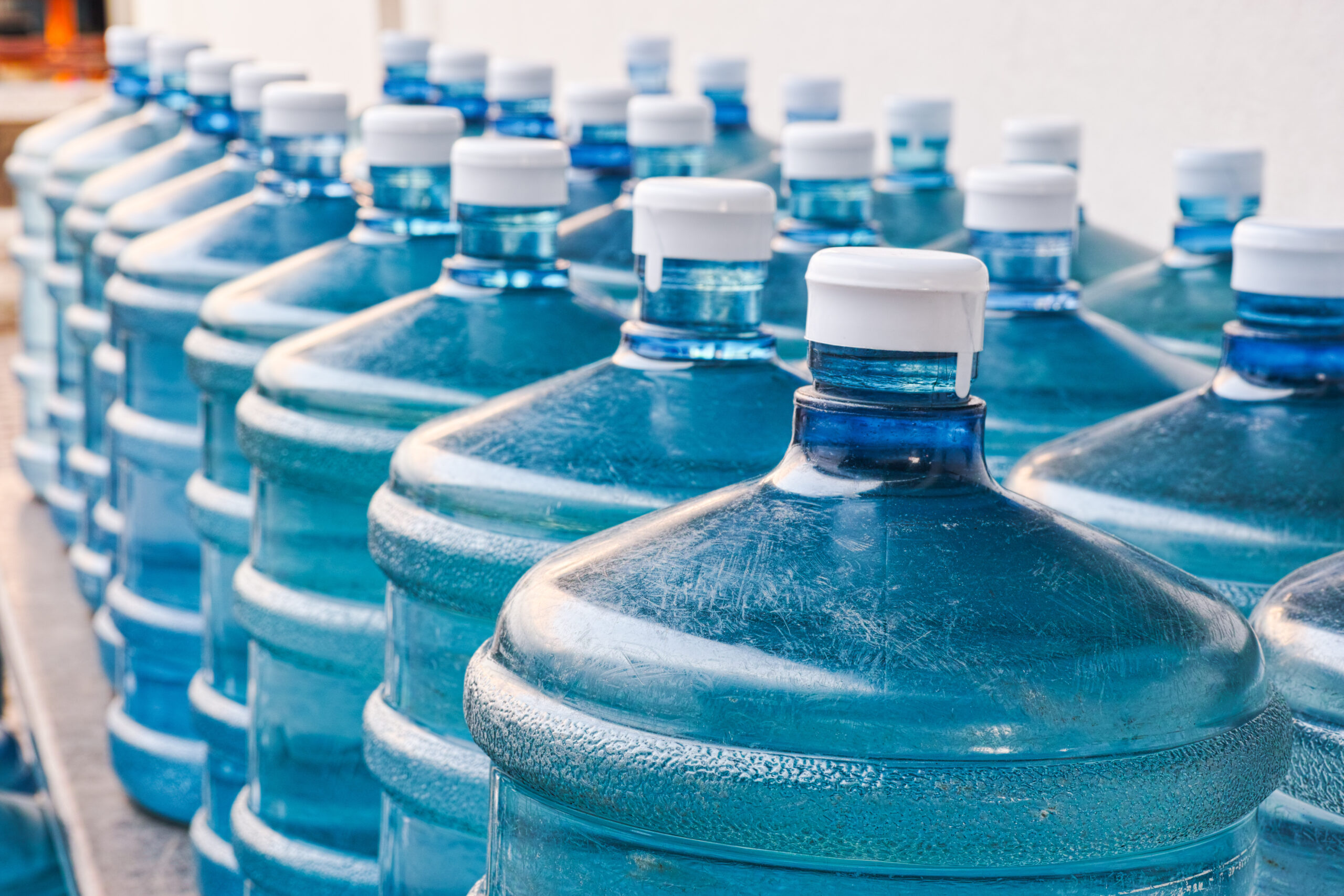
Drinking water supply.
Photo credit: skhunda-stock.adobe.com
How Much Water Should You Store?
The minimum recommendation is 1 gallon of water per person for three days. I suggest extending that to 10 days or more if you live in a particularly rural area. Think about what it took for resources to get to our neighbors during the aftermath of Hurricane Helene and apply that to your own family.
How to Store Water for Safety
The next question is how? How do you keep water from going rancid?
- Use clean water to start
- Use food-grade containers that will not break down over time
Preventing Contamination with Water Purification
However, the most important part will always be to store the cleanest water you can. There is concern about the potential for parasites or other germs in your tap water or container. This is why the Centers for Disease Control (CDC) has published steps for purifying water using household bleach for long-term storage.
- Use 5%-9% Sodium Hypochlorite without added fragrances or additives for “low splash,” as these are not to be consumed.
- Mix the water and bleach well, then allow to sit for a minimum of 30 minutes before using.
Follow the table below for the amount of water you’re storing.
How Much Bleach to Use for Safe Water Storage
| Quantity of Water | Amount of bleach to add |
| 1 quart of water | If using a dropper: 2 drops If using milliliter measure: 0.1mL If using a measuring spoon, it is too small to measure accurately. |
| 1 gallon of water | If using a dropper: 8 drops If using milliliter measure: 0.5mL If using measuring spoon: 1/8 teaspoon |
| 5 gallons of water | If using a dropper: 40 drops If using milliliter measure: 2.5mL If using measuring spoon: ½ teaspoon |
Stay safe and stay hydrated.
Additional Resources
HGIC 3800, Food Safety In Hurricanes & Floods
CDC Water, Sanitation, and Hygiene (WASH)– Related Emergencies and Outbreaks


