
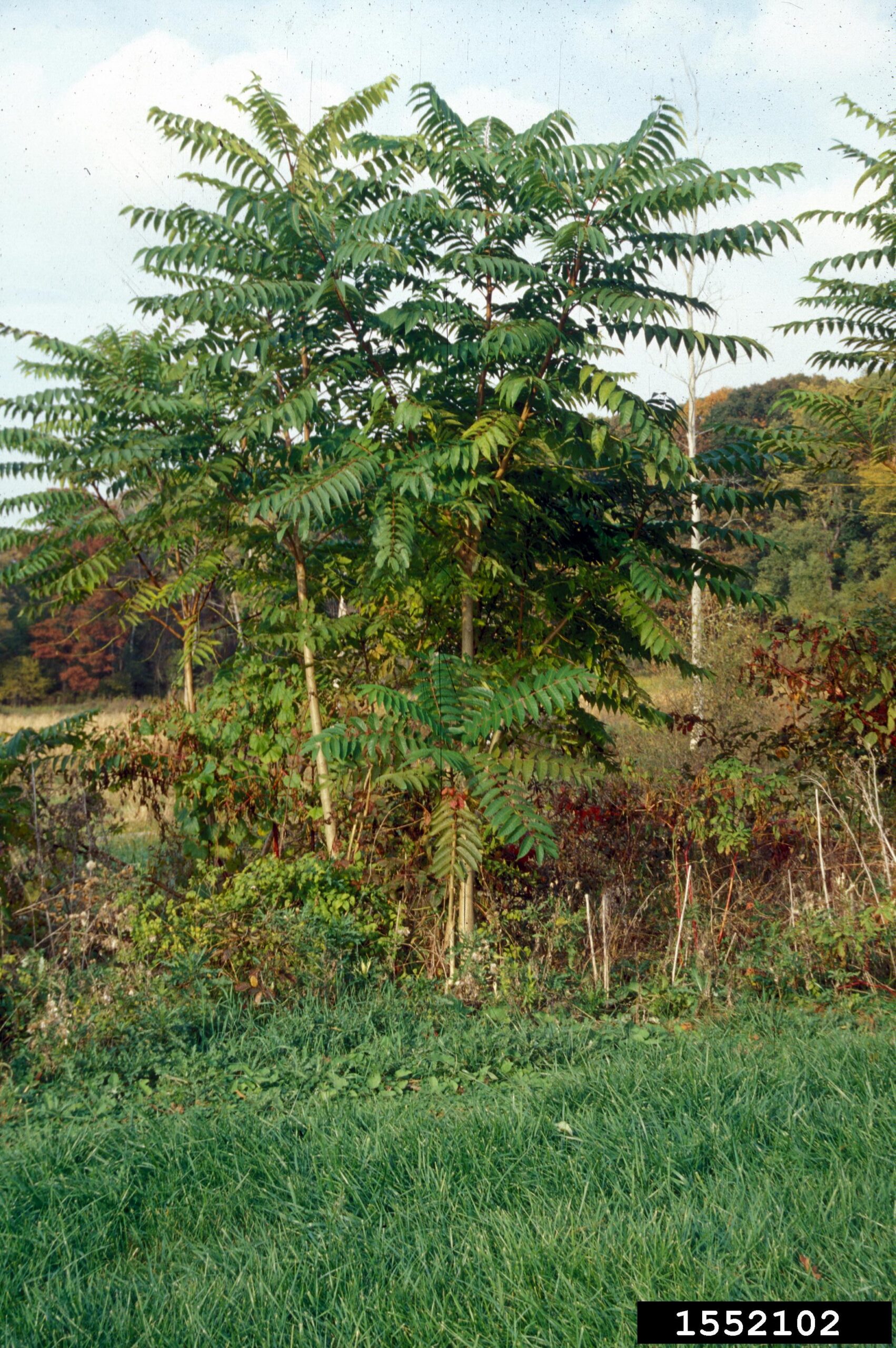
Figure 1: Tree-of-heaven often grows in clumps, originating from the same source plant.
Photo by Catherine Herms, The Ohio State University, bugwood.org
Tree of Heaven Quick Guide
Scientific name: Ailanthus altissima
Common names: Tree-of-heaven, ailanthus, Chinese sumac, and paradise tree
Plant type: Rapidly growing, invasive, deciduous tree
Native range: Parts of Asia, including China and Taiwan
Maximum size: Up to 80 feet or more in height; stem diameters can reach 6 feet
Key identification features: Pinnately compound leaves, foul-smelling twigs and crushed leaves, clustered flowers, and winged samaras
Primary concerns: Dense thickets, displacement of native species, root sprouting, property damage, and support of spotted lanternfly populations
Management: Requires sustained use of chemical, cultural, biological, and mechanical control methods
What Is Tree of Heaven and Why Is It Invasive
Tree-of-heaven (Ailanthus altissima), also known as ailanthus, Chinese sumac, or paradise tree, is a rapidly growing, invasive, deciduous species in the Simaroubaceae family.
Native to parts of Asia, including China and Taiwan, it was first introduced to the U.S. in the mid-to-late 1700s as an ornamental plant. The tree was initially planted in Pennsylvania and later brought to the West Coast in the mid-1800s.
Since then, tree-of-heaven has spread across much of the U.S. and can now be found in most states.
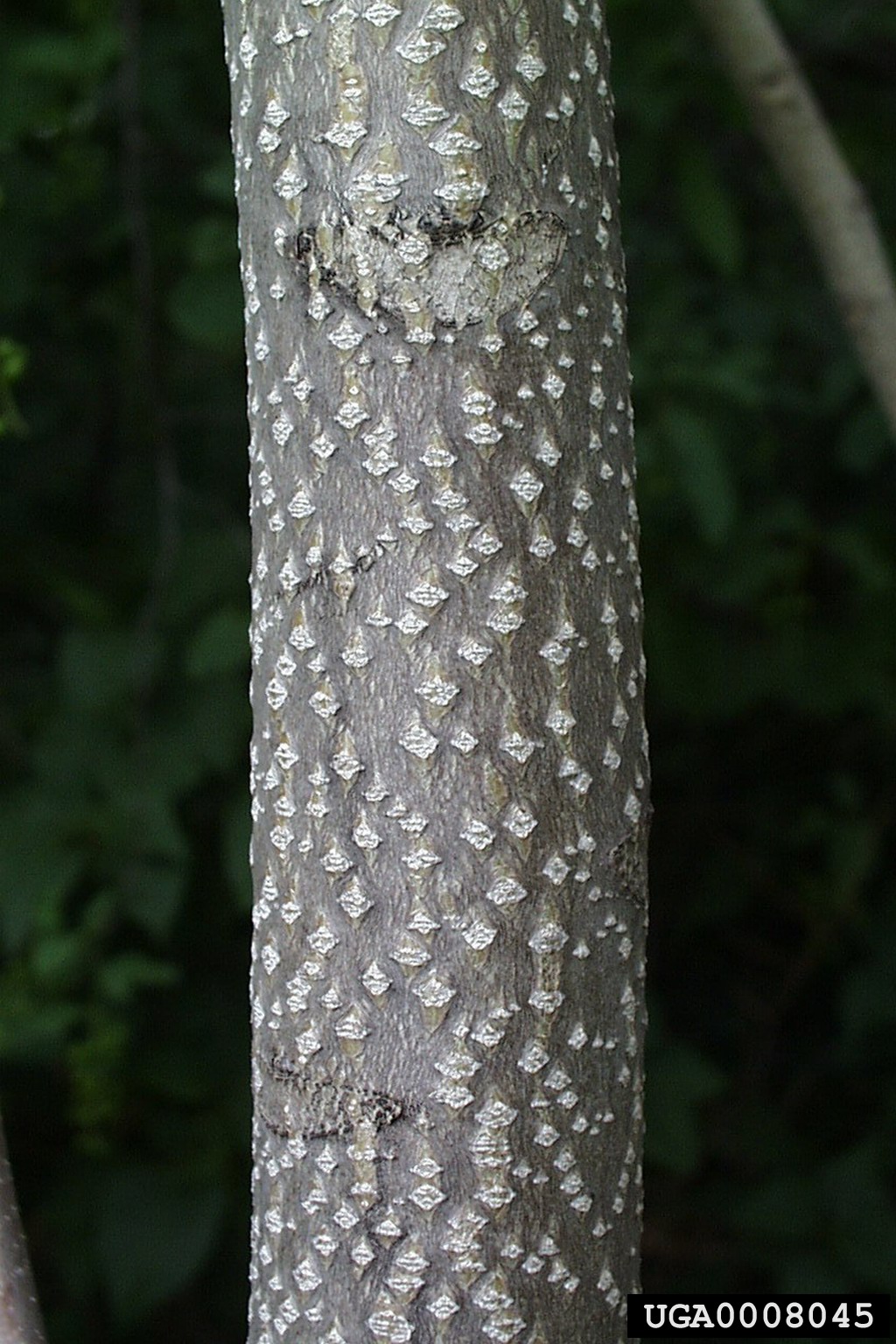
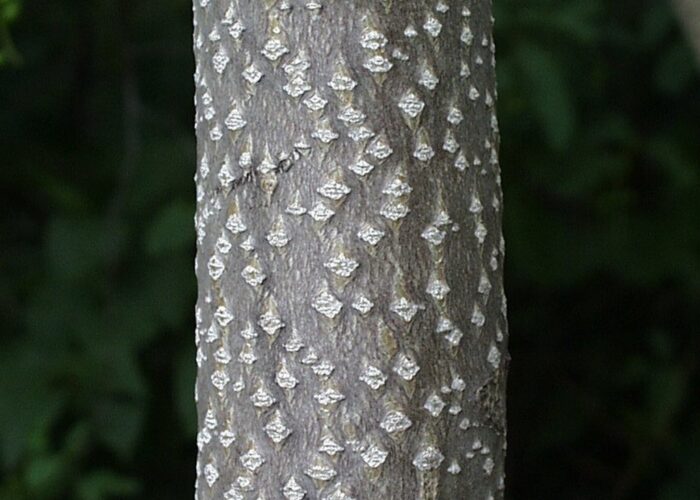 Figure 2: Tree-of-heaven bark has a rough, fissured texture. Photo by Paul Wray, Iowa State University, bugwood.org
Tree of Heaven Biology and Description
Tree of Heaven Size, Bark, and Twigs
Tree-of-heaven can reach a stem diameter of 6 feet and heights up to 80 feet or more, although it is more often seen as a small to medium-sized tree.
Its bark begins as a smooth, brownish-green color that matures to a light gray or brown with a rough, fissured texture (Figure 2).
Twigs are hairless with heart-shaped leaf scars and spongy brown centers that emit a foul odor, which is often compared to the smell of burnt peanut butter or used gym socks.
Tree of Heaven Leaves, Flowers, and Fruits
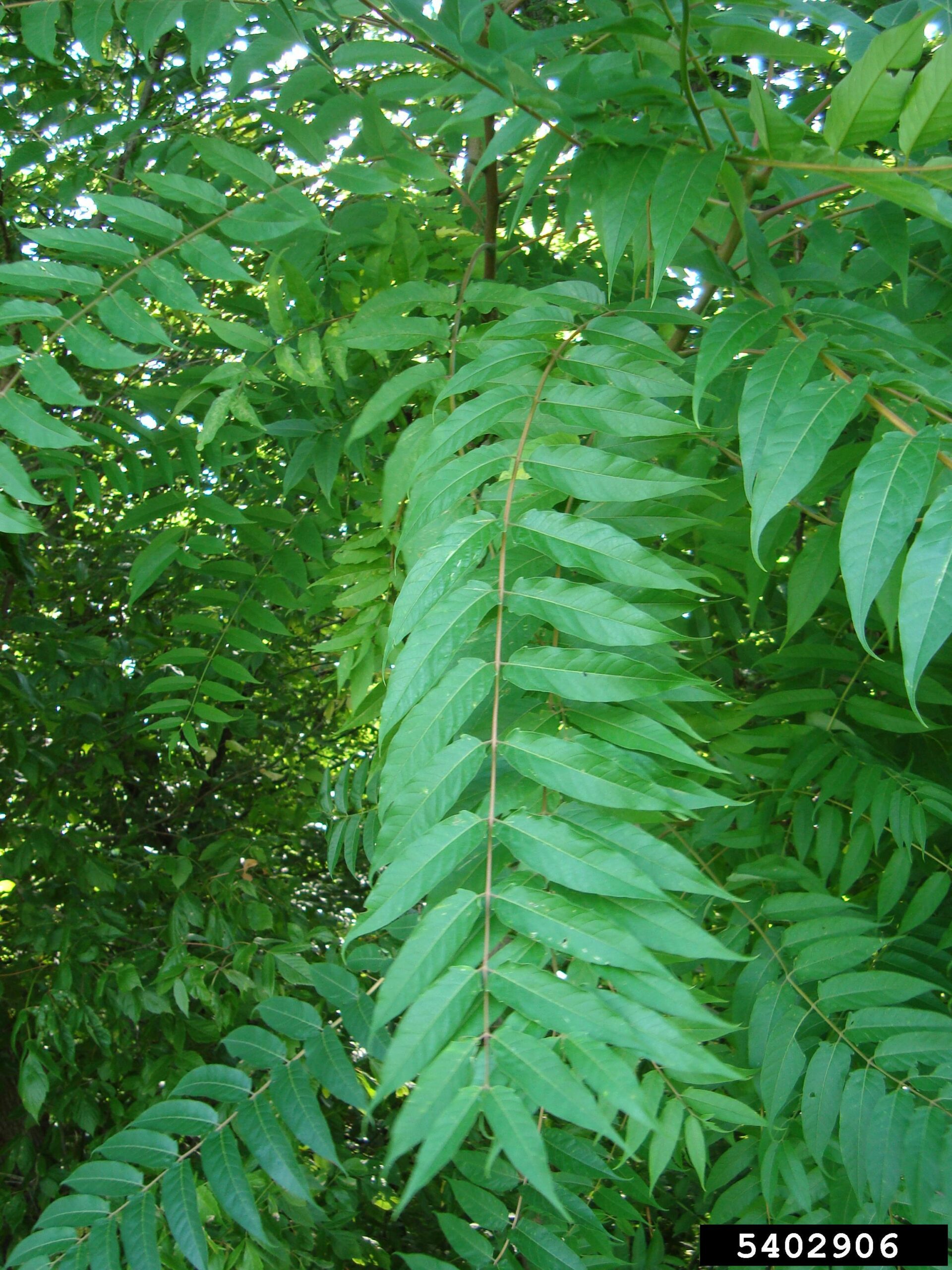
Leaves can also emit an odor similar to burnt peanut butter or used gym socks when crushed. The leaves are 1 to 4 feet in length with smooth edges. They are pinnately compound with 10 to 40 lance-shaped leaflets that have a raised bump or gland at the base (Figure 3).
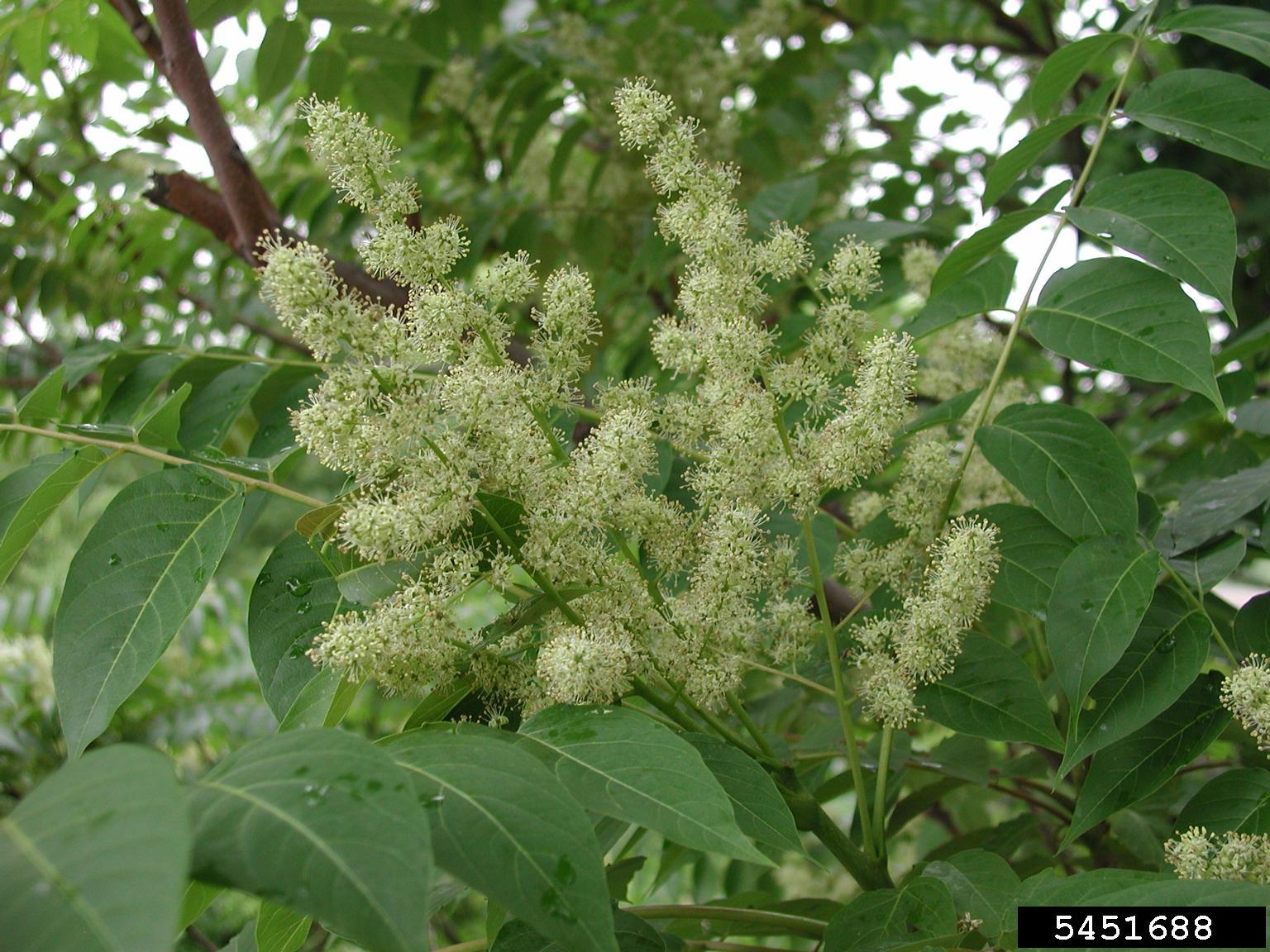
Tree-of-heaven is dioecious, meaning male and female flowers occur on separate pants. Flowers and fruits develop only on the female trees. Large clusters of flowers develop in spring and summer at the top of the canopy.
Flowers are relatively small and pale yellow to green in color (Figure 4).
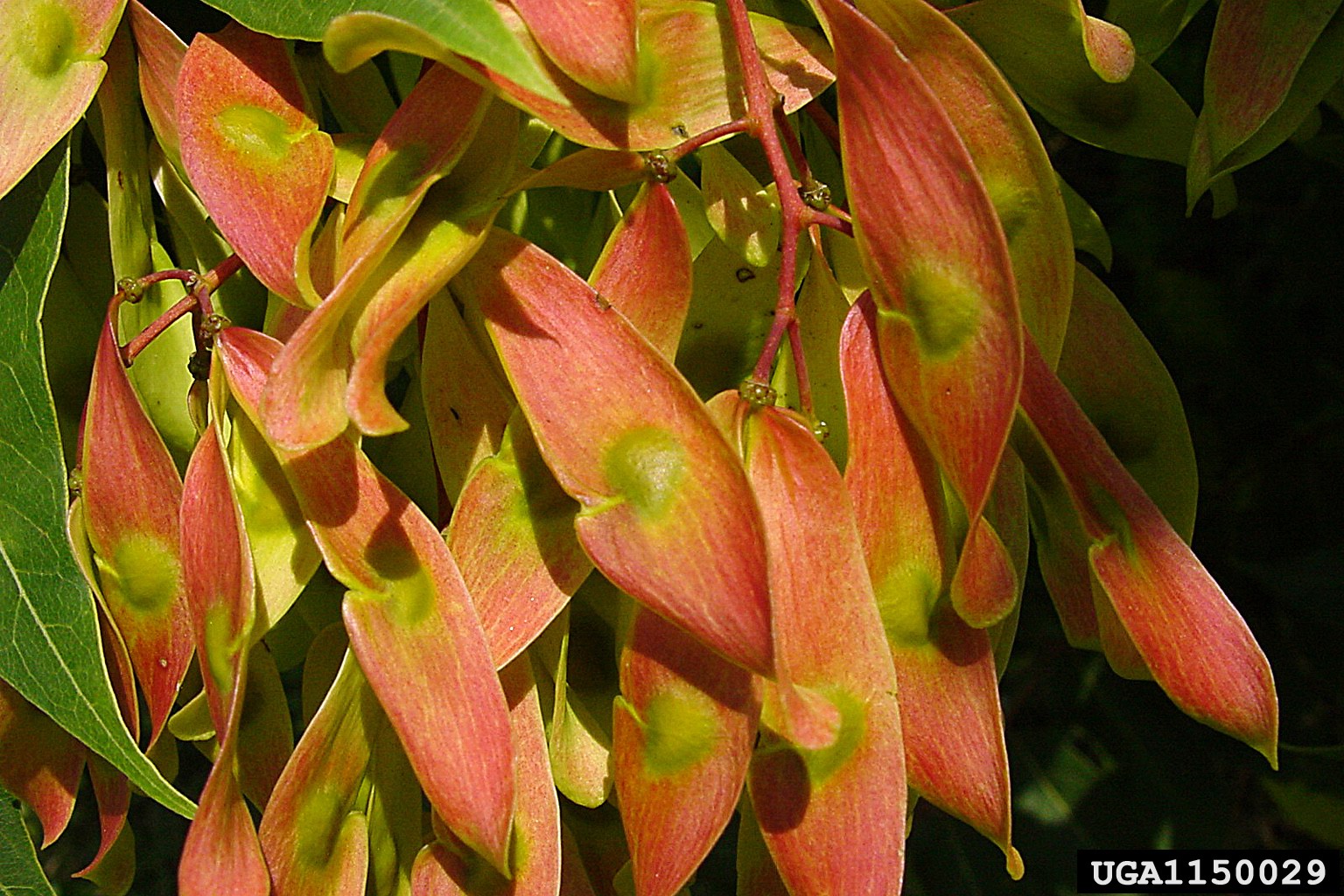
Fruits, known as samaras, have a single flat twisted wing with one rounded seed in the middle. The fruits are a tan to reddish color and, like the flowers, develop in clusters (Figure 5).
Tree-of-heaven is a prolific seed producer that can produce 350,000 seeds per year on a single mature tree. These seeds can then be dispersed via wind, water, or wildlife.
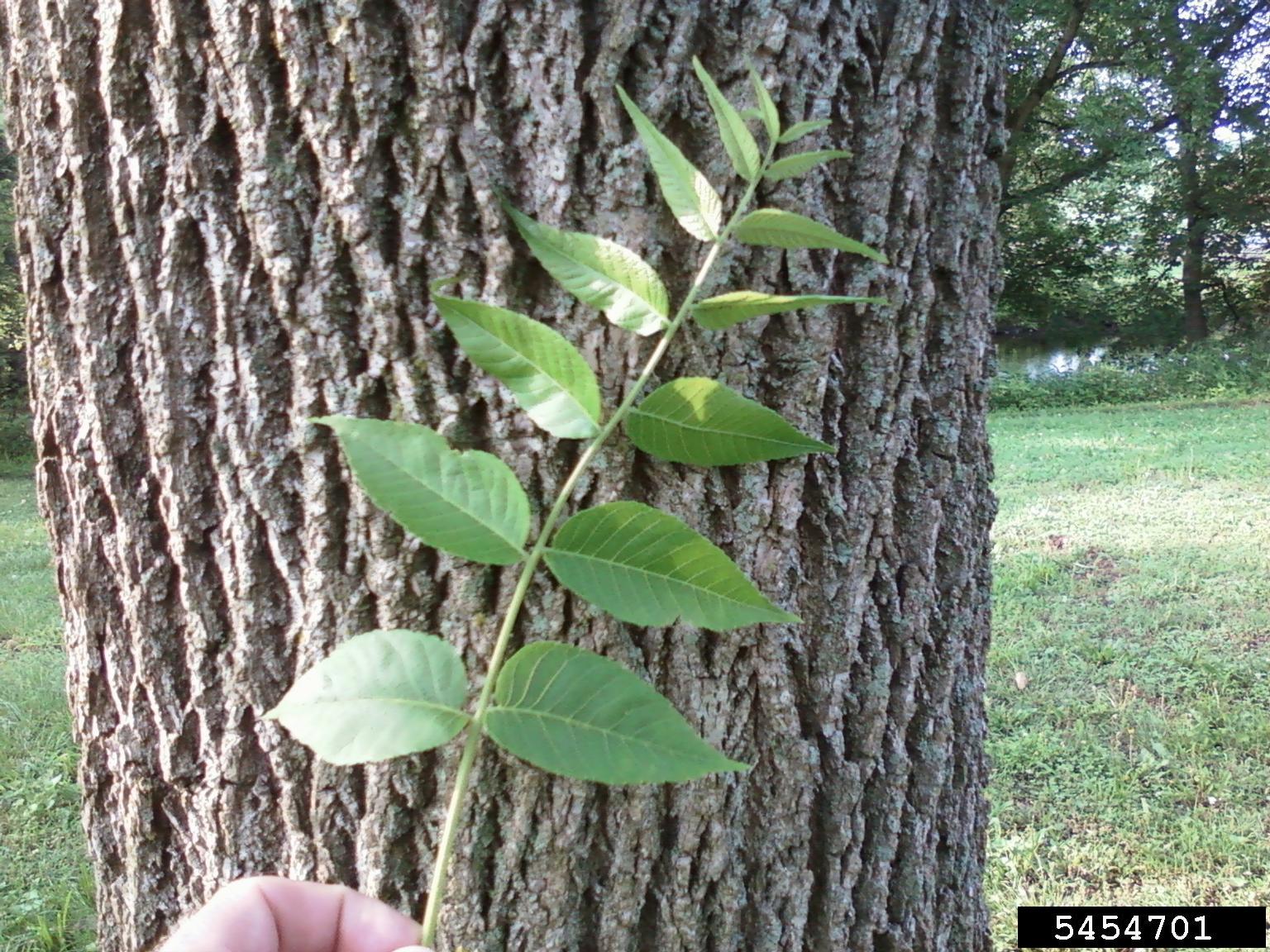
Figure 6: Black walnut leaves appear similar to tree-of-heaven leaves..
Photo by Jason Sharman, Vitalitree, bugwood.org
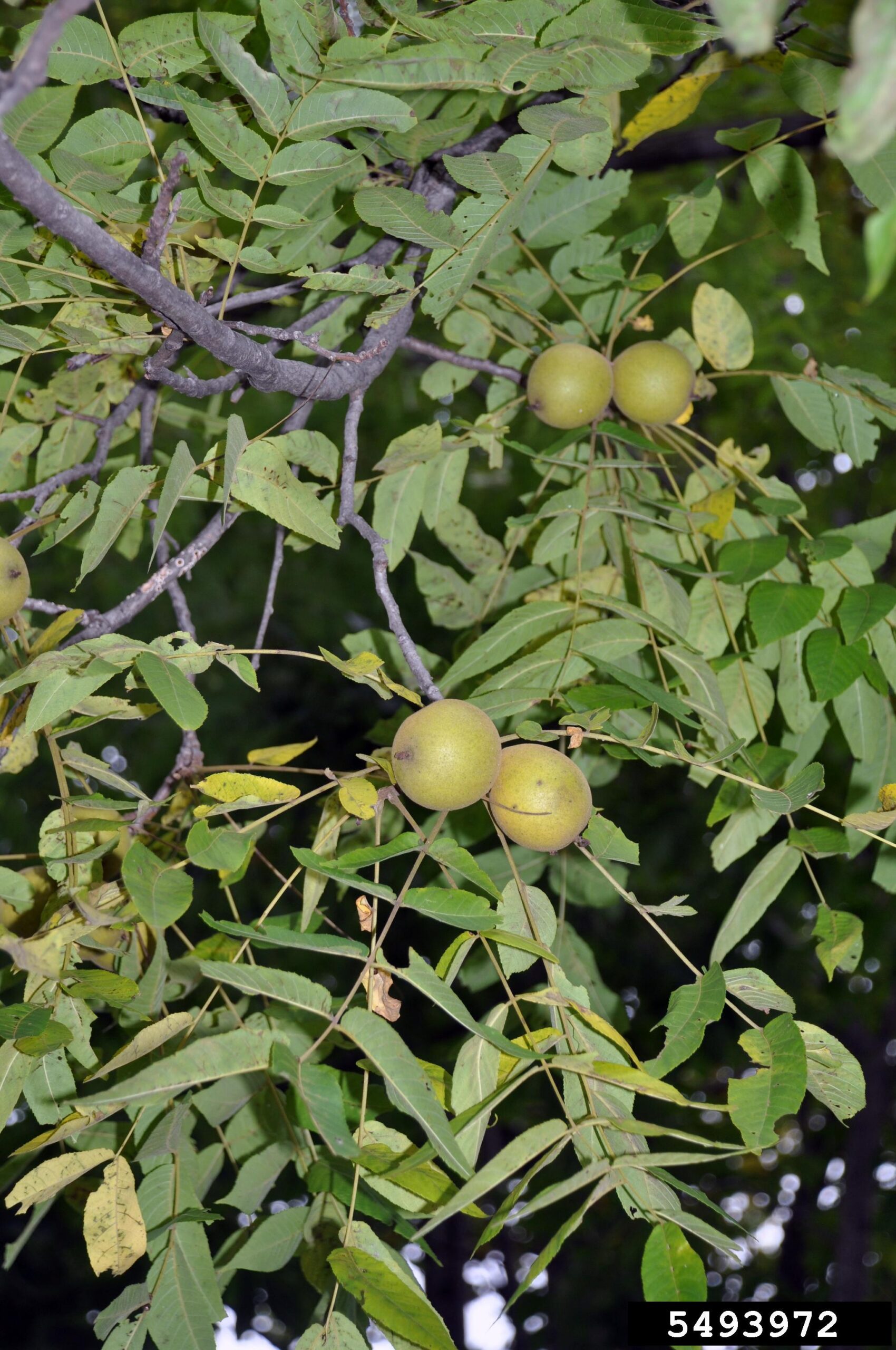
Figure 7: Black walnut fruits are large, round nuts that do not have a similar appearance to tree-of-heaven fruits.
Photo by William M. Ciesla, Forest Health Management International, bugwood.org
How to Identify Tree of Heaven Among Similar Species
Tree of Heaven and Black Walnut
Tree-of-heaven is commonly confused with black walnut and sumac, both native species in South Carolina.
Black walnut (Juglans nigra) is often mistaken for tree-of-heaven due to their similar pinnately-compound leaf structure. Unlike tree-of-heaven, black walnut leaves are shorter, ranging from 12 to 24 inches, and are finely serrated along the entire leaflet.
Black walnut bark is darker and more distinctive, with a deeply furrowed texture (Figure 6).
Black walnut fruits are large, round nuts unlike the samaras of tree-of-heaven (Figure 7).
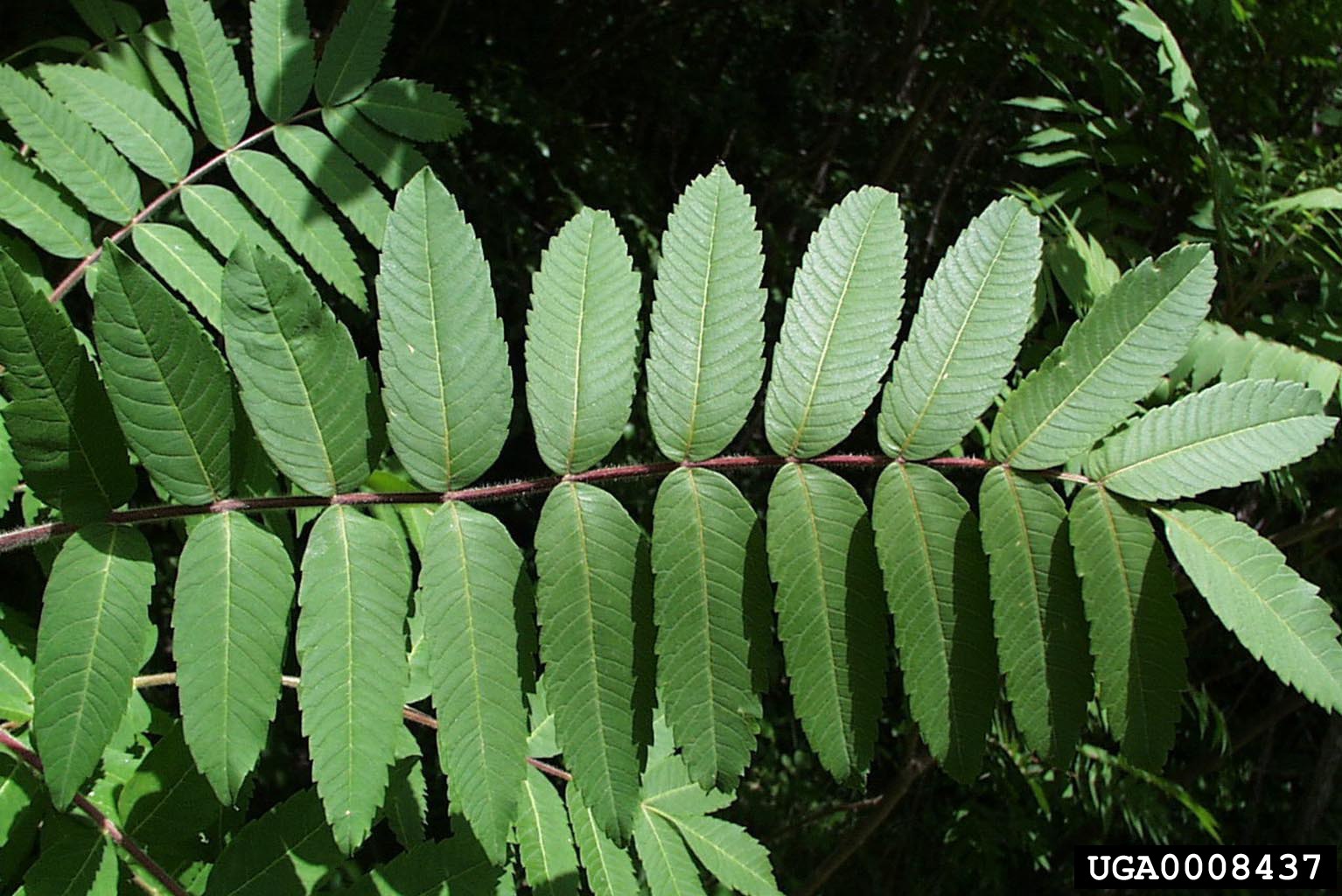
Figure 8: Staghorn sumac leaves are comprised of several leaflets and have a similar appearance to tree-of-heaven leaves.
Photo by Paul Wray, Iowa State University, bugwood.org
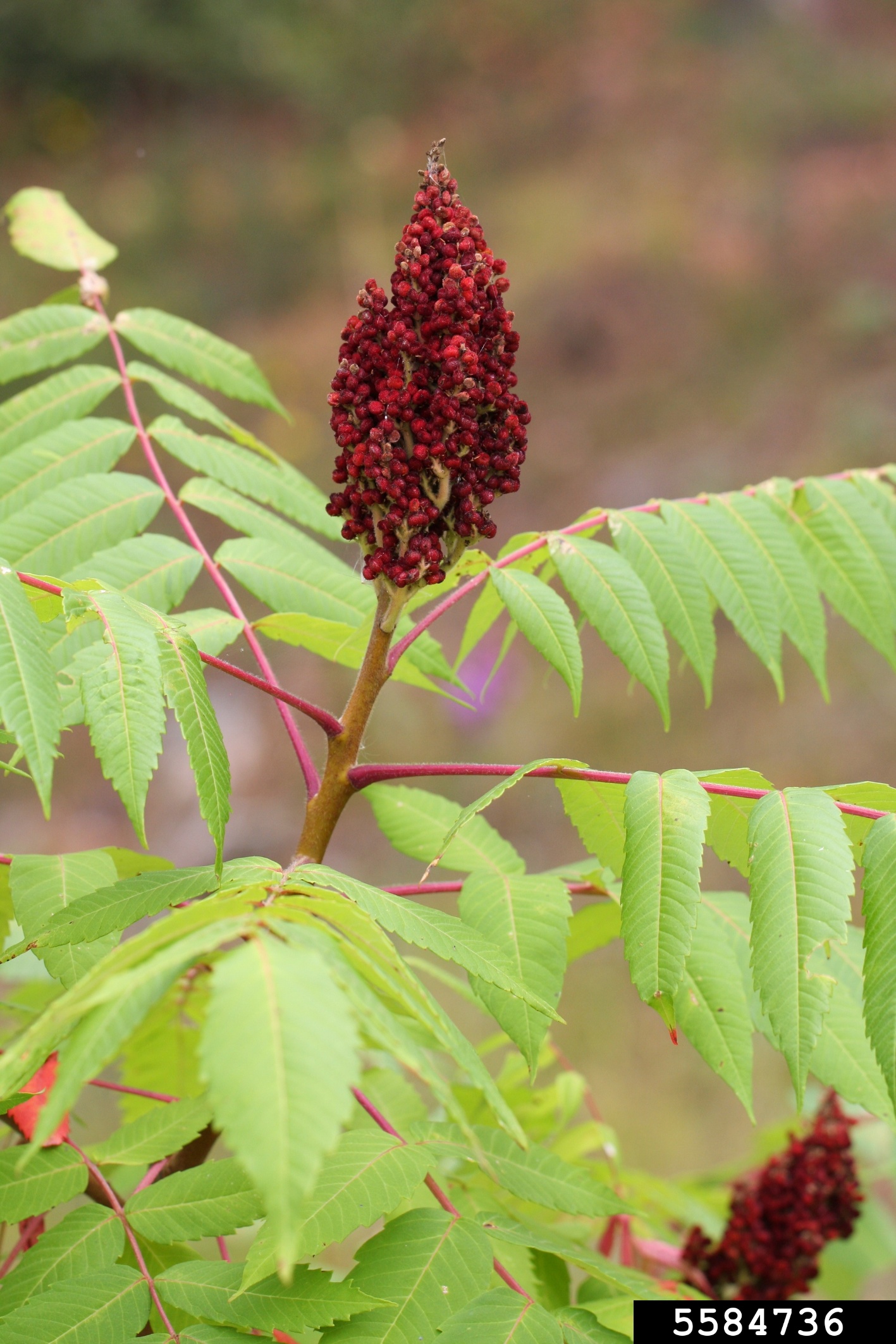
Figure 9: Smooth sumac fruits are red, fuzzy drupes that differ in appearance from tree-of-heaven.
Steven Katovich, bugwood.org
Tree of Heaven and Sumac
Staghorn sumac (Rhus typhina) and smooth sumac (Rhus glabra) can also grow in clonal thickets and have a similar pinnately-compound leaf structure.
Sumac leaves differ from tree-of-heaven due to the presence of serrations along the leaf margins, and the leaves are known to be shorter than tree-of-heaven (Figure 8).
Fruits of both sumac species are red, fuzzy drupes (Figure 9). Staghorn sumac twigs are hairy, unlike those of tree-of-heaven.
Other Tree of Heaven Look-Alikes
Species of hickory, ash, locust, and boxelder can also have a leaf structure similar to that of tree-of-heaven.
Tree of Heaven Distribution and Invasive Range
First introduced in 1784 near Philadelphia, PA, as an ornamental shade tree, tree-of-heaven is now found throughout much of the Southeast, Mid-Atlantic, Midwest, Great Plains, and West regions of the U.S.
Currently, over 30 states have tree-of-heaven listed as an invasive species.
Tree of Heaven Environmental and Human Health Impacts
Environmental Impacts of Tree of Heaven
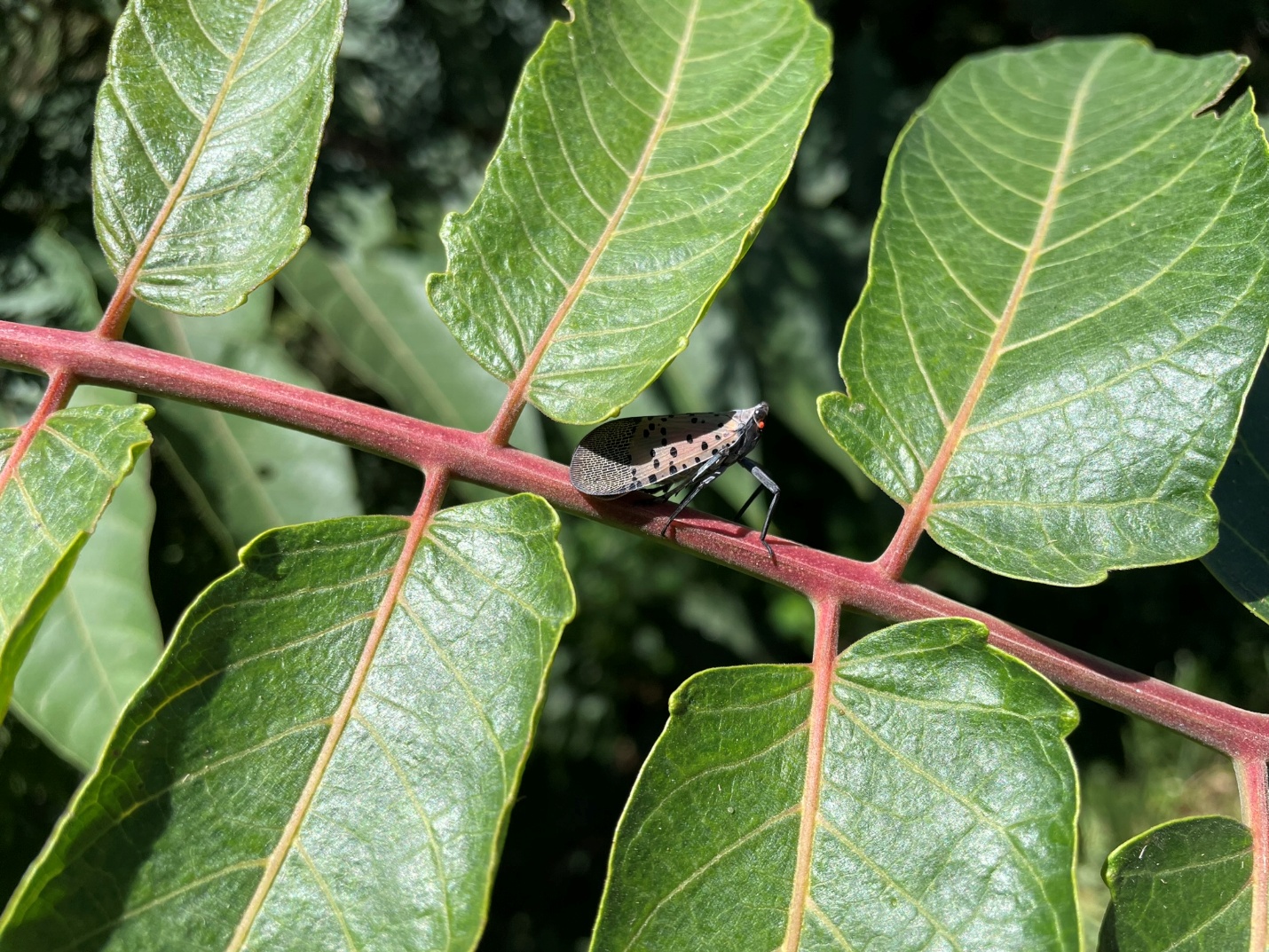
Figure 10. Adult spotted lanternfly on a tree-of-heaven leaf in Seneca, SC.
D. Coyle, ©2026Clemson Extension
Due to its rapid growth rate, ability to sprout vigorously from roots, tolerance of poor environmental conditions, and abundant reproduction by wind-blown seeds, tree-of-heaven is a prolific invader.
It can displace native species by forming dense thickets along roadsides, in disturbed areas, and in forests. It can outcompete native species for resources and release chemicals from its roots that inhibit the growth of nearby plants (this is called allelopathy).
It thrives on sites with poor soil and in areas with high pollution, allowing it to colonize the harshest of environments, both rural and urban. Trees in these areas can cause property damage due to their fast-growing root systems.
Tree-of-heaven may also impact human health by causing skin irritation and rashes in sensitive individuals.
Tree of Heaven and Spotted Lanternfly
Tree-of-heaven is a primary host plant for the spotted lanternfly (Lycorma delicatula), an invasive insect that feeds on many economically significant agricultural, horticultural, and ornamental crops and trees.
Both immature and adult spotted lanternflies feed on tree-of-heaven. The spotted lanternfly was discovered in South Carolina in 2025, and while its impacts on the state are still unknown, impacts in other states have been significant.
Tree-of-heaven is likely to contribute to the spread of this invasive pest.
Tree of Heaven Management and Control Methods
As with all invasive plants, successful management requires a combination of methods and sustained effort.
In general, the goal of tree-of-heaven management is to prevent further spread of infestations by reducing the current population and limiting seed production and dispersal.
Cultural Management for Tree of Heaven
- Cultural management practices include preventing the planting and distribution of tree-of-heaven seeds.
- Livestock will graze on tree-of-heaven, but grazing must be continuous and sustained to give any measurable control by weakening the root reserves of the plant.
- If livestock grazing pressure is removed prematurely, tree-of-heaven could recolonize rapidly.
Biological Control Research for Tree of Heaven
- A native fungus (Verticillium sp.) is being evaluated as a potential biological management tool. Inoculating tree-of-heaven with the pathogen could kill the tree with little risk to native tree species.
- Another potential biological control option is the Chinese weevil Eucryptorrhynchus brandti, which feeds on tree-of-heaven foliage and wood.
- This insect has been studied in quarantine since 2004 but has not yet been permitted for management, as risks to other trees and plants are still being determined.
Mechanical Control for Tree of Heaven
- Mechanical control methods include the removal of young seedlings by hand pulling or digging, particularly after rainfall events. There is no size limit for the trees being removed – it just depends on the person’s capabilities. Note that nearly all the root must be removed, or else the tree will resprout.
- If using these tactics, care must be taken to remove the entire root, as any roots left behind can resprout.
- Simply cutting down tree-of-heaven will not kill it, as it readily resprouts from the roots. Stump treatment with herbicide is necessary to prevent resprouting.
- Repetitive, regular mowing over several years can eventually deplete the established root systems of tree-of-heaven; however, consistency is key to success using this management tactic.
- Prescribed fire proves unsuccessful in management of tree-of-heaven as it results in heavy sprouting and rapid regrowth.
Chemical Control for Tree of Heaven
- Herbicides with the active ingredient glyphosate, triclopyr, and imazapyr provide effective control of tree-of-heaven.
- These herbicides can be applied to the leaves (i.e., as a foliar application) during the growing season, as well as to stems and stumps (i.e., as a hack-and-squirt or cut stump treatment) from summer through winter.
- Basal bark sprays can be effective at killing small trees, but this method can be labor-intensive in well-established, dense thickets of tree-of-heaven (treatments to stems and stumps can prove labor-intensive for the same reasons).
- Specific chemical management recommendations can be found here or by contacting a local Clemson Extension office.
- When applying any pesticides, remember that the label is the law; apply pesticides safely, and use proper personal protective equipment.
Additional Resources
- Current reported tree-of-heaven distribution map
- Clemson Extension Herbicide How-To Videos: https://www.clemson.edu/extension/forestry/media/herbicide-how-to.html
- Kasson, M.T., Davis, M.D., Davis, D.D. 2013. The invasive Ailanthus altissima in Pennsylvania: a case study elucidating species introduction, migration, invasion, and growth patterns in the northeastern US. Northeastern Naturalist 20(m10), 1-60.
- Soler J, Izquierdo J. 2024. The invasive Ailanthus altissima: a biology, ecology, and control review. Plants, 13(7):931.
Originally published 11/26


