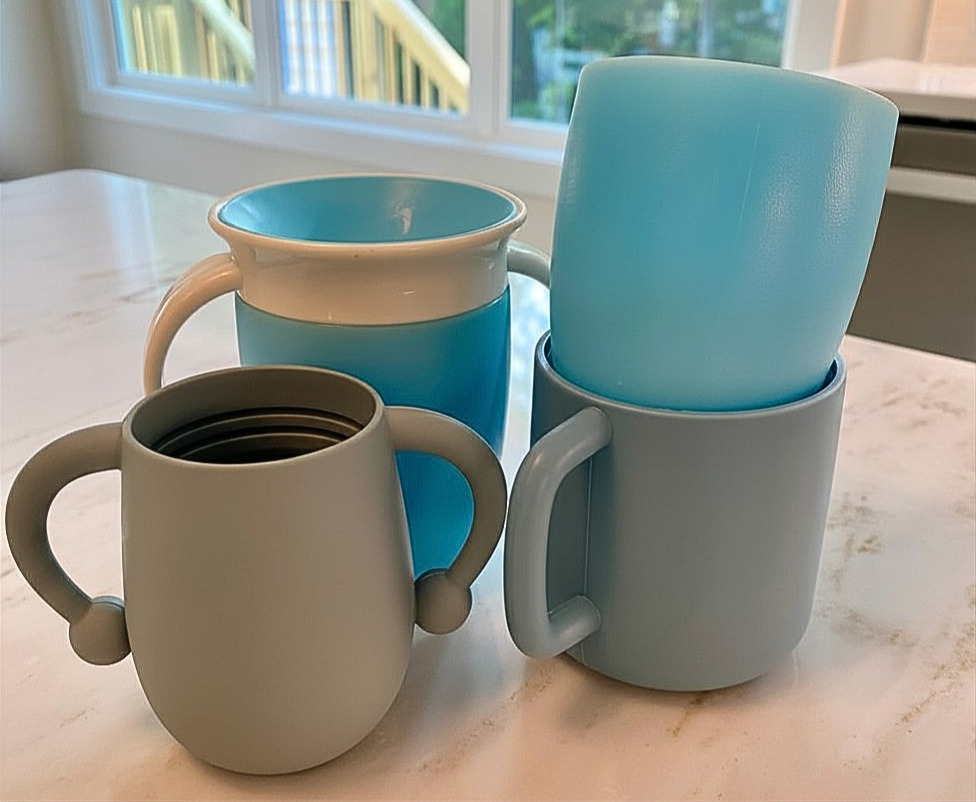
What young children drink will directly impact their eating habits in adulthood.
Hannah Shifflette, ©2026, Clemson Extension
As every parent knows, with parenting comes advice, and a lot of it. Advice on how to get the baby to sleep. Advice on how to give the baby a bath. And perhaps most of all, advice on how to feed the baby. It comes from every direction, most often from family and frequently from complete strangers without children. Sometimes this well-intended advice is accurate and is followed by “because the American Academy of Pediatrics recommends it”. But sometimes it is not so good and is supported with rationale like “because I fed it to my child, and they turned out just fine”.
Led by Healthy Eating Research, experts from the Academy of Nutrition and Dietetics, American Academy of Pediatrics, American Academy of Pediatric Dentistry, and American Heart Association agreed on the following guidance for young children’s beverages:
- 0-6 months: Breast milk or infant formula are the only appropriate beverage for babies to ensure hydration and nutrition needs are met.
- 6-12 months: In addition to breast milk or infant formula, 4-8 oz water per day may be given in a cup at mealtime once solid foods are being introduced. It is best for children under 1 not to drink juice.
- 12-24 months: Breast milk may still be offered if desired by the mother and child. Cow’s milk may also be introduced at 1 year old (2-3 cups per day). Whole cow’s milk is recommended due to the fats benefiting brain development. If juice is offered, choose 100% fruit juice and limit intake to 4 oz per day.
- 2-5 years: Water and plain pasteurized low-fat (1%) or fat-free milk are recommended for most children of this age. If juice is offered, choose 100% fruit juice and limit intake (4 oz per day for children age 3, or 6 oz per day for ages 4–5).
These experts also recommend all children, five and younger avoid:
- Flavored milks: Milks such as strawberry or chocolate flavored, typically contain large amounts of added sugars that are not recommended for young children. Consuming added sugars in childhood can contribute to dental caries and other health problems such as obesity and diabetes.
- Toddler formulas: Also referred to as “toddler milks”, are heavily marketed and generally unnecessary for healthy children. Toddler formulas often contain added sodium, and sugars, and are also not recommended as a strategy for addressing picky eating.
- Caffeinated beverages: This includes soda, coffee, tea, and energy drinks, which could cause children to experience side effects including anxiety, dehydration, sleep disruptions, tremors, and upset stomach.
- Artificially sweetened drinks: There is currently not enough evidence to determine the potential long-term health impacts of drinking low/zero- calorie sweetened beverages at a young age, so it is safest to avoid them.
- Non-dairy milks: From a nutrition standpoint, fortified unsweetened soy milk is the closest non-dairy alternative to cow’s milk, and is the general recommendation if dairy cannot be consumed. Other milks including almond, rice, cashew, oat, and coconut may lack adequate nutrients and are typically only recommended due to certain medical/dietary indications. The use of alternative milks should be discussed with the child’s pediatrician and a registered dietitian.
The Overall Message
Breastmilk, infant formula, unflavored milk, or water. Anything else does not help to foster healthy eating habits and could have potentially harmful effects.
For more information regarding these recommendations and choosing healthy beverages for young children, visit www.healthydrinkshealthykids.org.
Sources:
- Kim, R. (2023, December 27). The young and the restless: Why kids should avoid caffeine. Cleveland Clinic. https://health.clevelandclinic.org/is-caffeine-bad-for-kids
- Healthy Eating Research. (n.d.). Healthy Drinks Healthy Kids. https://healthydrinkshealthykids.org
Originally published 07/26