Coastal Region – Glen Payne
- Cold weather has settled in across the Savannah River Valley, and cold damage to citrus plants can be seen in damaged foliage and snow on the ground. It is important to protect the rootstock from freezing so that the citrus trees can recover as ground temperatures warm up. Blankets, pool noodles, & mulch are items that can be placed where the graft is near the soil line to protect against freezing. For more information, see HGIC blog, Cold Tolerance in Citrus.
- Inspect inside irrigation clocks to ensure that insects such as roaches, nuisance fire ants, and the occasional reptiles haven’t built a home on the irrigation transformer using it as a heat source during the cold. Removal of critters will prevent the electrical system from shorting out when needed in the upcoming spring. For more information, see HGIC 1815, Landscape Irrigation Equipment Part 6: Timers & Controllers.
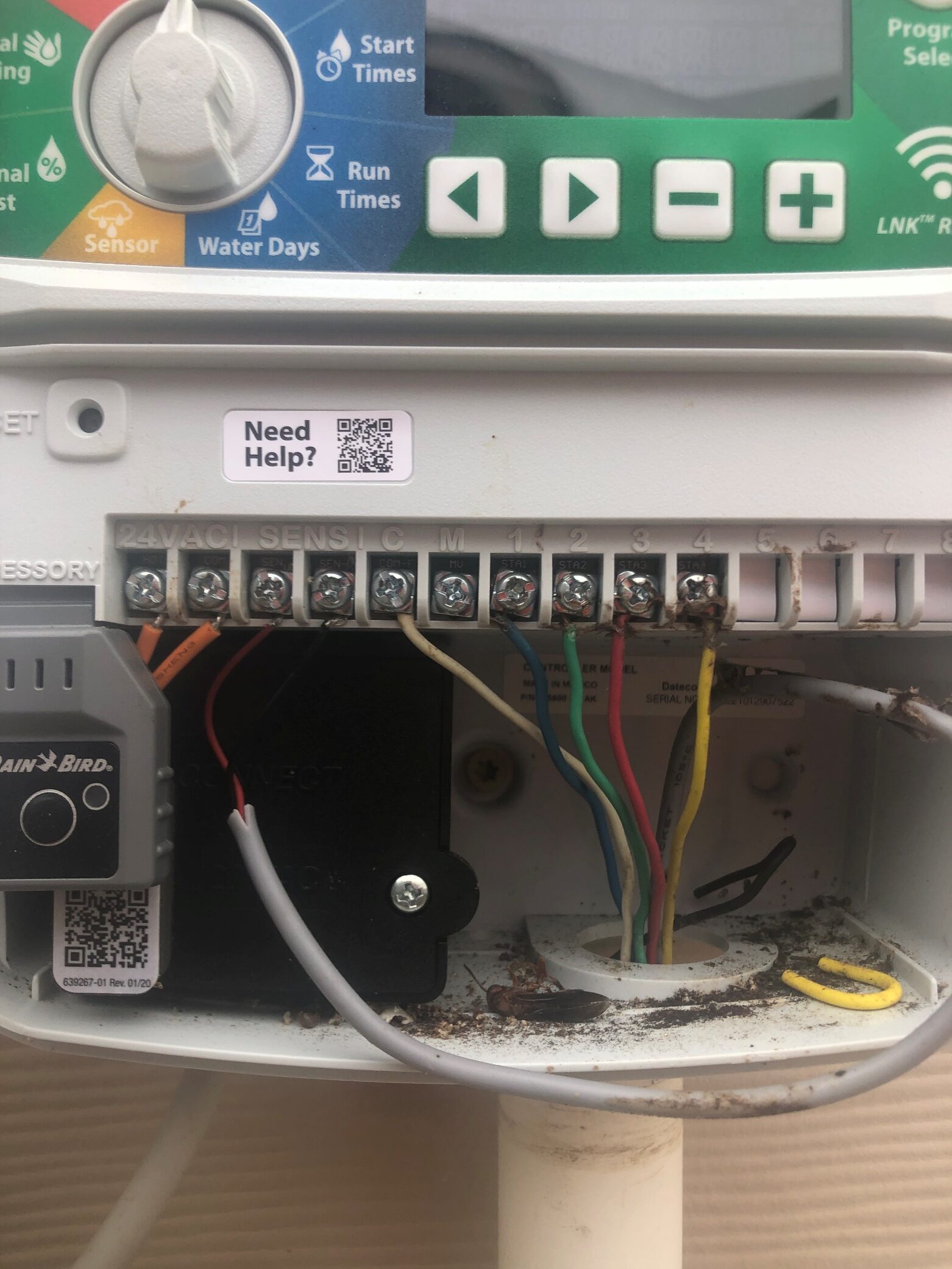
Clean insects out of irrigation control box.
Glen Payne, ©2026, Clemson Extension
- Inspect the Ground Fault Indicator (GFCI) receptacles that exterior irrigation controllers are plugged into and verify that the reset button works as winter cold damage can knock out the electrical service to the house tripping circuit breakers.
- Mulch installed in late fall/ early winter correctly will prevent winter weeds from growing, keep soil warm for plant roots, & prevent soil compaction.
- Soil samples are currently being conducted and dropped off at the local extension offices for analysis at the Agricultural Laboratory. Standard samples detect soil pH, deficient & excessive nutrients in the soil to include 2 macro-nutrients & 8 micronutrients. Results take approximately 2 weeks to receive. For more information on soil testing, see Clemson Agricultural Service Lab: Soil Testing.
- Vegetable Gardens are seeing the last of the harvest of Cole crops planted in early/ mid fall (collards, kale, spinach, cabbage, & lettuce mixes) are beginning to stop production as the weather has become frosty for over 2 weeks and snowfall interrupted production.
- Annuals planted as winter display to include pansies, violas, snapdragons, mustards, brassicas & Swiss chard are currently stunted due to the fast-moving cold front but can benefit from being maintained having spent and cold damaged blooms removed to prevent diseases as temperatures quickly warm back up.
- Once cold weather bears down along the coast time can be taken to plan for the upcoming spring garden. Take time to review what worked last year, what will be planted this year, and what needs to be corrected according to the soil results.
Midlands Region – Carmen Ketron
Leave Snow on the Ground; It’s Working for You
- When there is snowfall and ice like this in February, resist the urge to clear it from garden beds and lawns. Snow acts as a natural insulating blanket, protecting plant roots, perennials, and bulbs from the rapid temperature swings our region is known for in winter.
- Once the snow melts, walk your landscape and look for signs of damage. Check for frost heaving roots that have been pushed up out of the soil by freeze-thaw cycles and press them back down, or add a layer of mulch to re-cover them.
- Prune any broken or cracked branches with clean cuts to prevent disease entry.
- If you walked on snow-covered beds, gently loosen any compacted soil to restore aeration.

Leaving snow as an insulator for perennial plants.
Carmen Ketron ©2026, Clemson Extension
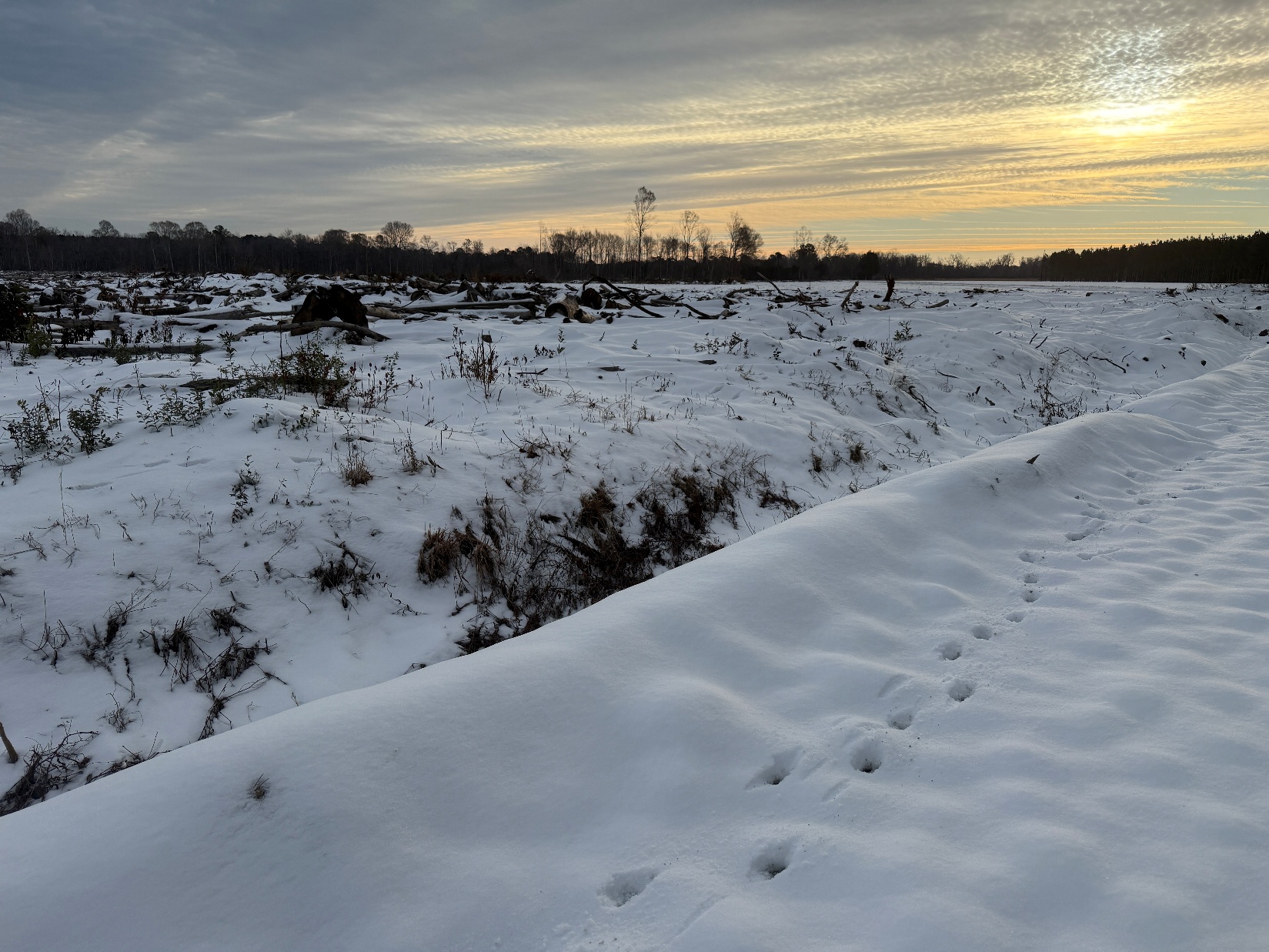
Snow covered fields are best left untouched and untrampled to prevent compaction.
Carmen Ketron ©2026, Clemson Extension
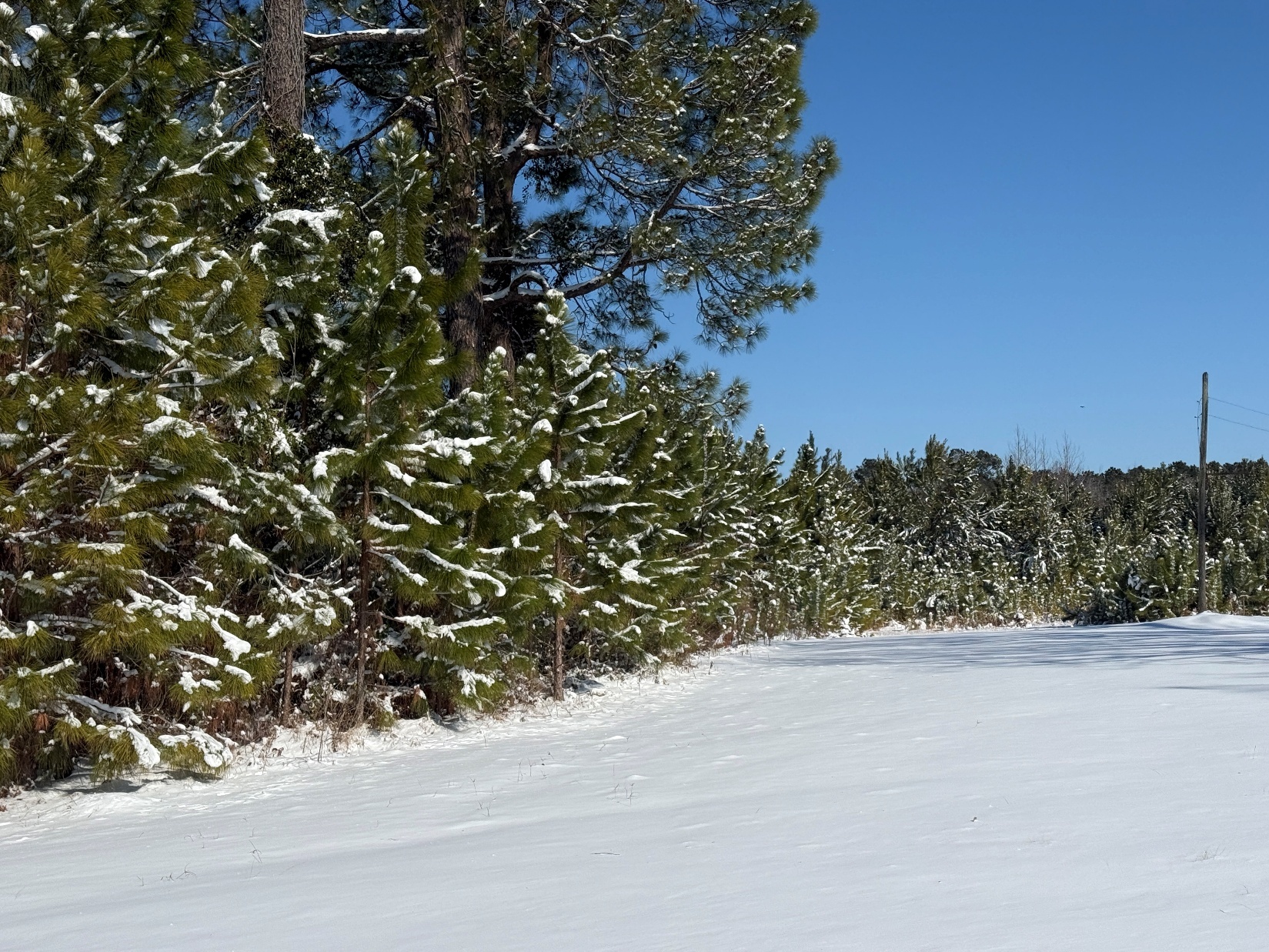
Fluffy snow on pine limbs
Carmen Ketron ©2026, Clemson Extension
Think Twice Before Using Salt or Deicers Near Plants
- When clearing walkways and driveways, be mindful of where salt and chemical deicers end up. Salt spray and runoff can damage roots, burn foliage, and alter soil chemistry in adjacent garden beds.
- Use sand or kitty litter for traction near planted areas instead, and once the ice event is over, water the edges of beds to help flush any salt that may have reached the root zone.
Start Preparing Lawns Later in February
- Take the opportunity to get a soil test and lime if necessary. Lime takes a few weeks to work in the soil, so the sooner it is checked and corrected, the better.
- The end of February brings preemergence herbicide applications for lawns. Don’t set a date; watch for four consecutive days of 65 to 70ºF, indicating that spring weeds will begin germinating.
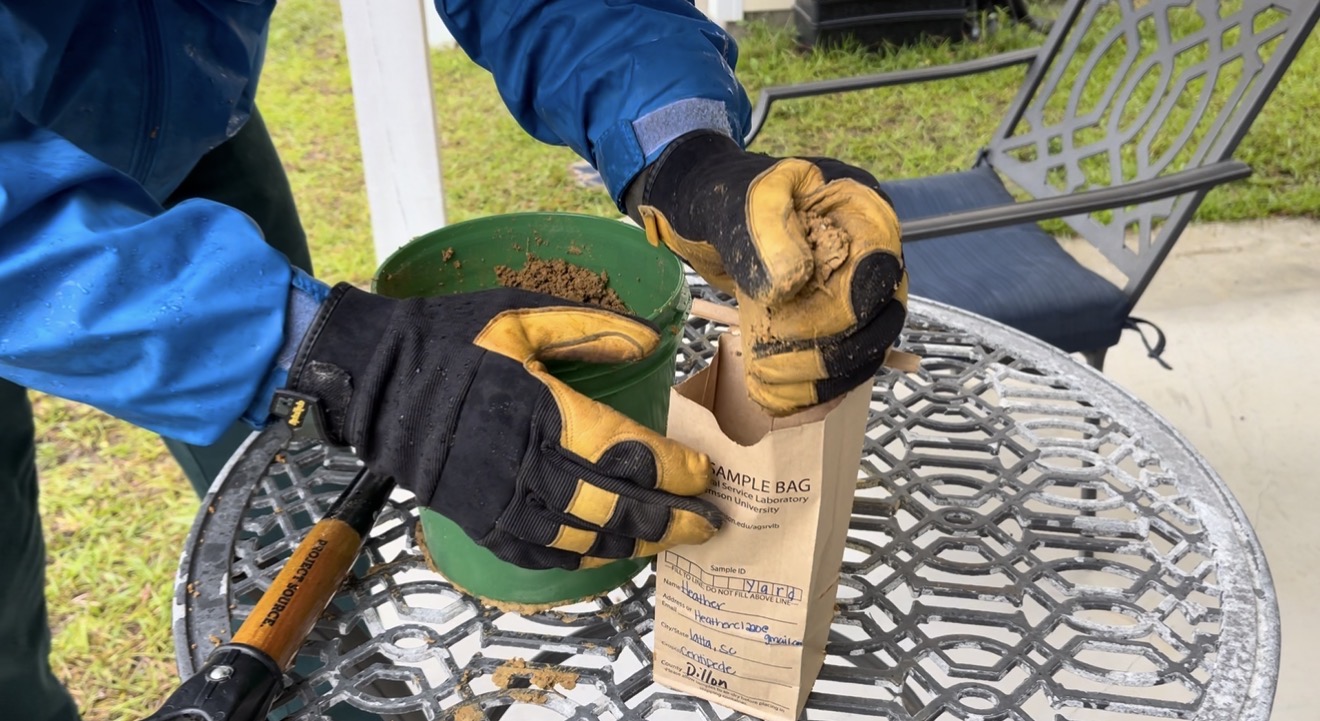
Preparing a soil sample.
Carmen Ketron ©2026, Clemson Extension
Upstate Region – Jordan Franklin
February, when winter begins to fade and early signs of spring appear, is a good month to start preparing the yard and garden for the coming growing season.
Pruning Trees and Shrubs in February (Upstate)
Which Plants to Prune Now
February is a good time to prune many ornamental and fruit trees, shrubs, and vines. Dormant pruning improves plant shape and allows better air circulation and sunlight to reach the branches.
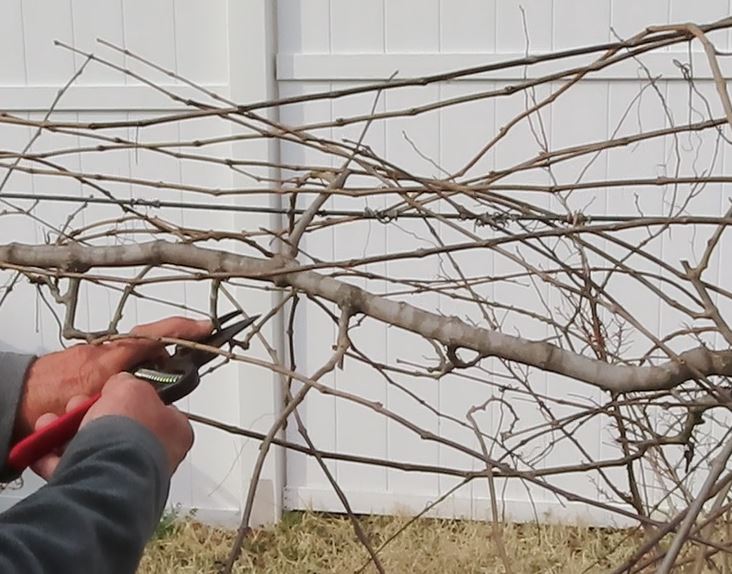
Muscadine vine being pruned.
Paul Thompson, ©2021, Clemson Extension
Prune:
- Ornamental trees and shrubs that bloom after May 1
- Fruit trees, shrubs, and vines that produce fruit on current-season growth
Which Plants Not to Prune Yet
Pruning some plants at the wrong time removes flower buds and reduces spring flowering.
Do Not Prune:
- Spring-blooming shrubs (such as azalea, forsythia, and camellia)
- Any plant that blooms before May 1
Perennials and Ornamental Grasses
Cut back old growth from flowering perennials and ornamental grasses before new growth starts.
Removing old plant material improves the garden’s appearance and helps reduce insects and disease pathogens that may survive in last year’s debris.
For more information about how and when to prune, visit the Clemson Extension HGIC pruning resources.
Winter Lawn Care in February (Upstate Lawns)
Lawn care timing in February depends on the grass type.
Tall Fescue Lawns
- February is the last month to fertilize
- March 15 is the cut-off date
- Fertilizing after March 15 increases summer disease risk
Warm-Season Lawns
- Do not fertilize bermudagrass, centipedegrass, or zoysiagrass yet
- These grasses are still dormant
- Fertilize in early May after green-up begins
- Early fertilization can cause cold damage
Preventing Summer Weeds
When to Apply Pre-Emergent Herbicide
Late February is a good time to apply pre-emergent herbicides to prevent summer weeds in both cool- and warm-season lawns.
Avoid Weed-and-Feed Products
Warm-Season Lawns
- Do not use weed-and-feed products
- Weed control is needed now
- Fertilization should wait until May 1
- Weed-and-feed can damage these grasses
Tall Fescue Lawns
- Pre-emergent weed and feed products may be used in February.
Timing pruning, fertilization, and weed control correctly in February helps prevent problems and supports healthy growth later in the season.