
Whether you’re taking a walk around your neighborhood, attending a fitness class, lifting weights, playing with your kids at the park, or competing in a competition, everyone benefits from a well-balanced diet.
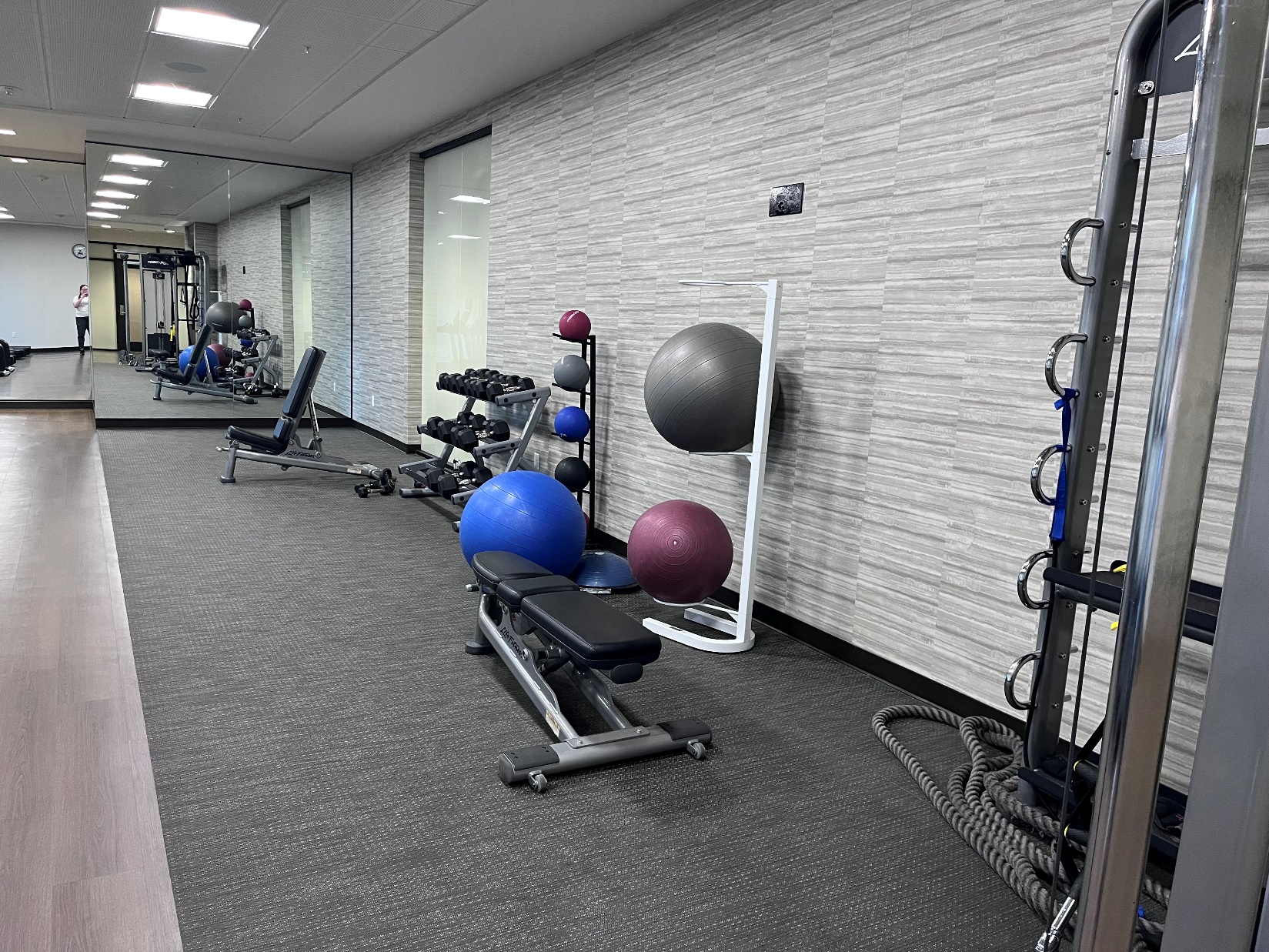
“Fuel your workout, wherever you are. A hotel gym makes it easy to stay active while traveling. Just remember that smart nutrition before and after exercise matters, too.”
Photo Credit: RHN Team Picture Bank
What you eat before and after physical activity can help you feel energized, support recovery, and make the most of your movement. The good news is that you don’t need expensive supplements or specialty foods. Healthy eating for physical activity can be simple, affordable, and built around everyday foods recommended by the United States Department of Agriculture.
Why Food Matters for Physical Activity
Think of food as fuel for your body. Before a workout, your body needs energy to keep you moving. After exercise, the body needs nutrients to repair muscles and replace the energy you’ve used.
Choosing balanced meals and snacks can help you:
- Increase your energy during physical activity.
- Support muscle recovery.
- Prevent low blood sugar.
- Reduce hunger after exercise.
- Stay hydrated.
- Build healthy habits that fit your budget.
What to Eat Before a Workout
Eating a small meal or snack 1 to 3 hours before exercise can provide your body with the energy it needs. Focus on foods that contain carbohydrates, along with a small amount of protein.
Carbohydrates are found in foods such as:
- Breads and grains
- Fruits
- Vegetables
- Dairy foods
Proteins is found in foods such as:
- Meat
- Poultry
- Fish
- Egg
- Nuts
- Beans
- Milk
Consuming protein before your workout provides your muscles with readily available amino acids to prevent muscle breakdown during exercise and sustain energy levels.
Budget-Friendly Pre-Workout Ideas
- A banana with a spoonful of peanut butter
- Whole-grain toast with peanut butter
- Greek yogurt with fruit
- Oatmeal topped with sliced apples or raisins
- Whole-grain crackers with low-fat cheese
- A small turkey sandwich on whole-wheat bread
If you’re exercising first thing in the morning and don’t have time for a full meal, a piece of fruit or a few whole-grain crackers can provide quick energy.
Avoid eating large, heavy meals right before exercising, as they may leave you feeling uncomfortable.
What to Eat After a Workout
After physical activity, your body benefits from both carbohydrates and protein. Carbohydrates help replace the energy you used, while protein supports muscle repair and recovery.
Aim to eat a meal or snack within about two hours after exercising, especially if your workout was longer or more intense.
Budget-Friendly Post-Workout Ideas
- Chocolate milk.
- Greek yogurt with fruit.
- Tuna or chicken salad on whole-grain bread.
- Rice and beans.
- Scrambled eggs with whole-wheat toast.
- Cottage cheese with peaches or pineapple.
- Leftover grilled chicken with vegetables and brown rice.
These meals don’t have to be complicated. Using leftovers is an easy way to save both time and money.
Hydrate Before, During, and After Exercise
Staying hydrated is just as important as eating well. The goal is to minimize dehydration without over-drinking.
Follow these simple hydration tips:
- Drink water before you begin exercising.
- Sip water during activity, especially if you’re active for more than 30 minutes or exercising in hot weather.
- Drink water after your workout to replace fluids you’ve lost through sweat.
For most people, water is all that’s needed. Sports drinks are generally unnecessary unless you’re participating in prolonged, vigorous activity lasting more than an hour.
Healthy Eating Does Not Have to Be Expensive
Nutritious foods that support an active lifestyle can fit almost any budget.
Try these money-saving tips:
- Buy fruits and vegetables that are in season or choose frozen options without added sauces or sugar.
- Purchase store-brand whole grains, canned beans, and peanut butter.
- Plan meals to reduce food waste.
- Prepare snacks at home instead of buying packaged convenience foods.
Build Healthy Habits One Step at a Time
Remember, every healthy choice counts. You don’t need a perfect meal before or after every workout. Choosing balanced foods most of the time can help you feel your best and support your health goals.
Whether you’re just beginning your physical activity journey or staying active every day, fueling your body with nutritious, affordable foods is one more way to invest in your health.
Simple Takeaway
- Your body needs carbs to fuel your working muscles.
- Protein helps build and repair your muscles.
- Get a combination of carbs and protein in your body one to three hours before your workout and within two hours after your workout.
- Choose balanced meals that include whole foods, and limit highly processed foods and added sugars.
References
- Hermann, Janice R. Nutrition for Physical Activity and Athletics. Oklahoma State University Extension, Oct. 2019, https://extension.okstate.edu/fact-sheets/nutrition-for-physical-activity-and-athletics Accessed 2 July 2026.
- United States Department of Agriculture and United States Department of Health and Human Services. Dietary Guidelines for Americans, 2025-2030. Jan. 2026, https://cdn.realfood.gov/DGA.pdf Accessed 2 July 2026.
- Mohr, Christopher R. “Timing Your Pre- and Post-Workout Nutrition.” EatRight.org, Academy of Nutrition and Dietetics, 19 Sept. 2019, reviewed 23 July 2024, https://www.eatright.org/fitness/physical-activity/exercise-nutrition/timing-your-pre-and-post-workout-nutrition Accessed 2 July 2026.


