
Springtails (Collembola) in South Carolina: Identification and Management
Springtails live in moist soil, leaf litter, and other habitats. Learn when they affect plants, why they enter homes, and how to reduce them.
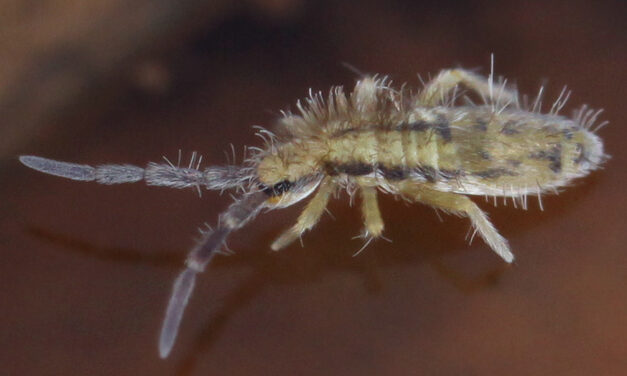
Springtails live in moist soil, leaf litter, and other habitats. Learn when they affect plants, why they enter homes, and how to reduce them.
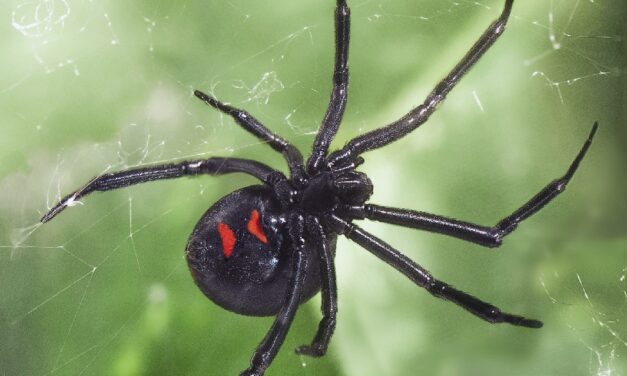
Identify southern black, northern black, and brown widow spiders, understand where they live and the risks of bites, and learn how to reduce encounters.

Daddy longlegs are beneficial harvestmen, not true spiders. Learn identification, habits, myths, and management tips for South Carolina.

Moth flies, also called drain flies, are common nuisance pests. Learn where they breed and how to eliminate infestations effectively.
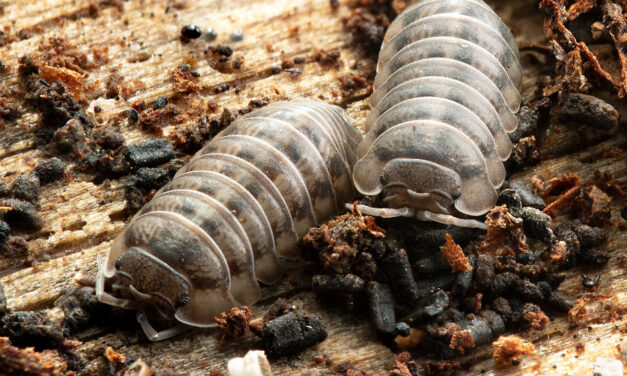
Sowbugs and pillbugs are beneficial decomposers but can occasionally become pests in gardens and homes. Learn identification and control tips.

Growing large shrub and tree junipers (Juniperus spp.) in the Southeast, including care, spacing, pests, and top cultivars for screening and landscape use.
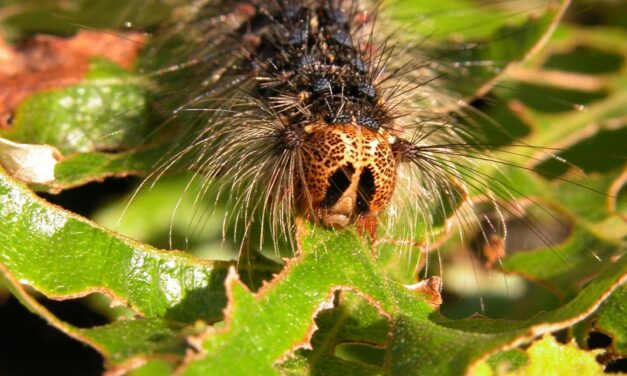
Learn how to identify the spongy moth, understand its life cycle and damage, and find out how to prevent its spread and report sightings in South Carolina.
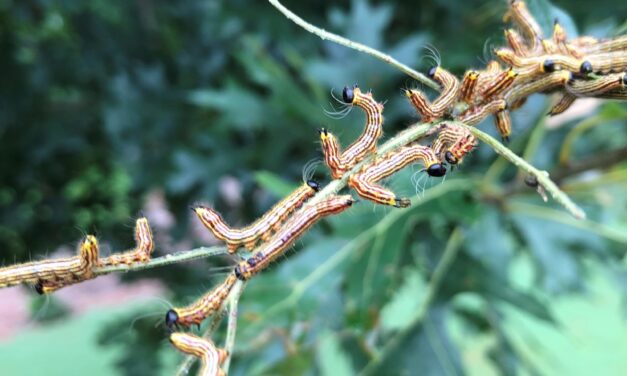
Learn how to identify yellownecked caterpillars, the plants they feed on, and when management is needed in South Carolina landscapes and fruit trees.

Juniper groundcovers and shrubs provide year-round color and durability. Explore care tips, landscape uses, and recommended cultivars for the Southeast.
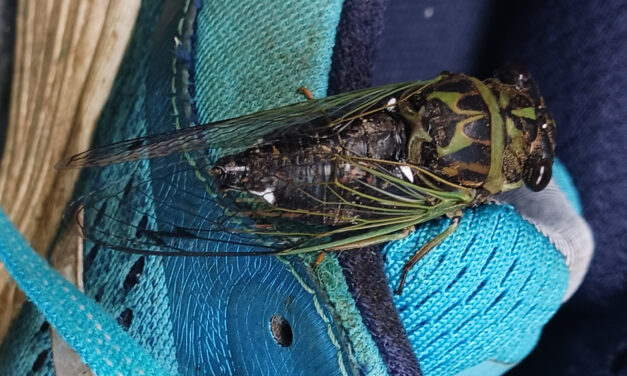
Explore cicada identification, life cycle, and management tips for homeowners and gardeners in South Carolina.

Spot, manage, and report the invasive spotted lanternfly.
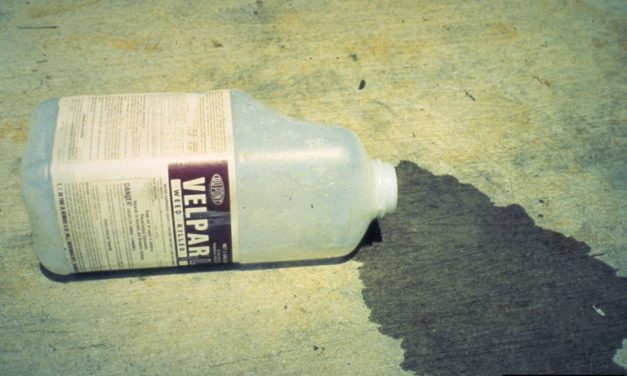
Follow these steps to contain and clean up pesticide spills properly.