
Azalea and Rhododendron Insect Pests in South Carolina
Learn to identify common azalea and rhododendron pests and manage them using integrated pest management and labeled pesticides when needed.
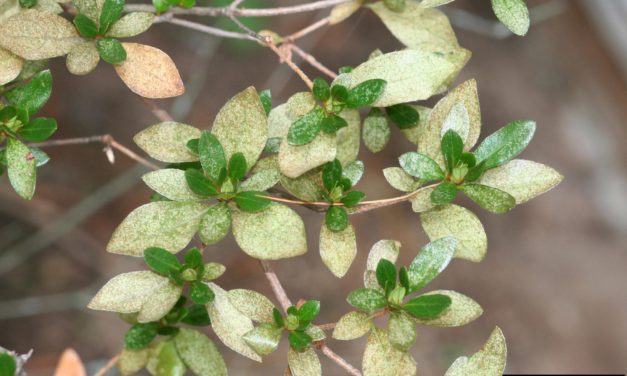
Learn to identify common azalea and rhododendron pests and manage them using integrated pest management and labeled pesticides when needed.
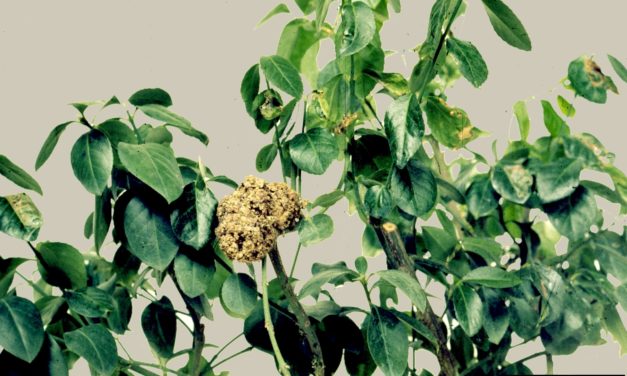
Learn how to identify, prevent, and manage the most common diseases and insect pests affecting euonymus in South Carolina, including powdery mildew, anthracnose, crown gall, and euonymus scale.
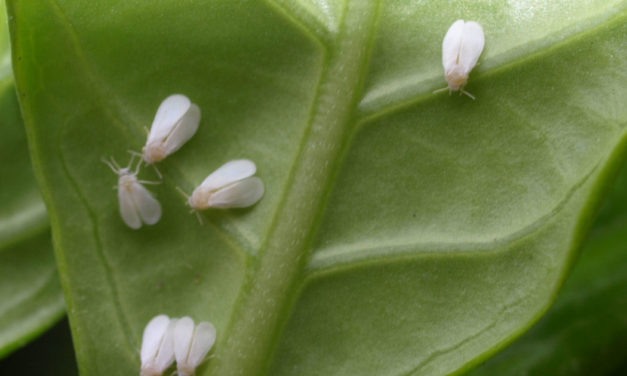
Learn to identify common insect pests and spider mites on gardenias, recognize the symptoms they cause, and manage infestations using integrated pest management (IPM) practices.
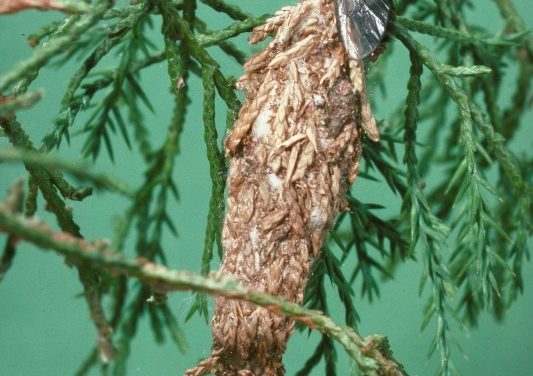
Evergreen bagworms can cause severe damage to conifers if left unmanaged. Learn how to identify infestations, monitor seasonal activity, and use integrated pest management strategies for effective control.
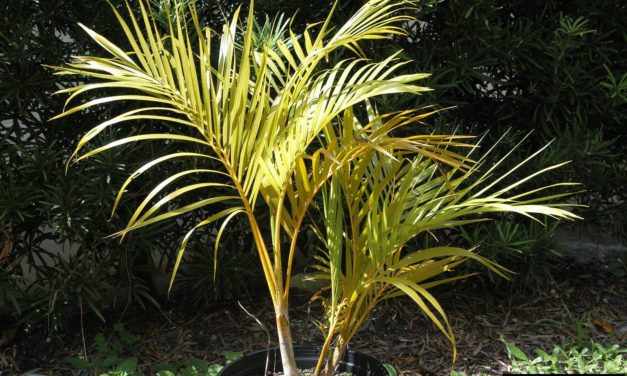
Identify common palm diseases and nutrient deficiencies and learn effective prevention and management practices for South Carolina landscapes.
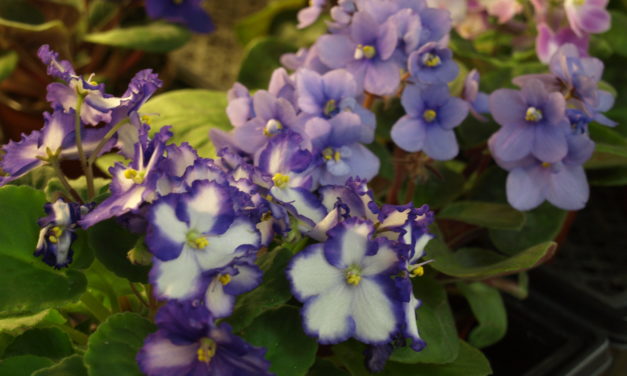
Protect African violets from common diseases and insect pests with Clemson Extension recommendations for identification, prevention, and control.

Daddy longlegs are beneficial harvestmen, not true spiders. Learn identification, habits, myths, and management tips for South Carolina.

Moth flies, also called drain flies, are common nuisance pests. Learn where they breed and how to eliminate infestations effectively.
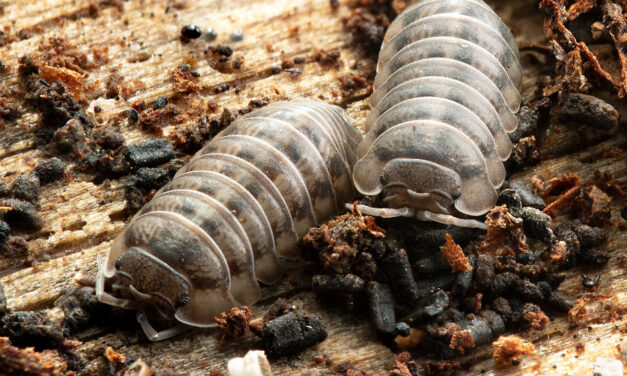
Sowbugs and pillbugs are beneficial decomposers but can occasionally become pests in gardens and homes. Learn identification and control tips.

Learn how to identify and manage common pansy diseases, insect pests, and environmental problems in South Carolina landscapes.
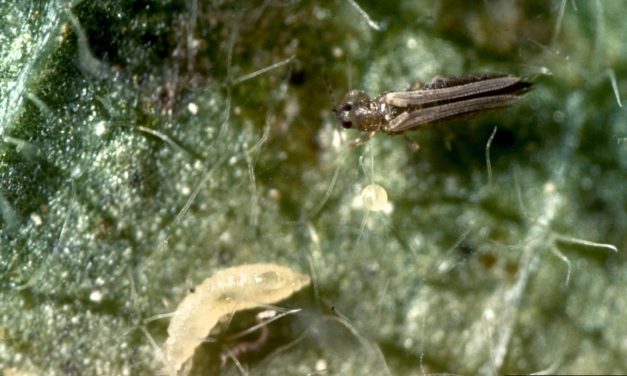
Learn how to identify and manage common viburnum diseases and insect pests in South Carolina using cultural and chemical controls.

Identify and manage common Leyland cypress diseases and insect pests in South Carolina with proven cultural practices and targeted treatments.