Coastal Region – Glen Payne
Days have become longer, and the extra hours of sunlight have warmed up the Lowcountry. Leaves of the deciduous trees are unfurling, and canopies are beginning to fill in as spring arrives. Temperatures have fluctuated from chilly some mornings to hot most afternoons, but pleasant days without humidity are here to stay for a while.
- Annual winter flowers from brightly colored snapdragons, pansies, violas, and cyclamen are putting out their final flourish of blooms and preparing to give way to a changing of the seasons. Dry weather has kept the plants and flowers healthy, with few of the common fungal diseases present this time of year.
- Geraniums, petunias, begonias, impatiens, and butterfly pentas are showing up in full bloom at local nurseries. They are ready to be planted in freshly prepared flowerbeds with a chance to show out with all the vibrant colors of spring.
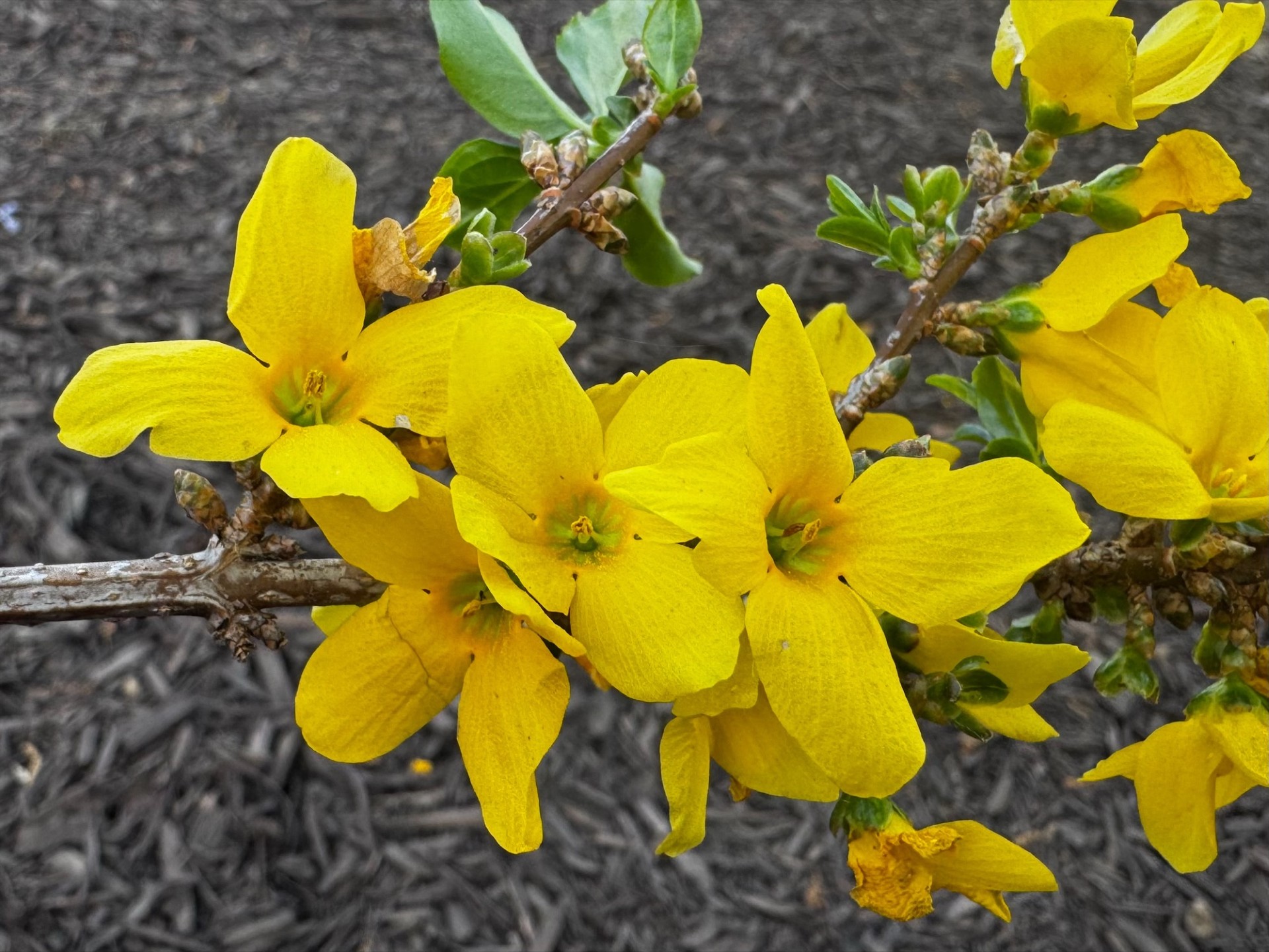
- Native spring vines of Carolina jessamine with their yellow flowers are draping over tree wood lines across the coastal region, earning their place as the South Carolina state flower. Accompanied by passionflower vines, lots of American wisteria, and coral honeysuckle, these plants provide native pollinators with a source of food early in the growing season.
- Tropical plants and citrus that were moved indoors last winter & continued to grow indoors and survived this year’s snowstorm may now be set outside. Placing them in full sun and providing an irrigation system can provide regular watering as spring temperatures increase.
- Applying mulch around trees, ornamental plants, flowerbeds and walking paths will keep the weed pressure down, help retain moisture around the root zones and improve soil fertility, giving homeowners more time to focus on other gardening projects.
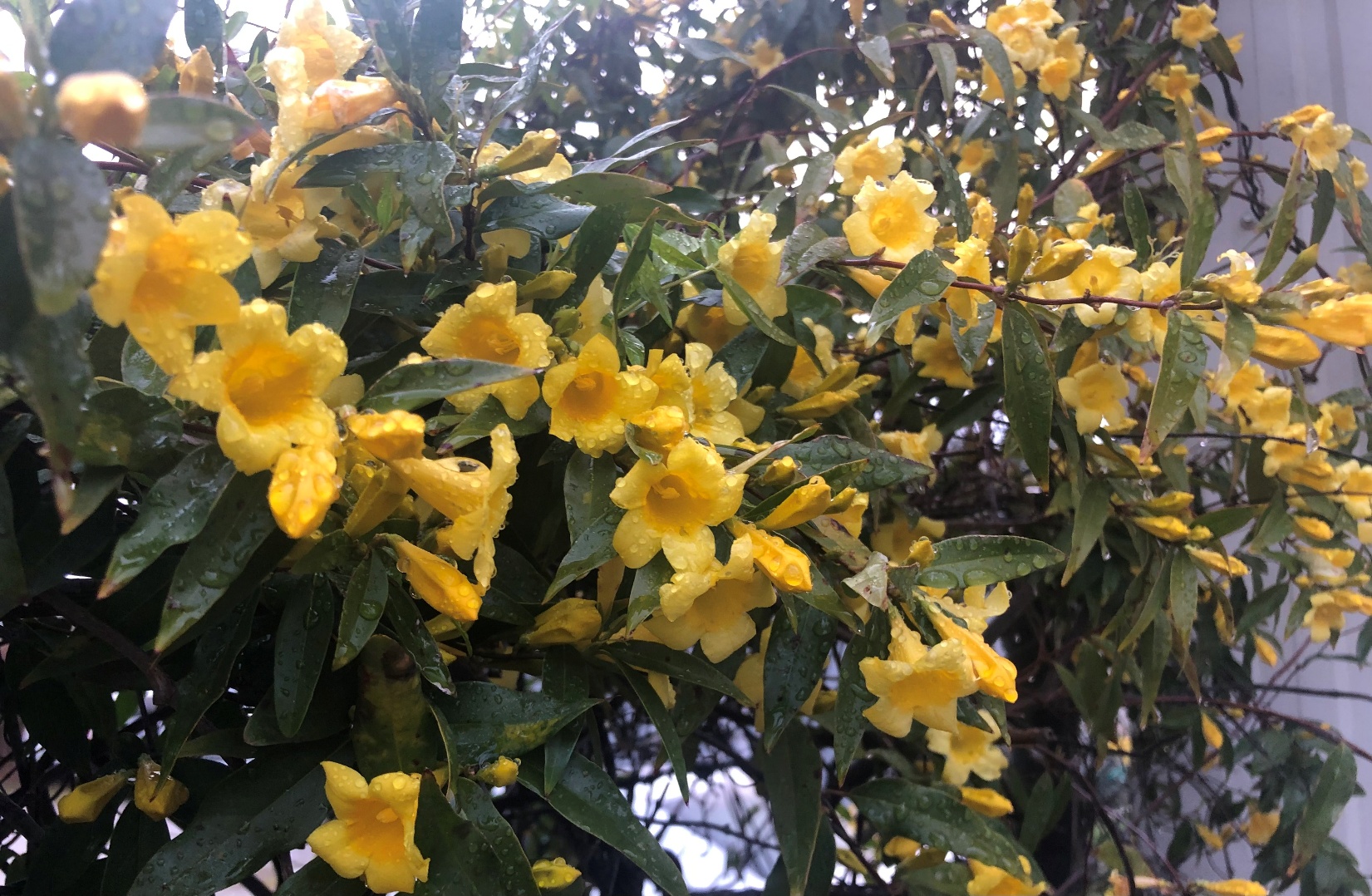
Carolina jessamine, South Carolina’s state flower, is in full bloom, providing early-season color.
Glen Payne, ©2026, Clemson Extension
Midlands Region – Brad Secraw
- We are approaching our average last frost date for the area, and if you’re like me, you’re excited to plant. However, we can still get late frosts, so be prepared to protect those tender spring vegetables and bedding plants with row covers or old sheets.
- That being said, in the vegetable garden, tender spring vegetables like tomatoes, peppers, eggplants, squash, zucchini, watermelons, cucumbers, and beans can all be planted. Refer to Planning a Garden | Home & Garden Information Center for more information.
- Drip irrigation is your best bet for keeping your water bill down, but check the emitters from time to time to make sure they aren’t getting plugged.
- In the lawn, we can start making post-emergent herbicide applications as our lawns fully green up. Warm season turfgrasses, especially centipede grass, can be damaged by these applications prior to this point. Not all herbicides are effective on all weeds, so weed identification is important (Managing Weeds in Warm Season Lawns | Home & Garden Information Center)
- Wait until the end of April to make any applications of nitrogen fertilizers. Fully greened-up warm-season turf will make better use of nitrogen applications (Fertilizing Lawns | Home & Garden Information Center).
- If you haven’t already done so, get your soil tested to make sure you are giving your lawn what it needs without wasting money on what it doesn’t. See Soil Testing | Home & Garden Information Center on how to properly do a soil test.
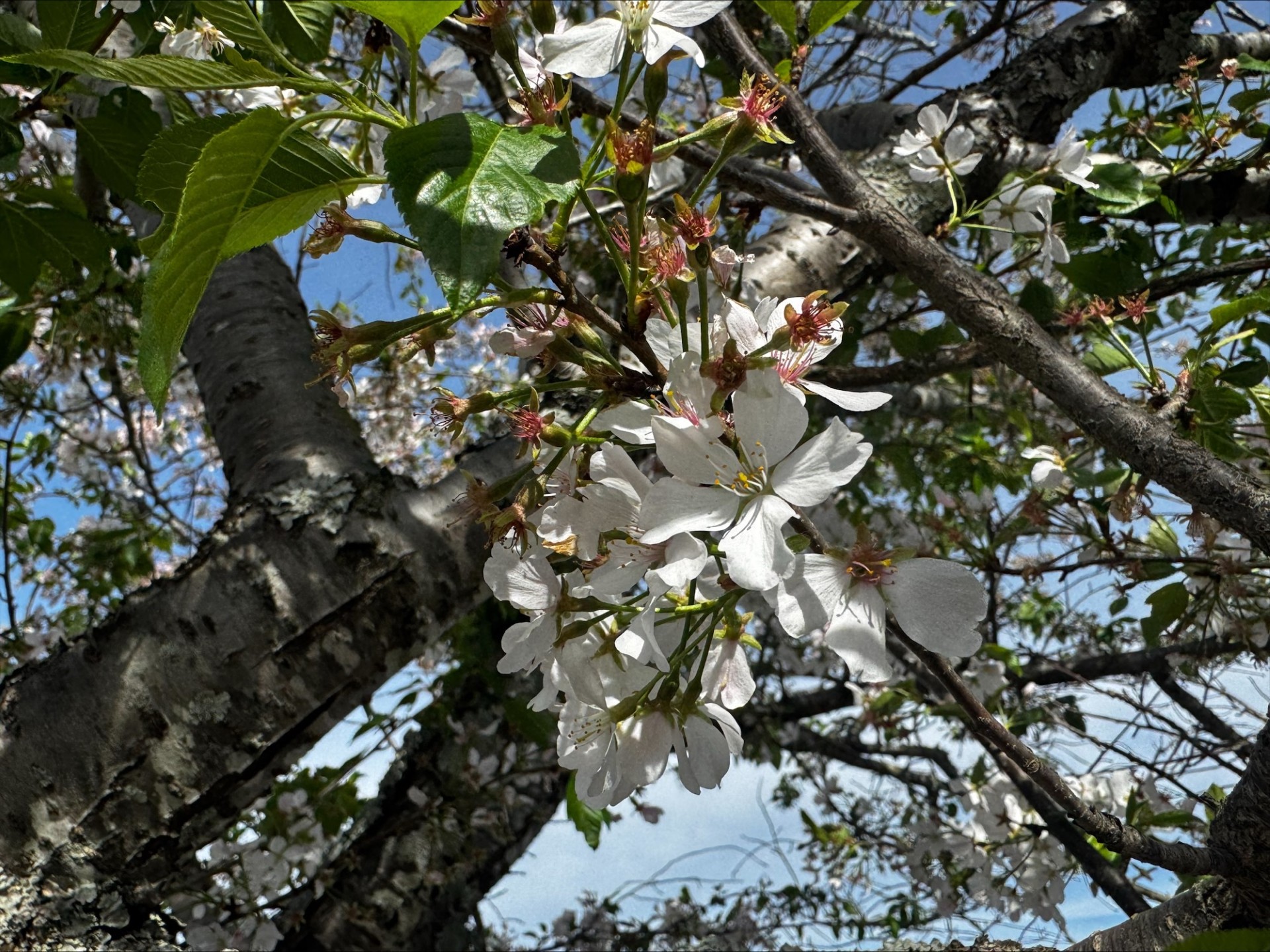
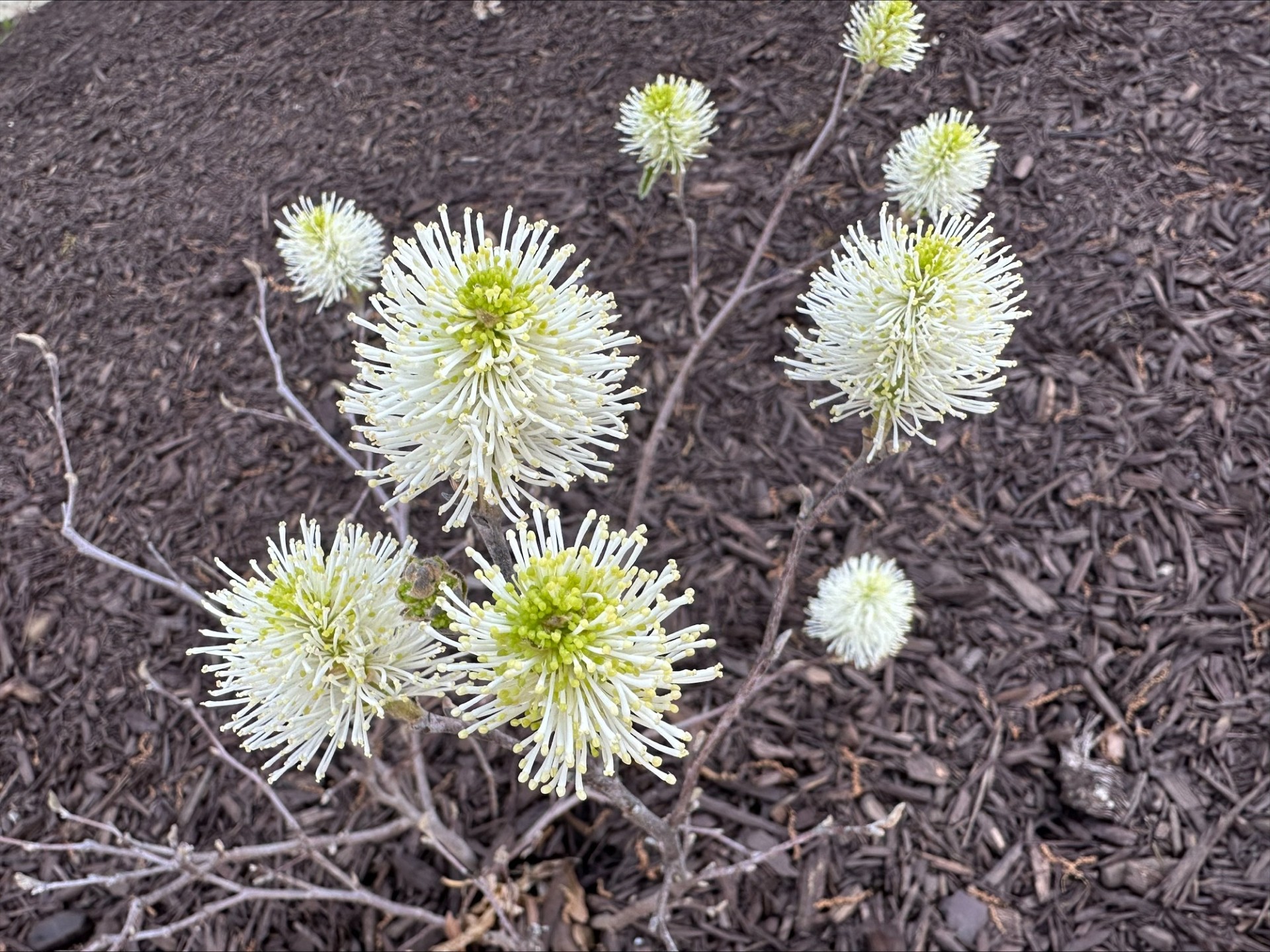
- In the landscape, spring-blooming shrubs like American fringetree (Chionanthus virginicus: Fringe Tree | College of Agriculture, Forestry and Life Sciences | Clemson University, South Carolina)and azaleas can be pruned after they flower. For descriptions of pruning techniques and when you should prune different shrubs, see Pruning Shrubs | Home & Garden Information Center.
- Tender bedding plants like vinca, zinnia and impatiens can all be planted. Ideas for annual plants for poor soil, shady spots and other situations can be found in Growing Annuals | Home & Garden Information Center.
- Some disease problems, like iris leaf spot (Iris Leaf Spot | Oklahoma State University), can start early in the season. Remember that fungicides are primarily preventative and protective measures, like painting your house. You must make applications prior to seeing symptoms or at the first sign. Not all fungicides will work on all plant diseases, so accurately identifying what disease you have is important.

Leaf spot symptoms are beginning to appear on iris foliage—early monitoring helps prevent disease spread later in the season.
Brad Secra, ©2026, Clemson Extension
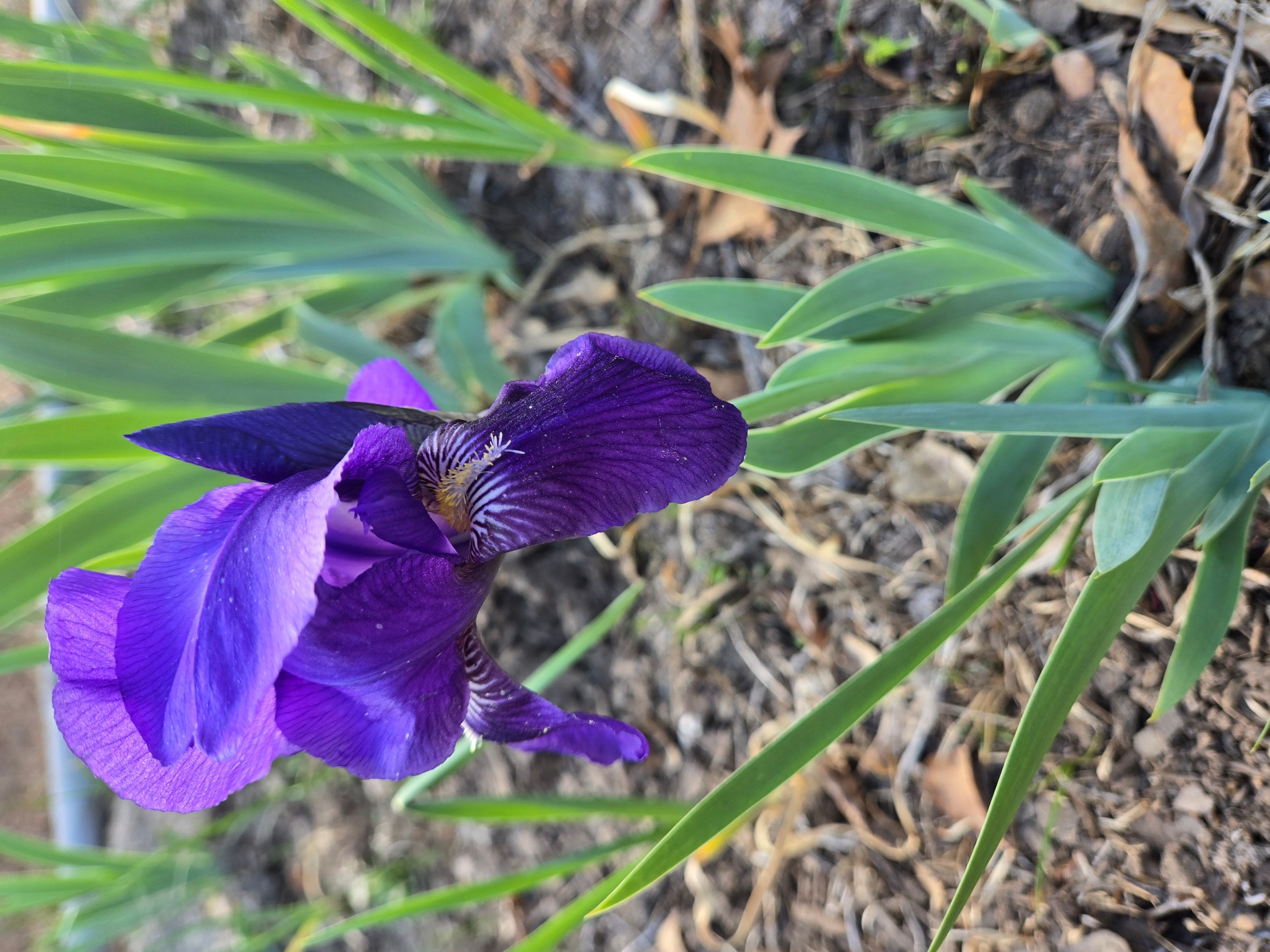
Irises are beginning to bloom, adding bold color to spring landscapes across South Carolina.
Brad Secra, ©2026 Clemson Extension
Upstate Region– Samantha Brown
- April is one of the best months of the year to show off what is happening in the Upstate. Spring has sprung with all these warm days in the forecast. My hope is that we stay warm and do not receive any more late frost. I generally do not recommend planting in your garden until after April 15th (Tax Day), as that is typically a safe time to check the 10-day forecast to see what the weather has in store for the rest of April. Mother Nature ignores what the calendar says for Spring.
- We are currently experiencing drought here, with many of our counties considered severe. Understanding that most of our plants have been dormant throughout the wintertime, they will start to show signs of drought stress soon. As trees and shrubs begin to produce, we may notice smaller leaves, fewer flowers, and less new growth. The US Drought Monitor Map is a great source to keep up with the state of this drought. We need it to rain as soon as possible.
- With us heading into spring and soon into summer, now is the time to check your irrigation to be sure it is running properly and hitting all the zones.
- With warmer temperatures, warm-season weeds such as crabgrass have begun to germinate and emerge. A pre-emergent is still helpful with the few weeds that have yet to emerge, but for the ones that have made their presence known, a post-emergent will be needed. Call your local extension agent to help identify and target the herbicide required for control.
- When should you fertilize your warm-season turf? First things first, please take a soil sample. As soil temperatures rise and your warm-season turf begins to wake up, mid- to late April is a great time to place a fertilizer to help it continue its spring green-up. Your soil sample results will determine the correct fertilizer and the proper application rate for your warm-season grass.
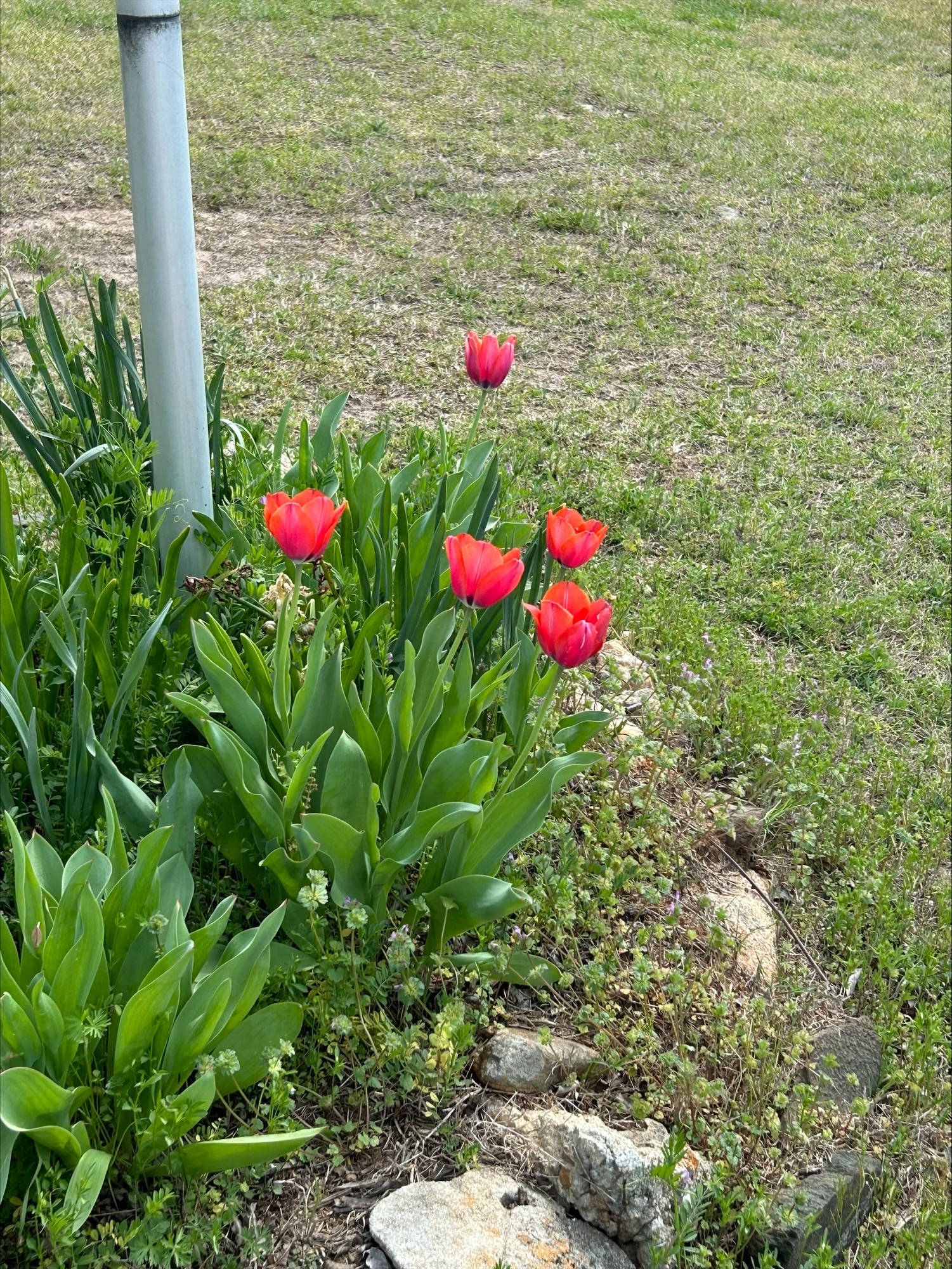
- Spring Flowering Bulbs such as daffodils and tulips have been showing out. They are a great reminder each year that Spring is coming right on time. The best way to care for them is to enjoy their beauty even when it begins to fade. Letting them die back naturally allows them to obtain all the photosynthesis in the leaves to help produce the following season.
- Do I have to fertilize my trees and shrubs? Trees and shrubs are an investment in your landscape. With the proper care of pruning, watering, and fertilizing, most plants will thrive in the right habitat. Mulching is also a great alternative to add natural organic matter back into the soil.
- While you are out enjoying the gardening sections in our farm and garden stores, stop and remember: Right Plant, Right Place.
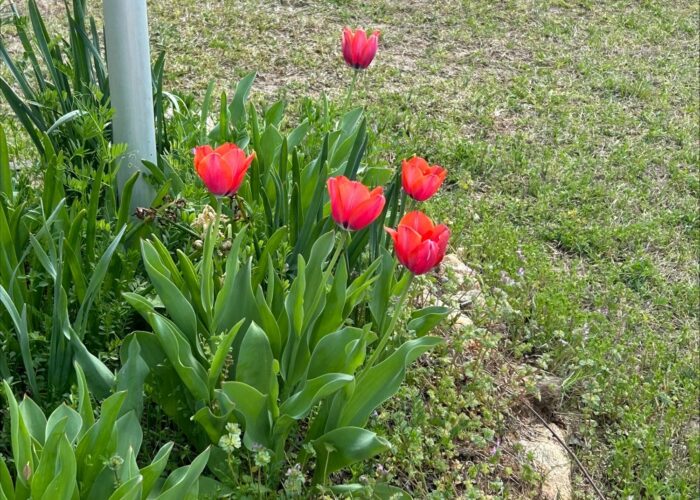 Tulips are adding bright pops of color to early spring landscapes as cooler-season blooms begin to peak. Charlette McGaha, ©2026, Clemson Extension