Coastal Region- Brad Fowler
Lawn Care
- August 15th is a great cutoff date for applying nitrogen fertilizers to the lawn. Applying nitrogen too late in the season could cause damage to turf grass.
- Be on the lookout for Armyworms in the lawn. Armyworms can cause significant damage in a short time span, so it is important to treat them as quickly as possible.
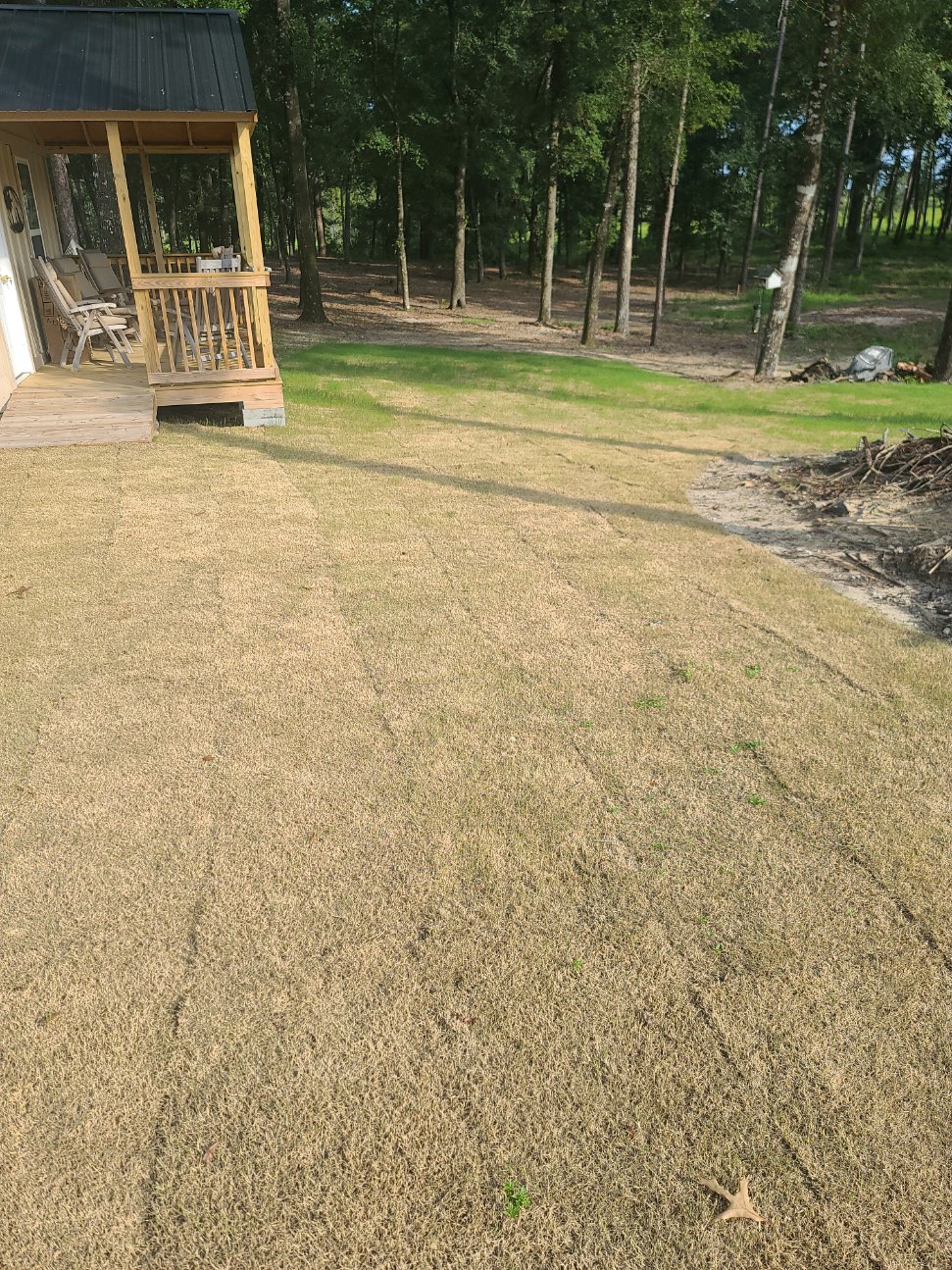
Armyworm damage on Bermuda grass. This damage occurred within two days.
Brad Fowler, ©2025 Clemson Extension
Plan Ahead for Fall
- Prepare for fall by coming up with a planting plan in August. While it still might be a bit too hot to start adding woody trees and shrubs to the landscape, having a plan in place will make life easier when it’s time to start planting later in the year.
- Record keeping is almost essential for continued success in the vegetable garden. August is a great time to prepare for next year by noting what pests were problems and what plants worked or didn’t work.
Planting This Month
- Beans, beets, and collards are just a few vegetables that can be planted in mid to late August.

Get prepared in August for the fall garden.
Brad Fowler, ©2025 Clemson Extension
Perennial and Container Care
- The August heat can be hard on certain plants, and some perennials may begin to look a little tired, but be sure to cut back and deadhead based on specific plant needs.
- Potted plants and raised garden beds can dry out quickly and may need a little extra water during the heat of the summer, but be careful not to overwater the rest of the landscape.
Midland Region- Carmen Ketron
Storm Preparation and Recovery
August marks the beginning of our most active part of the hurricane season.
- Take time to inspect trees and shrubs now and remove damaged, diseased, or dead branches that could become hazardous in high winds.
- Clear debris from gutters, storm drains, and water features to ensure proper drainage.
- If flooding occurs, wait until the areas dry out before cleanup to prevent extra soil compaction.
- Discard any edible plants that were inundated with flood water, as they may be contaminated. Take additional precautions when determining the extent of damage to plant material.
Pest Management
- August brings peak fall armyworm activity—scout your lawn regularly for small brown moths and the characteristic windowpane damage these caterpillars create on grass blades.
- Armyworms are particularly attracted to bermudagrass and tall fescue, but are also attracted to many edible brassicas.

Armyworm damage to a Bermudagrass lawn can be completely decimated in a matter of days.
Carmen Ketron, ©2025 Clemson Extension
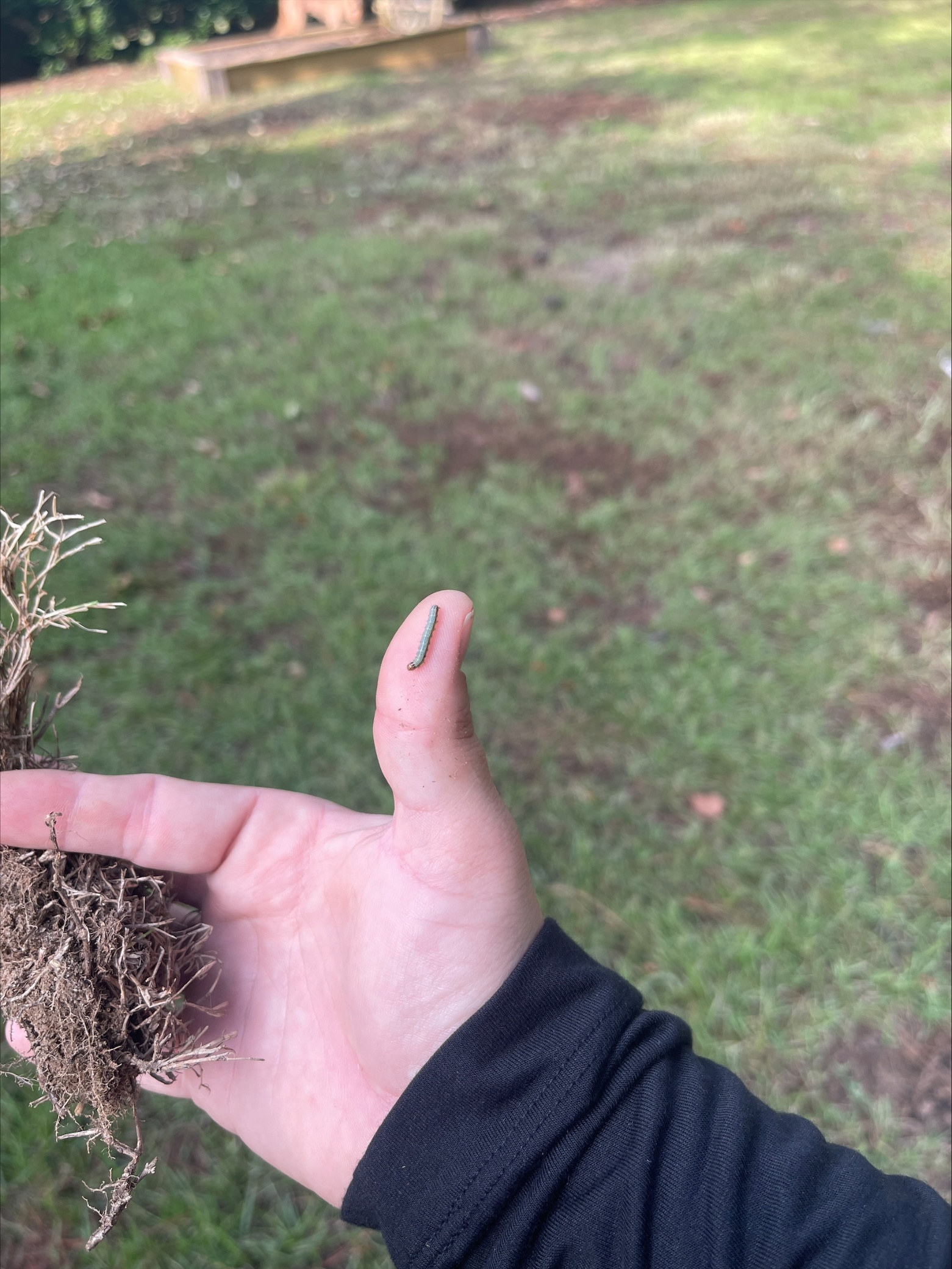
Armyworm caterpillar scouting.
Carmen Ketron, ©2025 Clemson Extension
Lawn and Landscape Care
- Water lawns deeply but infrequently, providing about one inch of water per week through two to three sessions, rather than daily light watering.
- Early morning watering reduces evaporation, allowing the grass to dry before evening.
- If your irrigation system runs while you are asleep, run the irrigation during the day at least once a season to make sure the sprinkler heads are working properly.
Garden Maintenance
- Refresh your compost pile with the abundance of garden debris growing in the summer, but avoid adding any diseased plant material that could spread pathogens.
- If your annual flowering plants look poorly, hard pruning and cutting back by one-third can reinvigorate plants for a second bloom flush.
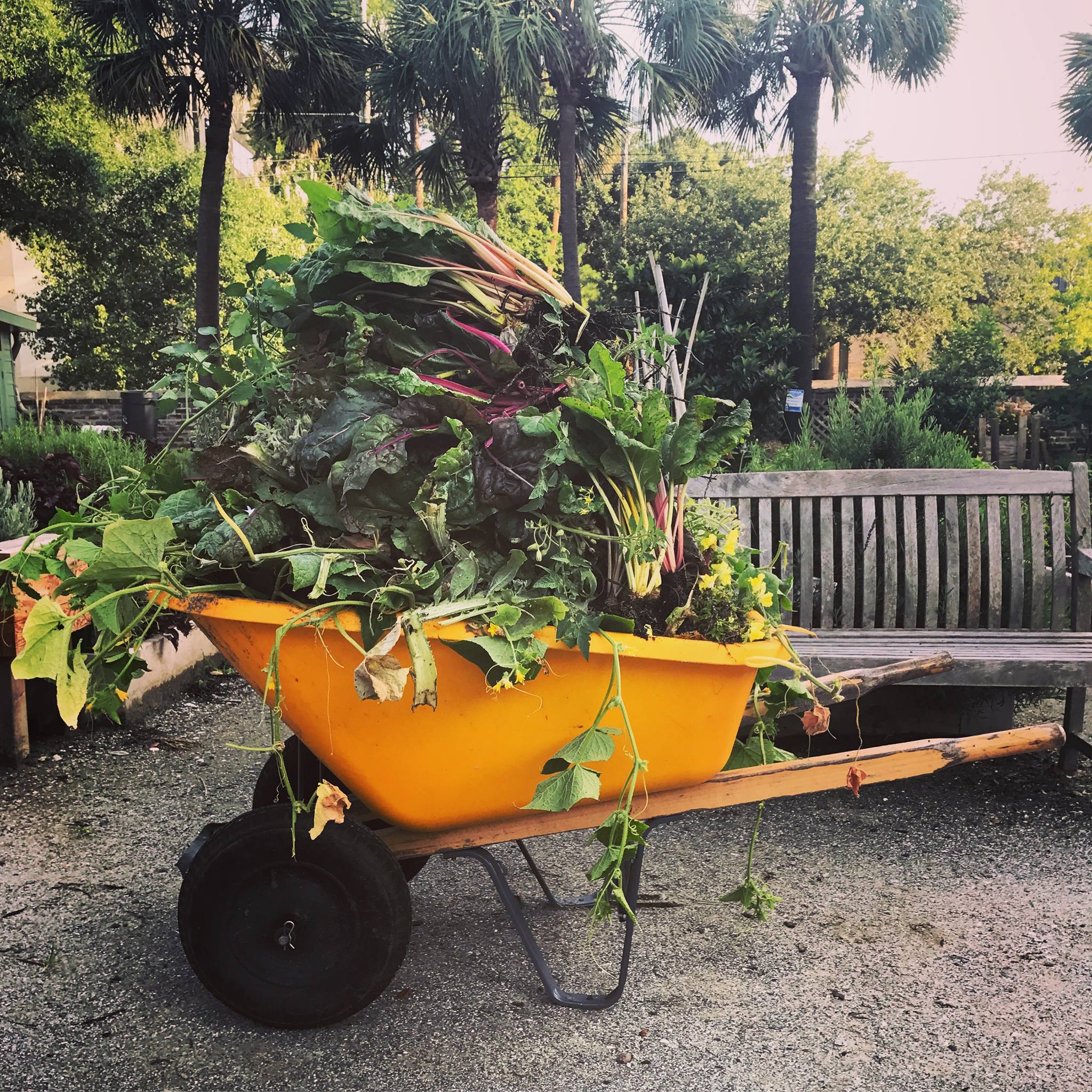
Lots of summer growth allows for lots of material to be reused in the compost pile.
Carmen Ketron, ©2025 Clemson Extension
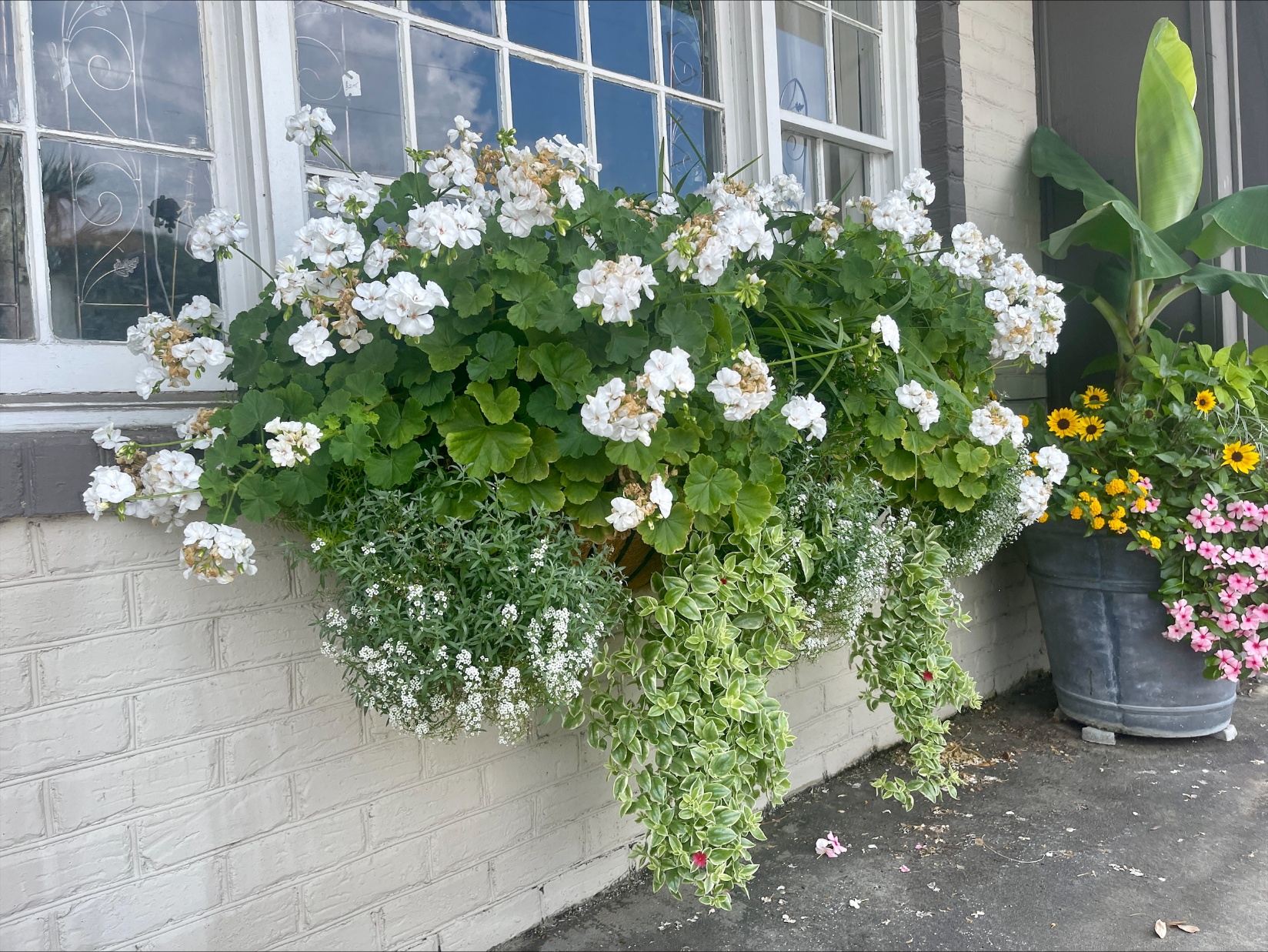
Excellent growth in window boxes can be controlled with a hard cut to reduce size.
Carmen Ketron, ©2025 Clemson Extension

Celosia and creeping jenny make for great summer flowerbeds.
Carmen Ketron, ©2025 Clemson Extension
Safety First
- Schedule garden work before 11:00 AM or after 3:00 PM to avoid the dangers of heat and humidity.
- Wear a hat, apply sunscreen, stay hydrated, and take frequent breaks in the shade.
Upstate Region – Briana Naumuk
Late Summer Color
- Planting a late summer container garden is a great way to add color to your porch or garden. It is also a great way to transition into fall by picking plants that will survive through the fall.
- Hanging baskets will continue to thrive with proper care.
Pest and Disease Vigilance
- Continue to remain vigilant for the presence of disease and insect pests. They can become abundant with the late summer heat and humidity.
- Drought can also weaken plants, making them more susceptible to disease and insect pests. Remove diseased and dying plants as necessary.
Lawn and Tree Care
- Lawns will continue to require irrigation. They should receive 1” of irrigation per week. Additional irrigation may be needed during periods of drought. To monitor drought in your area, use drought.gov.
- Trees, shrubs, and perennials should be watered in the early morning when temperatures are cooler.
- Consider installing soaker hoses or a drip irrigation system to conserve water.
Vegetable Garden Tasks
- Continue to harvest vegetables that are still producing. Potatoes are ready to be dug after the vines have died.
- Begin to remove older or less productive plants in preparation for the fall garden.
- Start transplanting cool-season crops such as broccoli, Brussels sprouts, collards, mustard, and kale.
- Direct sow beets, carrots, spinach, turnips, and radishes. Check out the Planning a Garden article for specific dates.
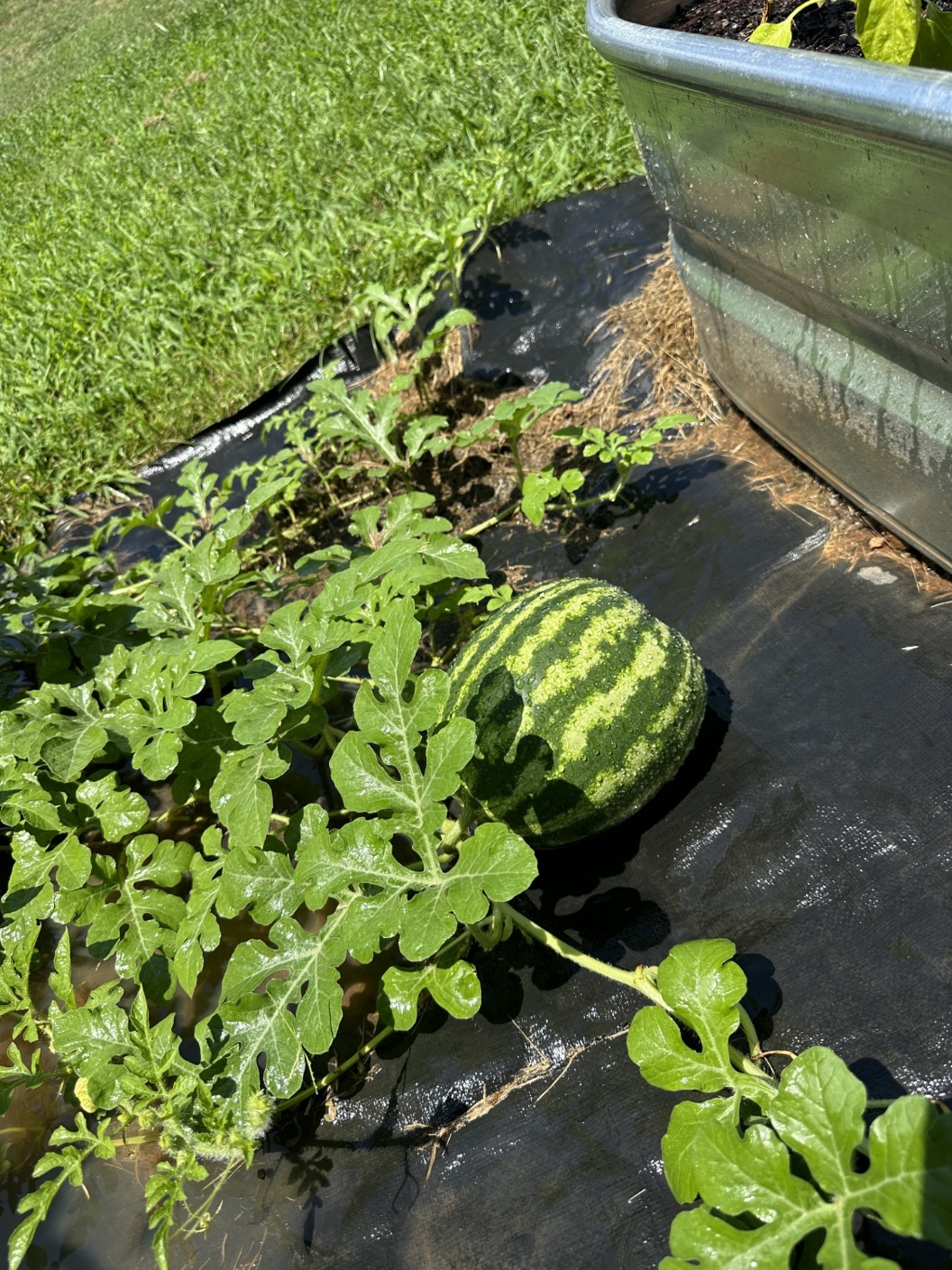
A watermelon waiting to be harvested.
Briana Naumuk, ©2025 Clemson Extension
Perennial Division
- Divide any overgrown summer-blooming perennials like rudbeckia, daylilies, bearded irises, and purple coneflower.
- This is best done on a cloudy day with rain to minimize transplant shock.

Nasturtium in a sidewalk container.
Briana Naumuk, ©2025 Clemson Extension
Preparing Warm-Season Lawns for Dormancy
- Prepare warm-season lawns for dormancy by avoiding nitrogen fertilizer applications after August 15th.
- Raise mowing height by ½-inch.
- Keep any fallen tree leaves off the lawn until it is fully dormant.