Lowcountry Region – Christiana Huss
Now is the time to plant summer vegetables if you haven’t already. Waiting too much longer will put them at higher risk of late-summer disease and insect pressure. Lots of local plant sales and swaps are happening in the Lowcountry! This can be a great way to save money while supporting local.
Plant These Summer Vegetables from Transplants
- Peppers
- Squash
- Eggplant
- Melons
- Cucumber
- Sweet potato
Plant These Summer Vegetables from Seed
- Beans
- Okra
- Radish
How to Manage Bolting Cool-Season Vegetables
The heat of spring has caused some cool-season vegetables to flower, such as lettuce and collards. Consider leaving these flowers to attract pollinators to the garden.
If these plants are disease-free, you can save the seeds for next season. If you suspect disease on these plants, remove them immediately.
How to Irrigate During Dry Spring Weather
So far, this winter and spring have been extremely dry. Expect some plants to show stress symptoms if they have not had sufficient irrigation.
Still, most plants do not need water every day. Only water plants when the soil is dry to reduce the risk of root rot.
Read more about when to irrigate here.
How to Control Spider Mites in the Garden
Spider mites are thriving in this dry weather.
Signs of Spider Mite Damage
Spider mite feeding will look like yellow or bronze stippling. You may also see light webbing on the leaves.
Spider Mite Treatment Options
If you suspect spider mites on your plants, blast the leaves with high-pressure water. Repeat several times every 5 days.
If spider mites are still an issue, consider other control methods listed here and here.
Remove Weeds in Garden Beds
Finally, be sure to remove any weeds that have started in your garden beds.
Weeds are still small and weak this time of year, especially due to the dry weather. Prioritize them now while pressure is low, and you’ll have an easier time later.
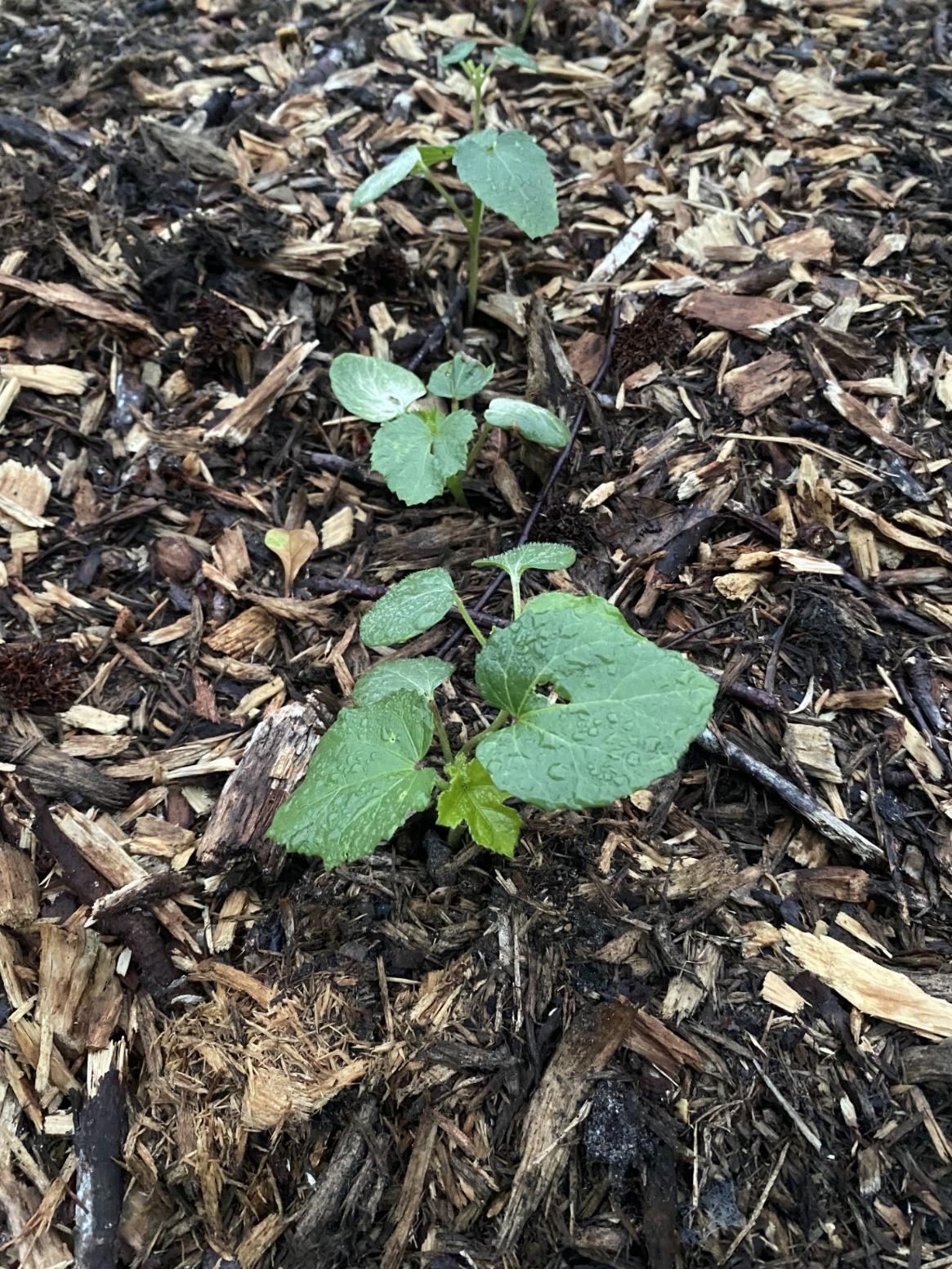
Newly planted okra is growing well in the low country.
Christiana Huss, ©2026, Clemson Extension
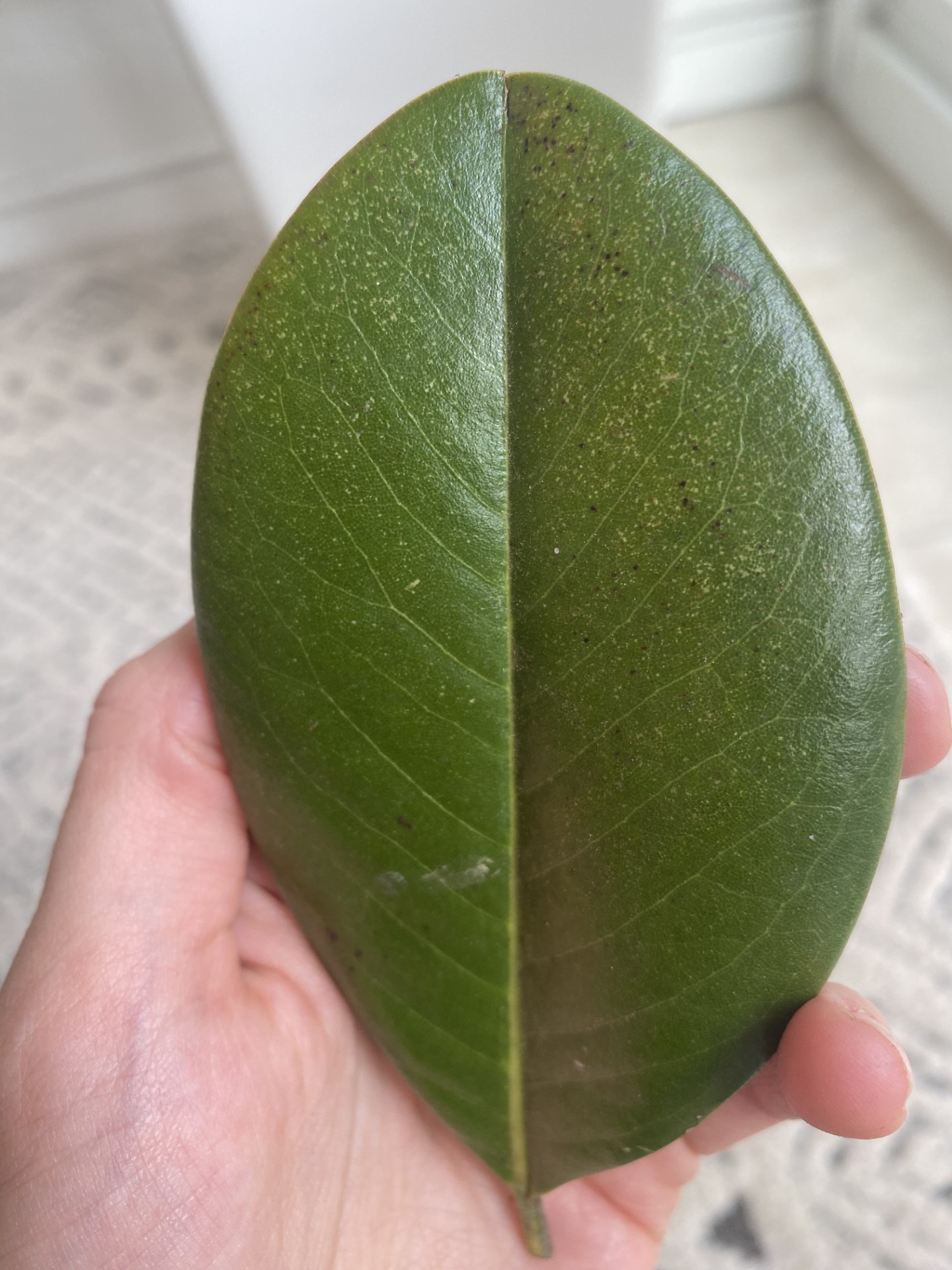
Spider mite symptoms on magnolia leaves. Spider mites love dry weather and cause this yellow stippling pattern.
Christiana Huss, ©2026, Clemson Extension
Midlands Region – Jackie Jordan
How to Care for Warm-Season Lawns in May
When to Fertilize Warm-Season Grass
Warm-season lawns should not be fertilized until they have fully greened up. Grass roots shrink in early spring as stored carbohydrates are depleted during green up.
If the grass is heavily fertilized with nitrogen grass blades will be produced at the expense of root growth and this will weaken the grass.
Wait until the nighttime temperatures are consistently above 65°F to fertilize. It is always better to fertilize later than too early. Fertilizing too early can contribute to disease issues and nutrient leaching.
May 15th is a good recommendation for the first fertilization for centipede and St. Augustine lawns. Bermuda and zoysia lawns can be fertilized at the beginning of May.
Best Mowing Practices for Drought Tolerance
Mowing grass on the higher end of the recommended height range will improve the drought tolerance of your lawn.
How Much Water Established Lawns Need
Established lawns only need an inch of water a week. Overwatering will increase weeds, insects and the chances of encouraging disease.
Calibrate your sprinkler system.
How to Water in Lawn Products Correctly
It is also important to know how long to run your sprinkler to apply ½-inch of water. Most preemergent herbicides and granular insecticides need to be watered in with ½-inch of water to effectively treat for pests.
How to Care for Trees and Shrubs in May
When to Prune Spring-Flowering Shrubs
Prune most spring blooming plants after they have finished blooming.
Don’t forget to take some thinning cuts to increase airflow in the shrub and reduce favorable conditions for pest insects and diseases.
Best Mulch Practices for Trees and Landscape Beds
Make sure trees and landscape beds have a 3-inch layer of mulch to limit weeds, insulate the soil, and improve drought tolerance.
How to Improve Soil Moisture Retention
Drought tolerance can also be improved by topdressing landscape beds with compost, worm castings or leaf mold.
Rake back the mulch and apply about a 1/2-inch layer of organic matter. This will improve water holding capacity in sandy soils and ensure more water is available for plant uptake in heavier clay soils.
Native Shrubs That Bloom in May
If you want to add some May blooming native plants to your landscape, consider adding:
Watering Newly Planted Trees and Shrubs
Newly planted trees and shrubs have a long establishment period. Make sure to provide supplemental water for new plants.
Most shrubs sold in 3-gallon container sizes will be established after 3- 4 months. Larger container trees can take 6 months or longer.
How to Grow Annuals, Perennials, and Bulbs in May
Summer Bulbs to Plant in May
Plant summer blooming bulbs such as:
- Dahlias
- Tuberous begonias
- Lilies
- Gladioli
Best Annual Flowers for Long-Lasting Color
Annual flowers provide season-long color and can be planted in window boxes, containers, hanging baskets and other areas of the landscape that need long-lasting color.
Look for options that match your site conditions. Many annuals will thrive in 4-6 hours of sunlight.
Annual Flowers to Direct Seed
Direct seed annual flowers such as:
- Celosia
- Zinnias
How to Encourage Fuller Annual Plants
Pinch new annual plants to encourage more branching and fuller plants.
Heat- and Drought-Tolerant Perennials for South Carolina
There are many heat and drought-tolerant perennials that can be added to the landscape. Russian sage, coneflower, coreopsis and yarrow perform well in hot, dry locations and offer a long bloom period.
Plants That Attract Beneficial Insects
If you have a problem with aphids, thrips or whiteflies in your landscape, attract beneficial predatory insects by planting:
- Cosmos
- Ornamental Pepper
- Spike Speedwell
How to Grow Vegetables in May
Best Vegetables to Plant in Warm Soil
May is not too late to start growing vegetables. Plant sweet potatoes and okra once the soil temperature reaches 70°F.
Yellow squash, zucchini, pumpkins, winter squash, and watermelon can be planted once the soil temperature is 60 – 65°F.
How to Prevent Squash Bugs and Vine Borers
Be on the lookout for squash bugs and squash vine borers in late May.
They are hard to control, so early detection is a must. Scout early and often to catch pests and use multiple strategies to control aphids, spider mites, and other insects.
When to Plant Cucumbers
Cucumbers should be seeded once the soil temperature is 70°F.
When to Plant Tomatoes, Peppers, and Eggplant
Plant tomatoes, peppers, and eggplant once the soil and nighttime temperatures are 65°F or higher.
How to Grow Vegetables in Containers
If you don’t have space for an in-ground garden, try growing vegetables in containers.
There are many dwarf varieties that perform better in pots.
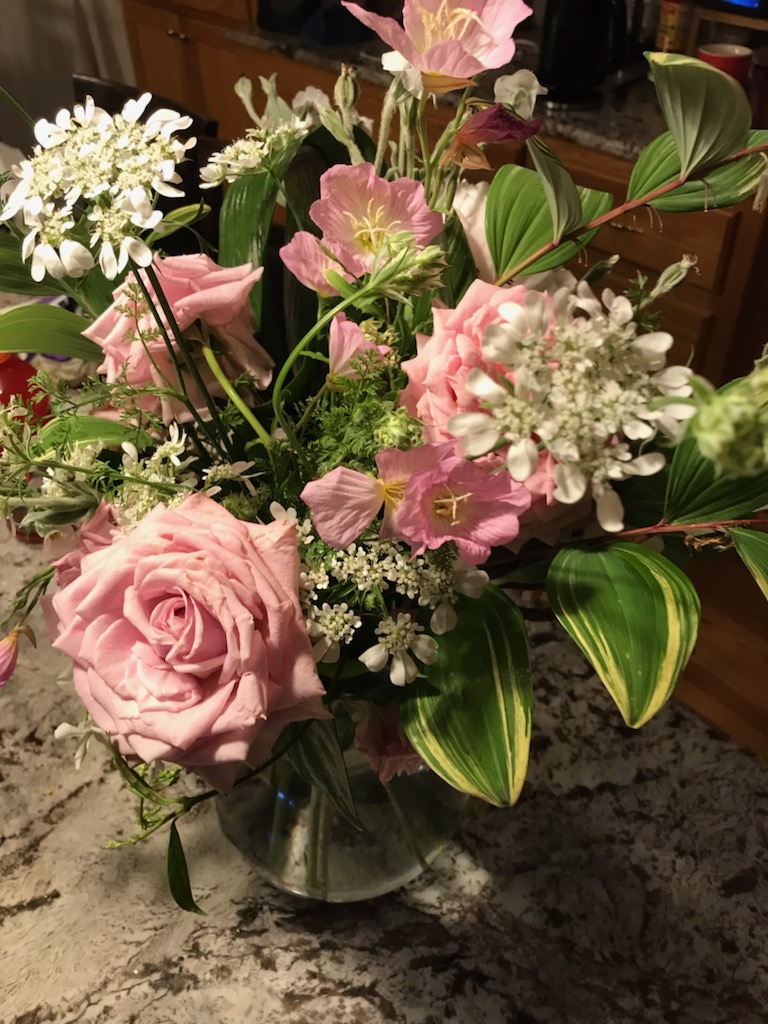
Arrangement with Belinda’s Dream roses, orlaya, solomon’s seal and evening primerose.
Jackie Jordan, ©2026, Clemson Extension
Upstate Region – By Abigail Taylor
What to Expect in the Upstate Garden in May
With spring now in full swing, the threat of any frost or frigid weather is past us.
Deciduous trees are filling in, more and more blooms are opening, and lawns are greening-up.
Weather can be unwieldy right now, so ensure to check the weather forecast before planting anything or spraying any pesticides.
How to Manage Drought Stress in the Upstate
We’ve finally felt some relief from the drought that had been plaguing South Carolina, but dry conditions still remain as we are far below the average amount of rainfall expected at this time.
Keep an eye on vegetable gardens, flowerbeds, trees, and lawns and make sure they’re getting adequate water.
Use the US Drought Monitor Map to keep an eye on drought conditions in your area.
What Vegetables to Plant in the Upstate in May
If you haven’t already started planting, now is a good time to plant your spring vegetables.
Tomatoes, peas, beans, and eggplants are all fine to plant at this time.
Use planting guides for your area to know when to plant.
How to Control Weeds in Upstate Lawns
Many weedy species have emerged at this time, including:
- Yellow nutsedge
- Wood sorrel
- White clover
Preemergence herbicides can still be used to control weeds that have not yet germinated.
Postemergence herbicides can be used for weeds that have already germinated but make sure you pick an herbicide that won’t harm your lawn.
How to Fertilize Warm-Season Lawns
The majority of warm-season lawns are now actively growing, so ensure you know when and how to fertilize your warm-season lawn.
Nitrogen should only be introduced once the lawn is mostly green.
What Plants Are Blooming in South Carolina in May
Roses, peonies, dogwoods, azaleas, and many more plants are blooming right now, helping make it feel like spring.
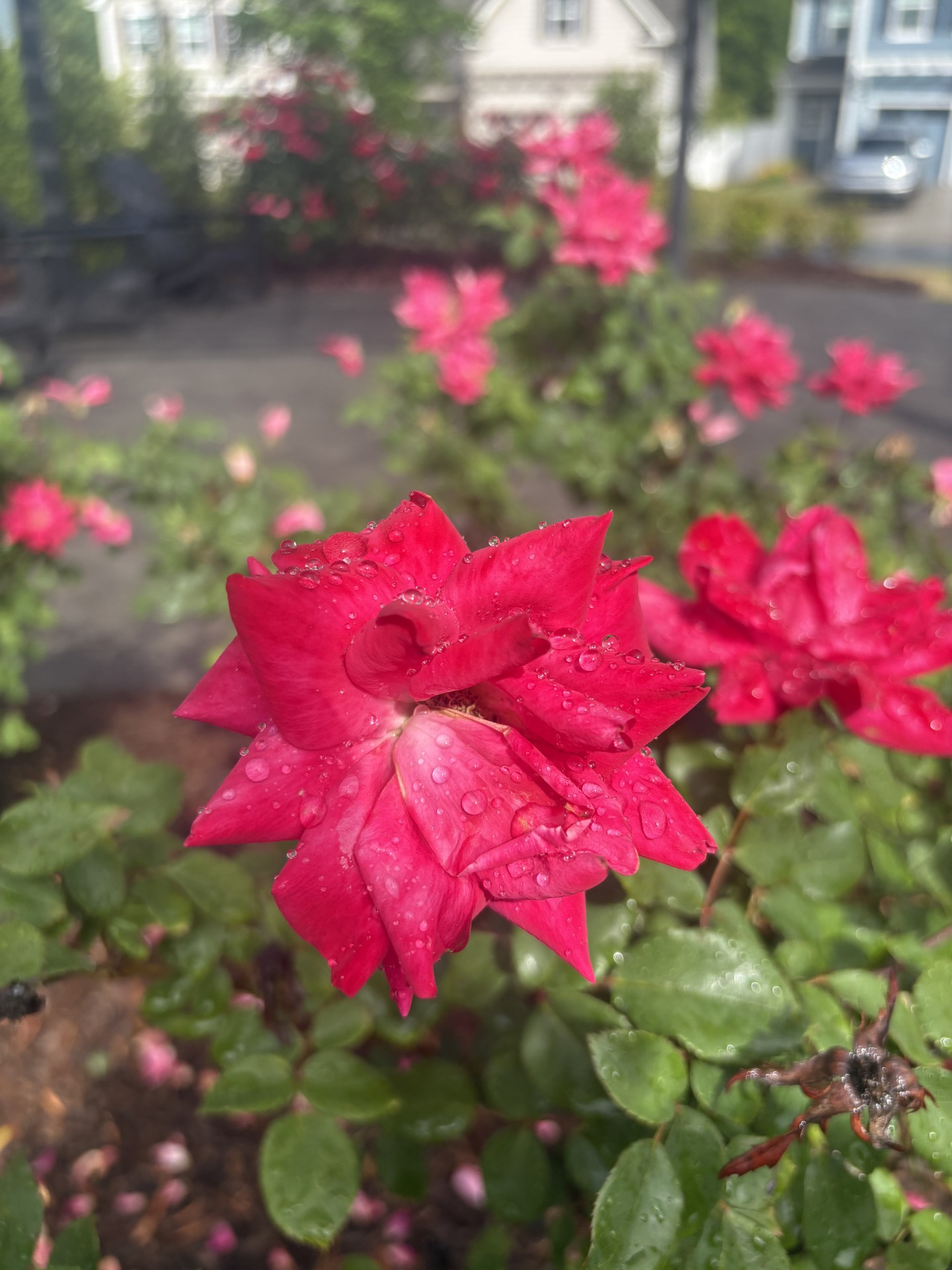
Pink rose bushes in bloom.
Abigail Taylor, ©2026, Clemson Extension