Coastal Region – Christiana Huss
- Join citizen scientists on August 21st and 22nd to participate in The Great Southeastern Pollinator Census. It only takes 15 minutes to participate, and you can do it in your own backyard.
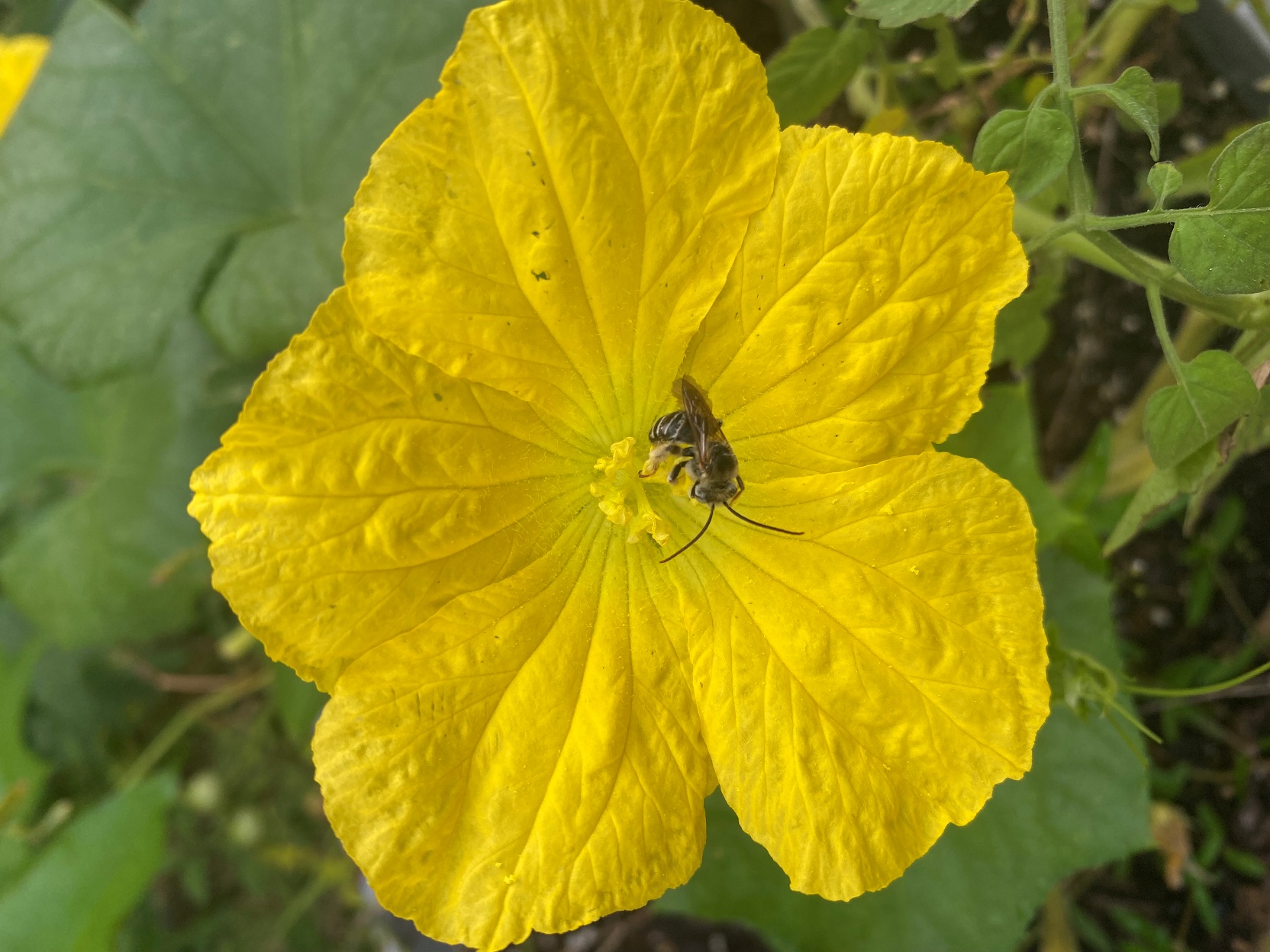
Join us for The Great Southeastern Pollinator Census and count the pollinators in your own backyard!|
Christiana Huss, ©2026, Clemson Extension
- Trap and kill mosquitoes by constructing a “bucket of doom.” Fill a bucket with water and plant debris, then add half a mosquito dunk. Mosquito dunks contain a selective bacterium that kills mosquito and fly larvae but does not harm wildlife, pets, or humans. Add a tall stick as an escape route for small mammals and reptiles. It is important to dump all other standing water so that mosquitoes have no choice but to lay eggs in the bucket of doom.
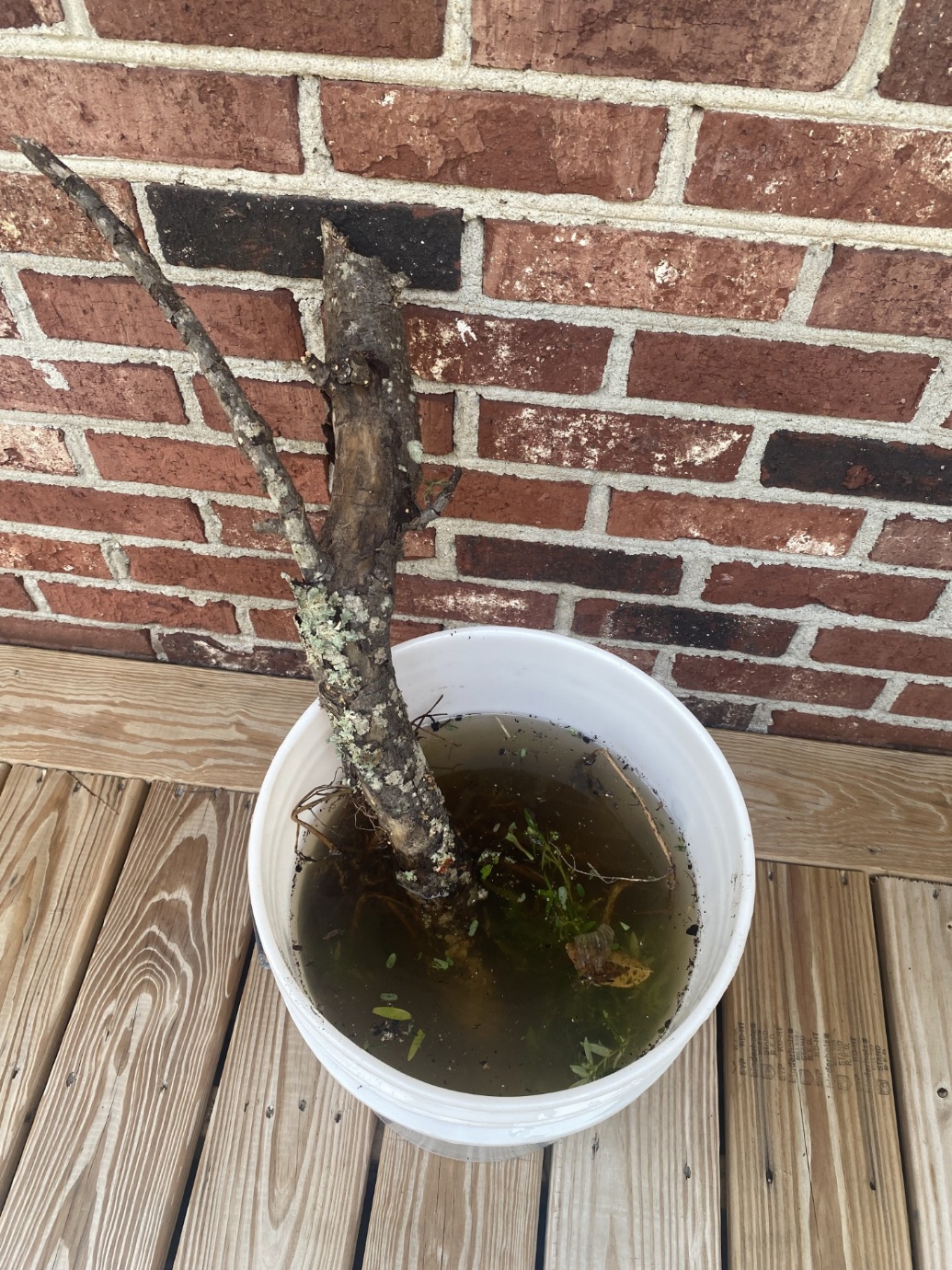
Bucket of doom used for mosquito control.
Christiana Huss, ©2026, Clemson Extension
- Late summer is when plant pathogens and pests are at their highest levels. Now is a good time to survey the vegetable garden and remove plants that are no longer productive. The longer that disease and insects are allowed to reproduce in your garden, the more likely it is that there will be an issue next year. Be cautious about composting diseased plants. If compost piles do not maintain a temperature of at least 140°F for several days, the pathogens may survive and re-infect future plants.
- Start planning your Fall garden. Fall is a great time of year to work in a vegetable garden because of cooler temperatures. In August, plant:
- Beans
- Beets
- Collards
- Cucumber
- Eggplant (transplants)
- Kale
- Mustard
- Peas
- Radish
- Rutabaga
- Spinach
- Squash
- Turnips
You may notice that some of these are considered summer vegetables, like cucumber, squash, and eggplant. The Lowcountry has a long enough growing season to do a second crop of these plants. Be aware that if you already have diseased plants in your garden, a second planting will be particularly vulnerable.
- Start seeds indoors now to transplant in the Fall:
- Broccoli
- Brussels Sprouts
- Cauliflower
- Onion
- Revitalize okra, eggplant, and pepper by ratooning them. Cut plants back to 6in-18in tall and fertilize with a high potassium, low phosphorus fertilizer. The plant will sprout side branches and give you a second flush of produce.
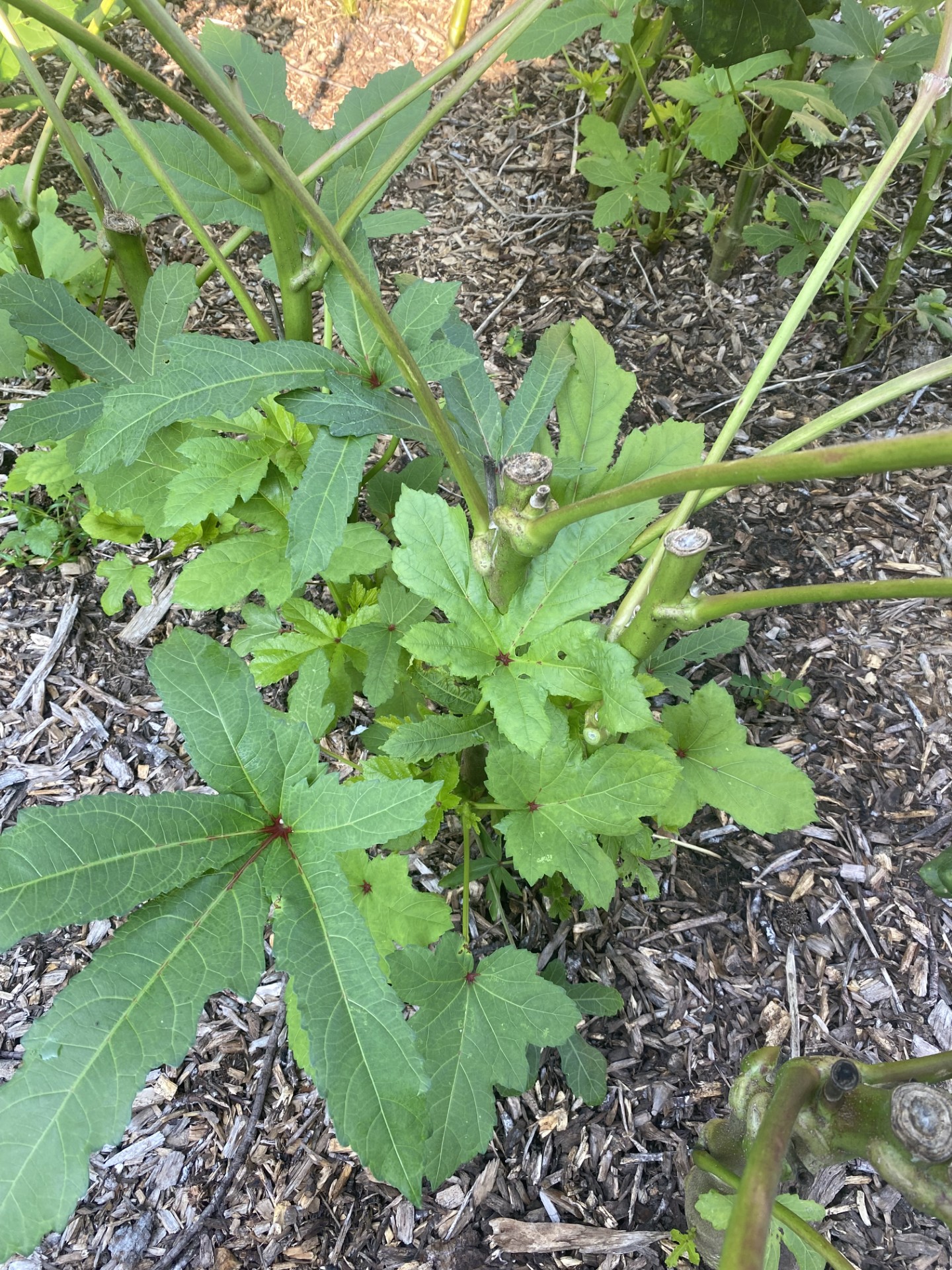
This okra was ratooned 2 weeks ago. New growth can be seen at the bottom of the stalk.
Christiana Huss, ©2026, Clemson Extension
Midlands Region – Brad Secraw
August is definitely being August right now, but I don’t need to tell any of you that. Most of what we are doing is getting everything through the heat until we can start getting some relief in late September or October.
I know we’ve all heard it before, but the hot weather precautions are worth repeating. Try to avoid working outside during the hottest time of the day. I work in shaded areas when possible. Drink fluids throughout the day to stay hydrated, not just when you are in the garden. Use sunscreen on exposed skin. I like to wear a light, wide-brimmed straw hat to keep the sun off my head and ears and out of my face. Lastly, take frequent breaks. I check my watch occasionally to see how long I’ve been outside and take breaks based on a schedule rather than how I feel.
In the landscape, fall is for planting, and we’re not quite there yet. Yes, you can plant trees and shrubs this time of year, but getting them through the heat will be more challenging. I like to wait until we get to the months that have an “r” in them.
As a bit of a contradiction, we are starting to plant the fall vegetable garden. In fact, we never really stopped planting; we just changed tactics to ensure success in this heat. Shade cloth and tarps help prevent germinating seeds and small seedlings from drying out. Well planned irrigation is critical to minimize stress. High disease and insect pressure can be challenging, but daily scouting, insect netting and having the right products available to apply can help.
I’ve seen a lot of dry spots in lawns with irrigation systems. Use shallow, straight-sided tuna cans spread around your lawn to check your irrigation pattern. Daily watering of established lawns is never recommended. This increases disease pressure and water loss to evaporation. Water once or twice a week at most, and apply one inch of water per week based on rainfall.
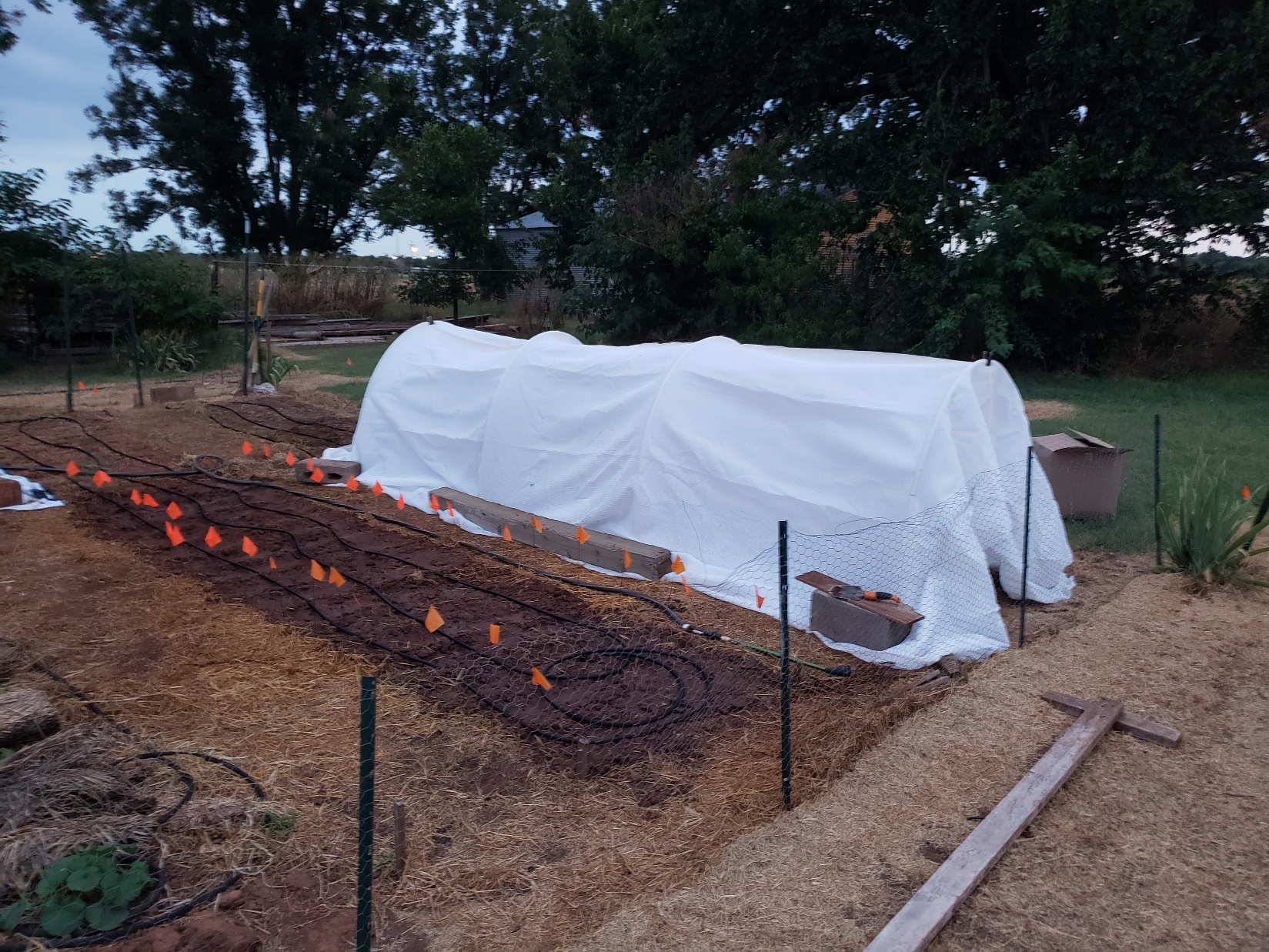
Shade cloth is usually black, but you can find it in other colors, like white, here. It comes in multiple densities depending on the desired shade level.
Brad Secraw, ©2026, Clemson Extension
Upstate Region- LayLa Burgess
August Gardening Activities for Kids in South Carolina’s Upstate
August is a great time to help children explore gardening, nature, and the outdoors while preparing for the transition back to school.
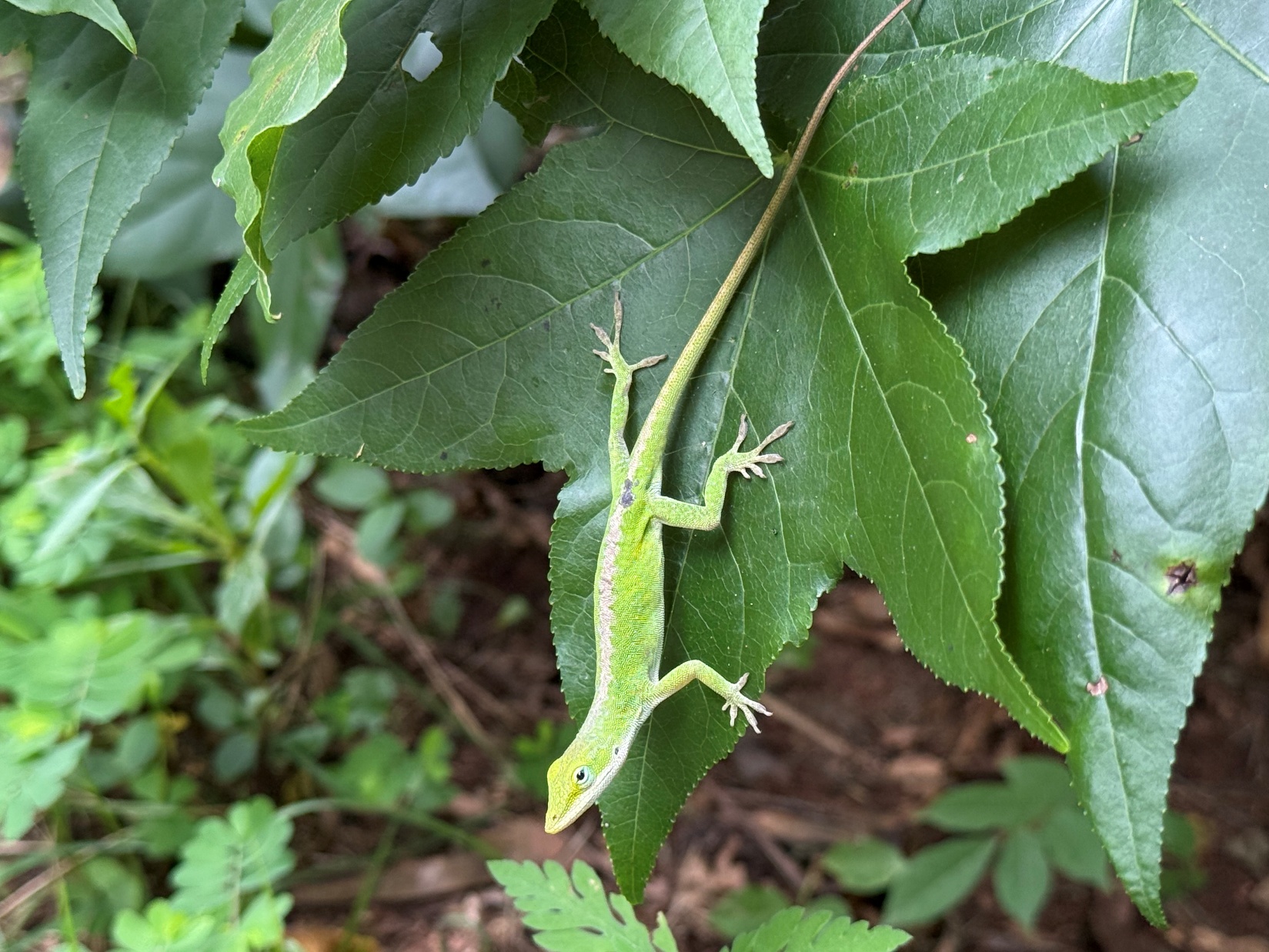
Anoles are experts at hiding in plain sight.
LayLa Burgess, ©2026, Clemson Extension
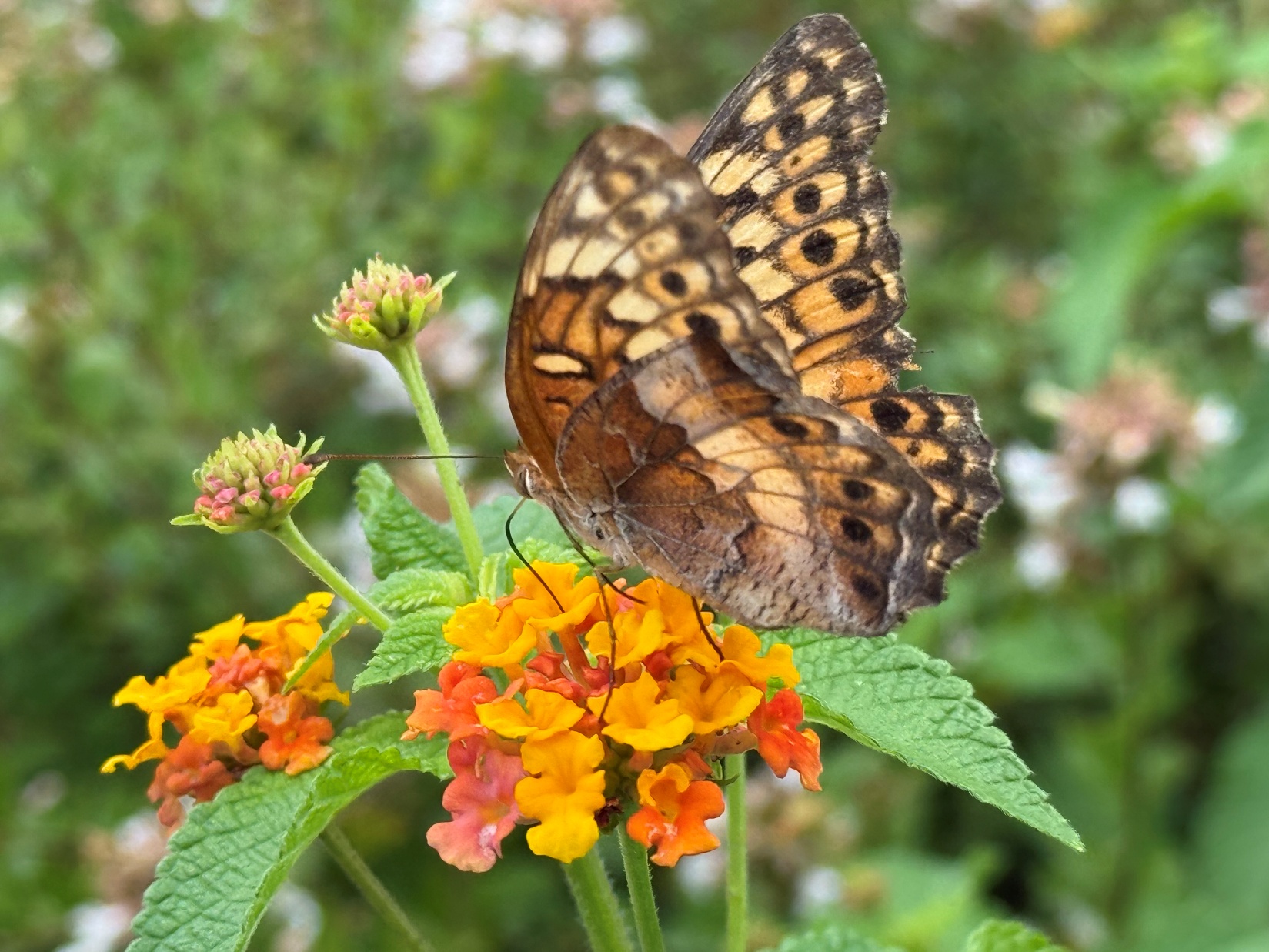
Count butterflies while on a late summer outing.
LayLa Burgess, ©2026, Clemson Extension
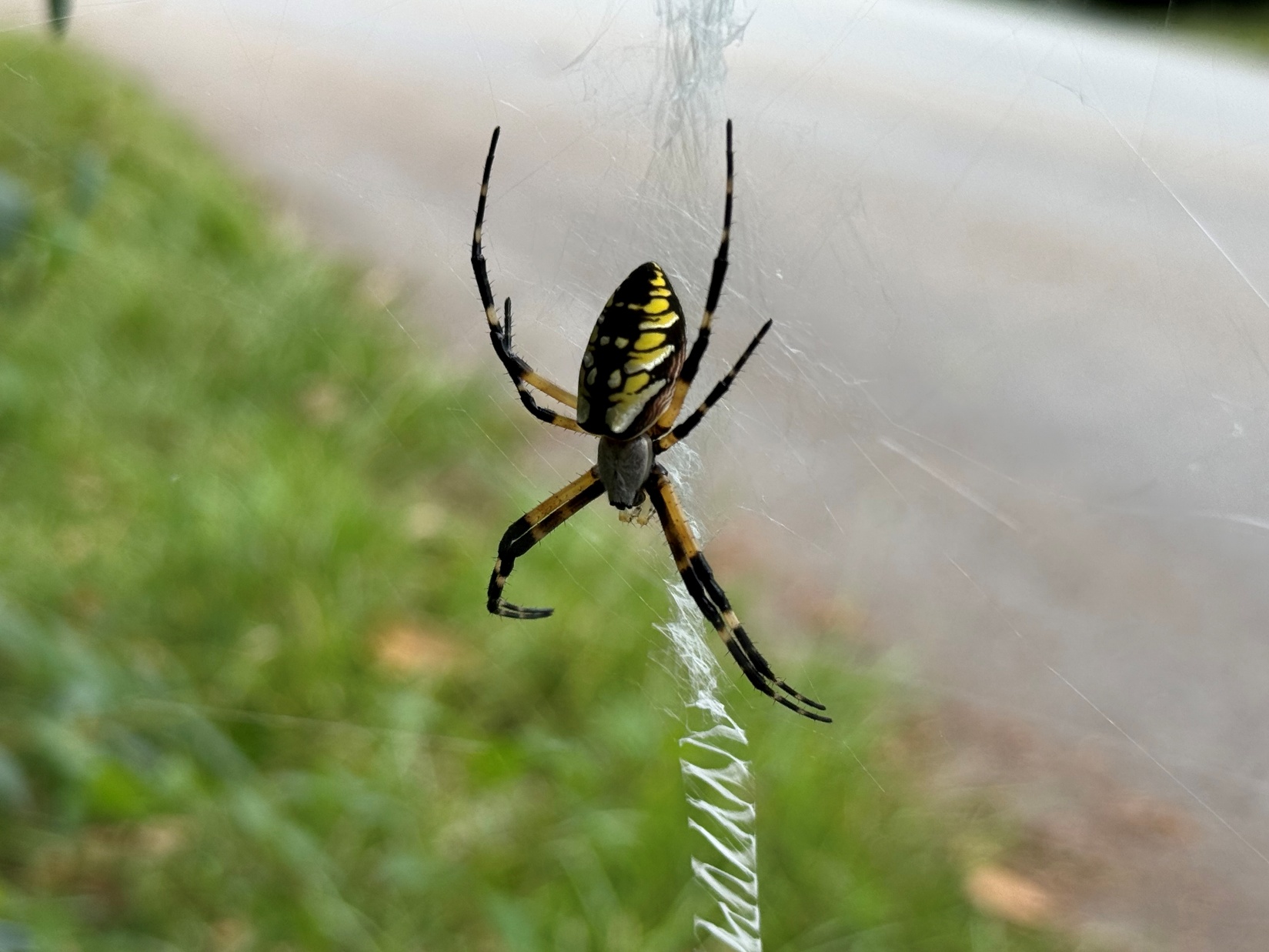
Remember to look with your eyes, not with your hands, when appreciating nature.
LayLa Burgess, ©2026, Clemson Extension
Discover Gardening Through Books at Your Local Library
Get kids interested in what’s happening in the natural world around them through fun gardening books for children. Public libraries offer age-appropriate gardening books for children of all ages. Turn your landscape and gardens into non-traditional classrooms full of mystery. Transition into back-to-school mode by reinforcing the idea that learning can be fun.
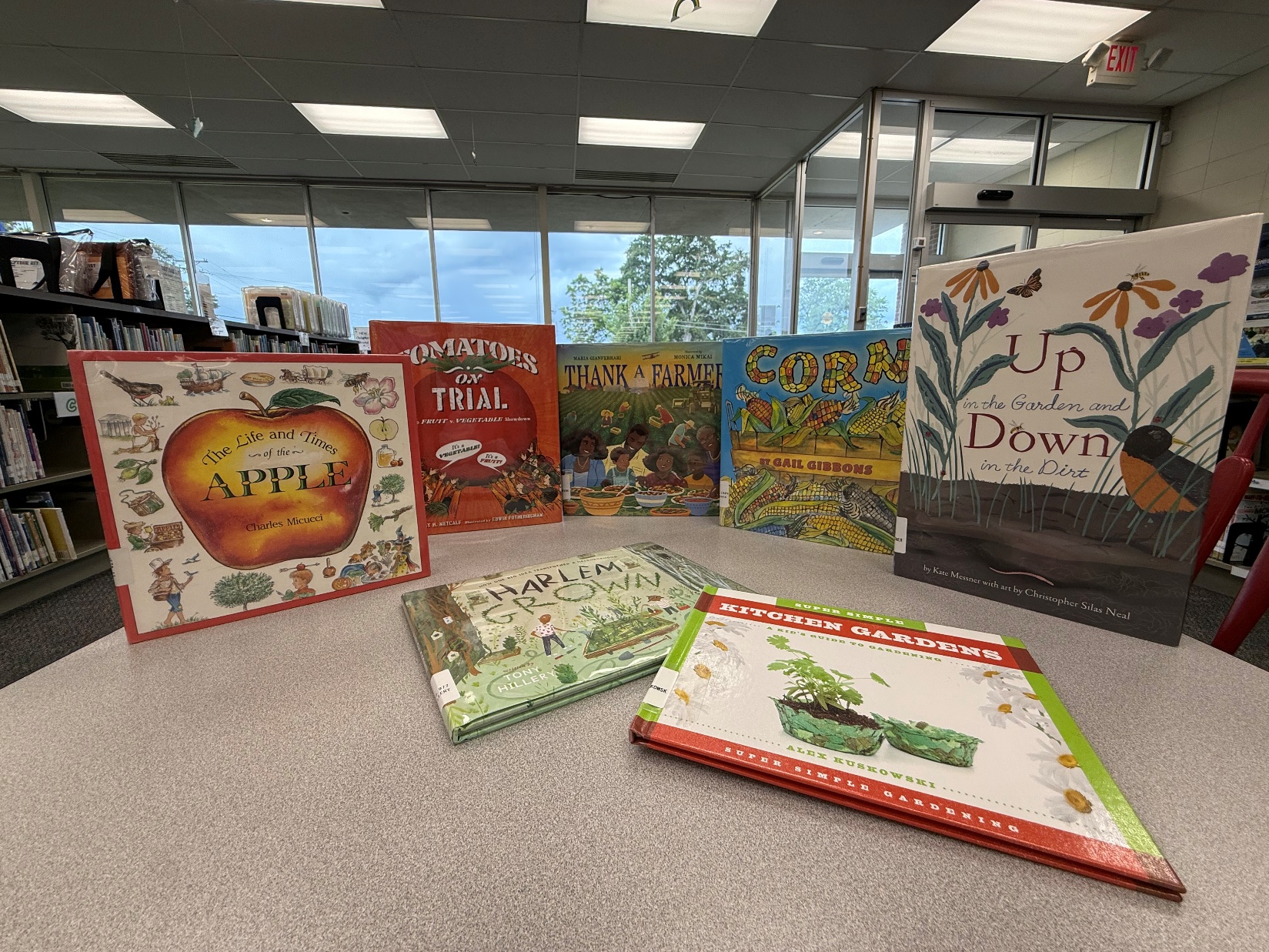
Public libraries offer books, materials, and programs related to gardening.
LayLa Burgess, ©2026, Clemson Extension
Harvest Together in the Garden
Get the kids involved when harvesting late-season fruits and vegetables. Age-appropriate tasks range from picking, washing, and preparing fruits & veggies, to assisting with cooking your family’s favorite recipes with homegrown goodness.
Visit Public Gardens to Beat the Heat
Beat the heat by visiting a public garden. Look for public spaces with youth-inspired specialty gardens and shade gardens for moments of respite from the hot, summer sun.
August Invasive Species and Non-Native Pest Awareness for South Carolina’s Upstate
Late summer is an important time to monitor your landscape for invasive insects and plants. Staying alert and reporting new sightings helps protect South Carolina’s forests, landscapes, and agricultural resources.
Watch for Yellow-legged Hornets
Be on the lookout for the yellow-legged hornet (YLH) and its nesting sites. Visit Clemson University Department of Plant Industry’s Yellow-Legged Hornet Reports (South Carolina)Top of Form
to identify and report Bottom of Form
YLH sightings in South Carolina.
Expect to See Joro Spiders
Joro spiders are a common sight in the landscape at this time of year. Their large, yellow-silk webs are easy to spot at the edges of forests, in parks, along roadsides, and in yards with trees. Joro spider webs can reach over 2 feet in diameter.
Look Out for Kudzu Bugs
Kudzu bugs may be found in areas where wisteria, kudzu, soybean, or other plants in the bean family (Fabaceae) grow. They congregate on light-colored surfaces, such as home exteriors and white or light-colored clothing, often alarming homeowners with their large numbers.
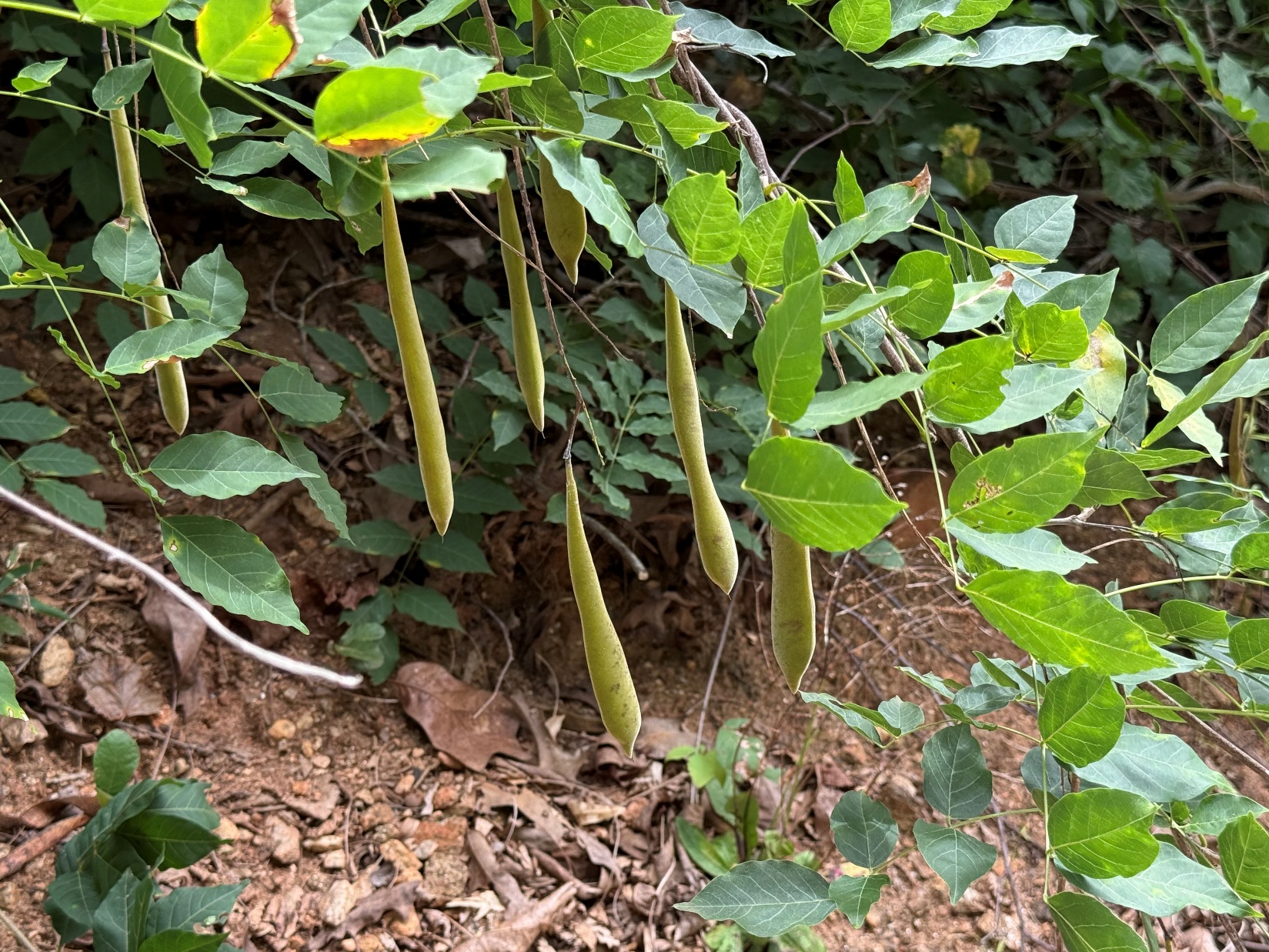
Wisteria vine producing seed pods.
LayLa Burgess, ©2026, Clemson Extension
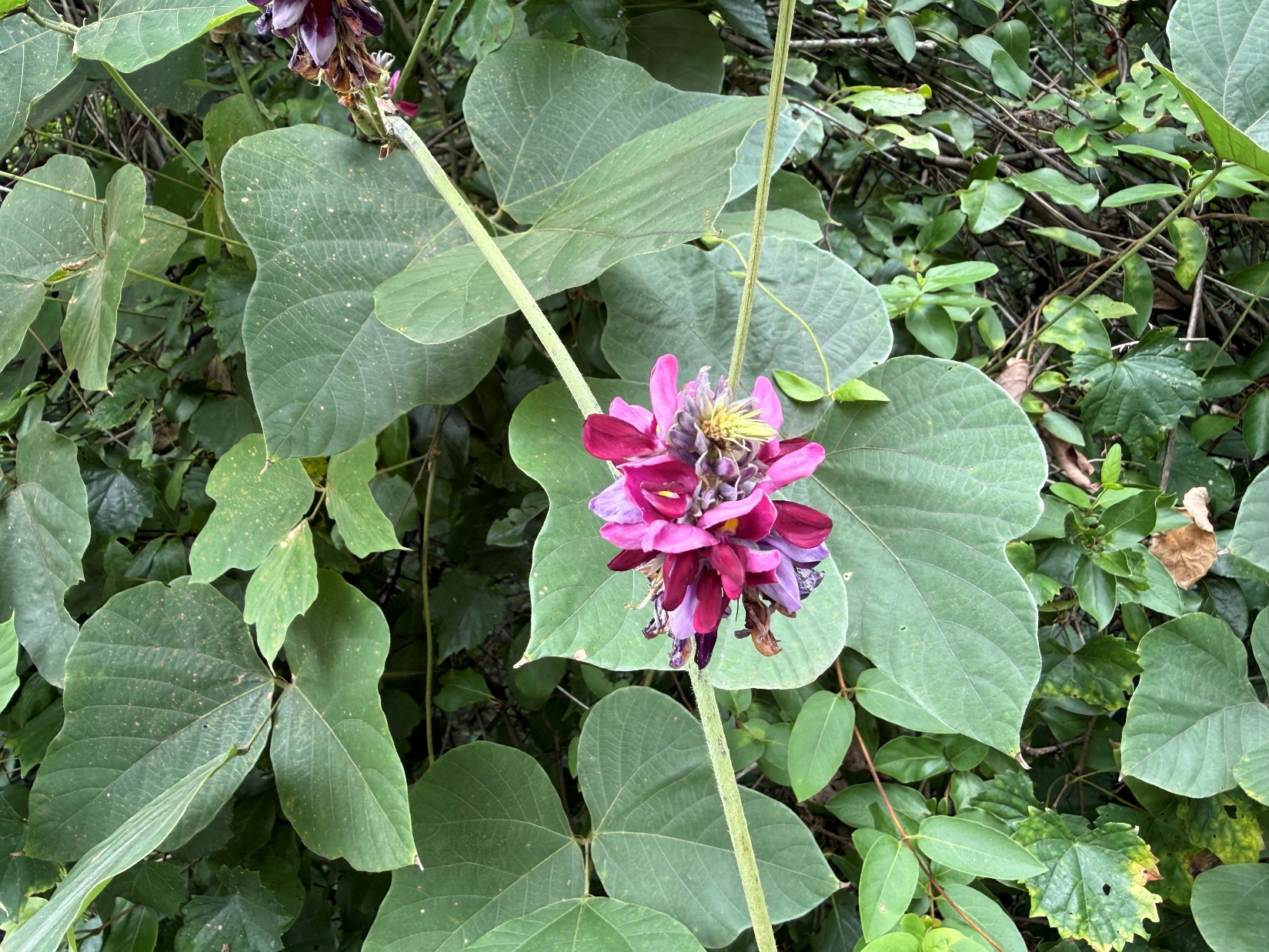
Kudzu in bloom.
LayLa Burgess, ©2026, Clemson Extension
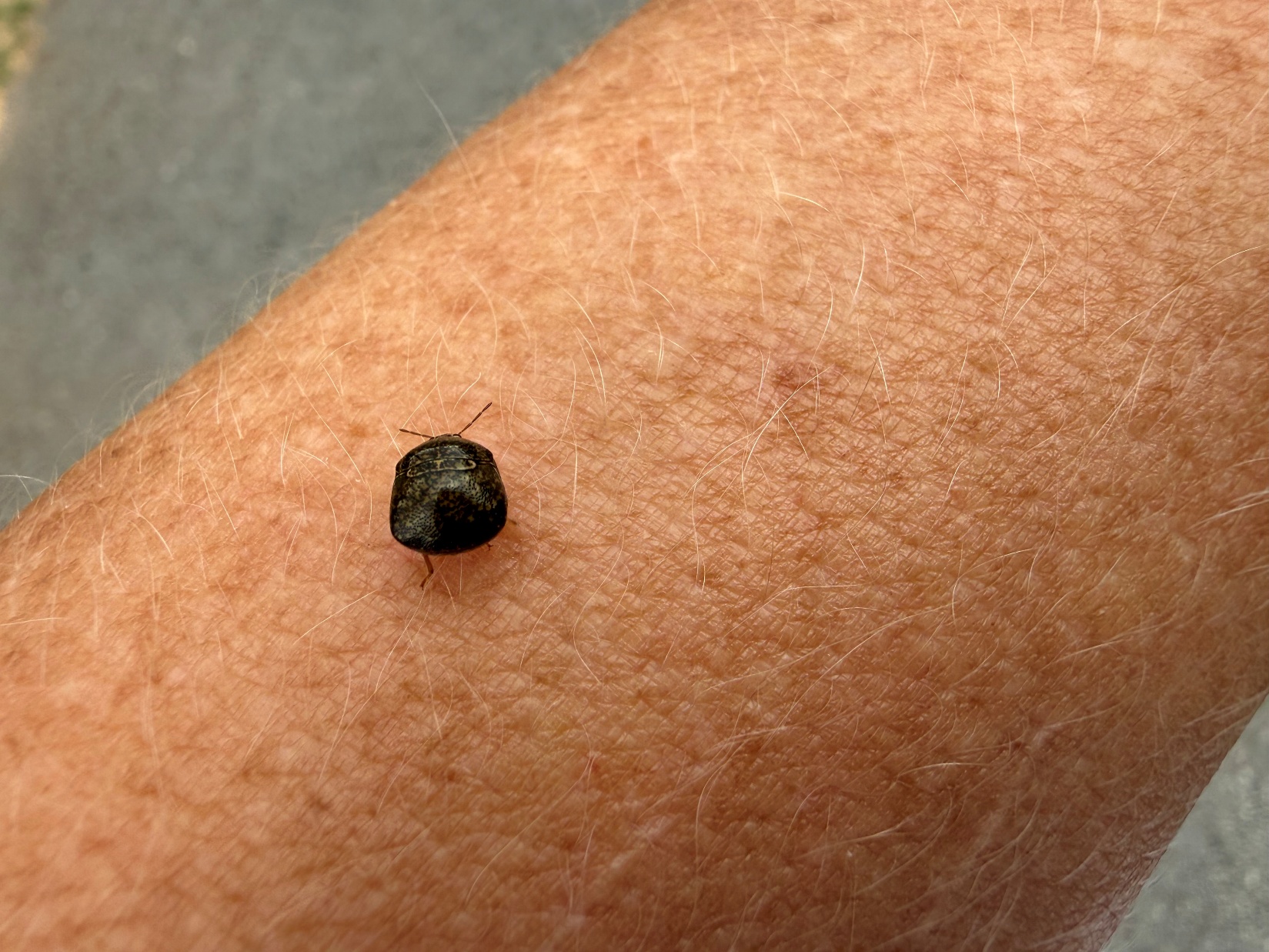
Kudzu bugs emit an odor when disturbed.
LayLa Burgess, ©2026, Clemson Extension
Help Slow the Spread of Emerald Ash Borer
Residents are urged to refrain from moving firewood to “slow the spread” of emerald ash borer (EAB).
Monitor for Tree of Heaven and Spotted Lanternfly
Mature Tree of Heaven (Ailanthus altissima) plants can be found seeding out along roadsides. Tree of Heaven is a preferred host plant for the invasive and devastating pest, spotted lanternfly (SLF). Visit the Clemson University Department of Plant Industry SLF reporting tool to report SLF sightings.
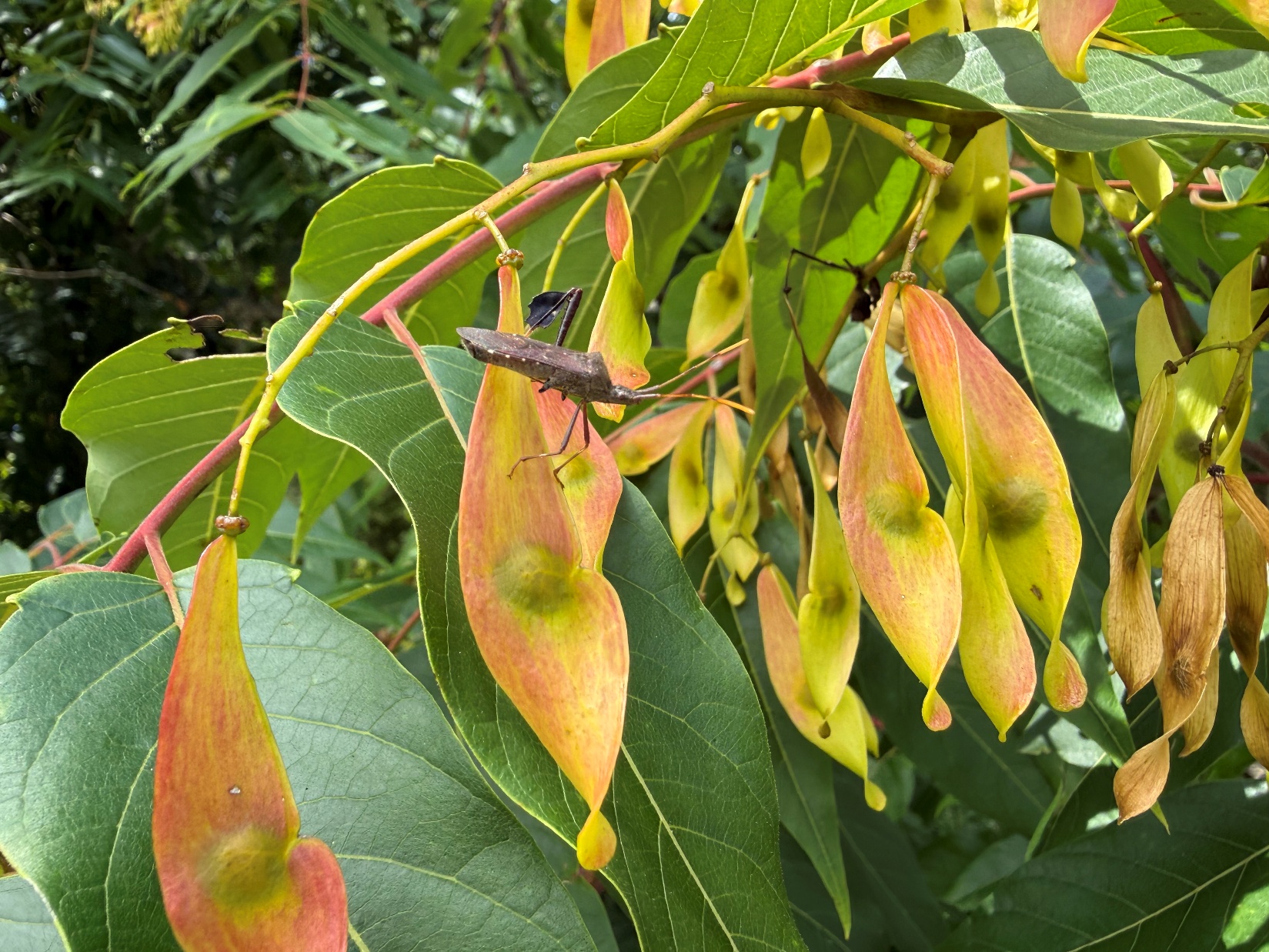
A leaf-footed bug was caught hanging out on Tree of Heaven seed pods.
LayLa Burgess, ©2026, Clemson Extension
Learn About the Bradford Pear Bounty Program
The relationship between the Bradford and Callery pears, and how a supposedly sterile cultivar became an invasive bully in our natural areas, is an interesting one. The Clemson University and SC Forestry Commission joint project, the Bradford Pear Bounty, offers a solution for South Carolina homeowners.
Late Summer Garden Tips for August in South Carolina’s Upstate
As summer winds down, a few simple gardening practices can help extend harvests, preserve flowers, and prepare your landscape for the changing seasons.
Harvest Flowers at the Right Time for Fresh and Dried Arrangements
Flowers don’t tend to last as long in the late summer heat. Cut blooms before they fade to use in flower arrangements. Blue, orange, pink, and bright yellow flowers hold color better in dried flower arrangements than red, purple or white flowers. Reds and purples tend to darken too much, and whites become washed out.
Harvest Squash and Pumpkins to Extend Storage Life
When removing squash and pumpkins from the vine, leave approximately 3 inches of stem attached to the cucurbit. This helps extend the shelf life.
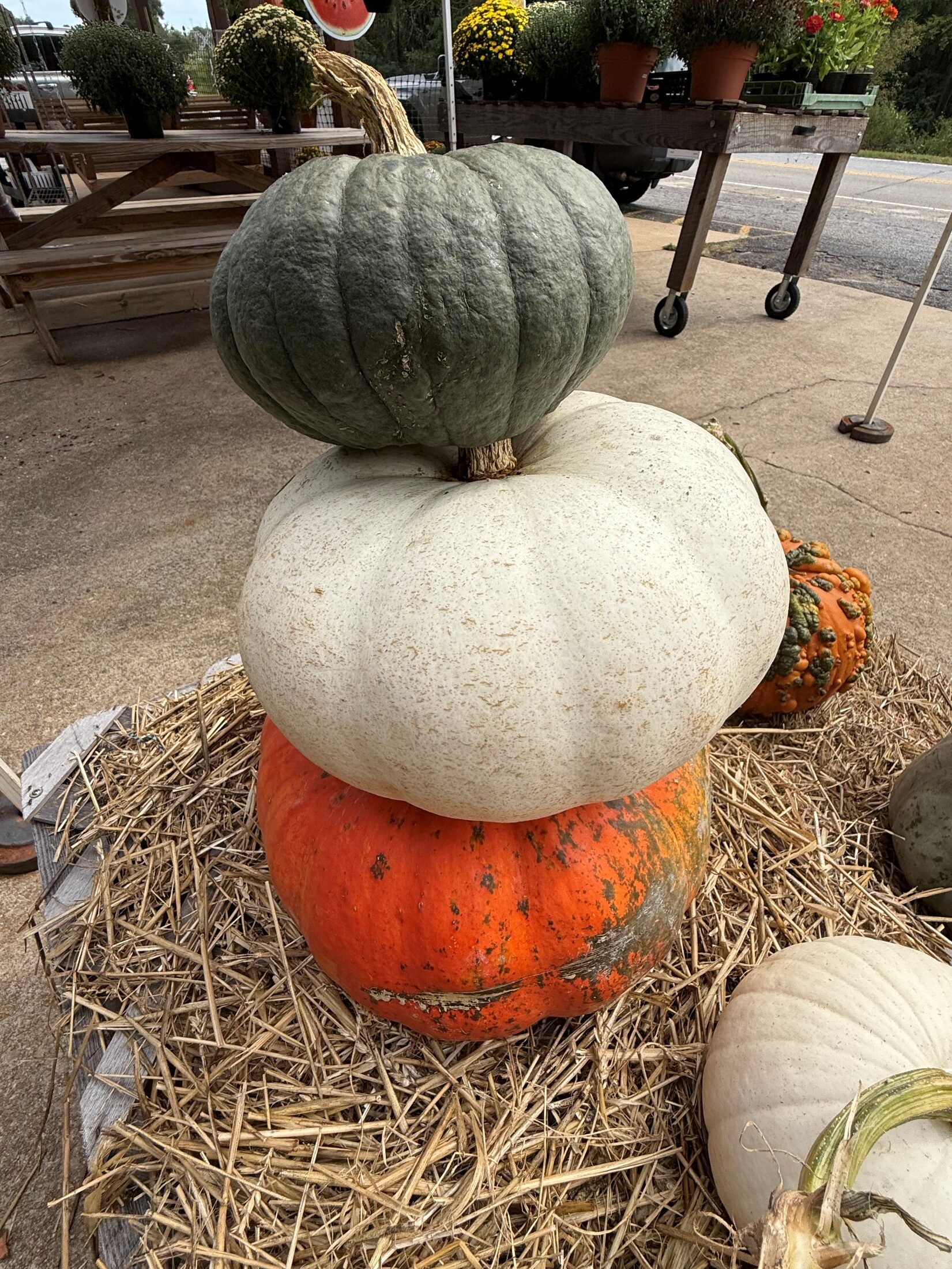
Pumpkin season is approaching. Go natural with holiday decorations this year.
LayLa Burgess, ©2025, Clemson Extension