
Daylily Diseases and Insect Pests in South Carolina
Identify common daylily problems and use cultural practices, monitoring, and labeled treatments to protect plants in South Carolina.
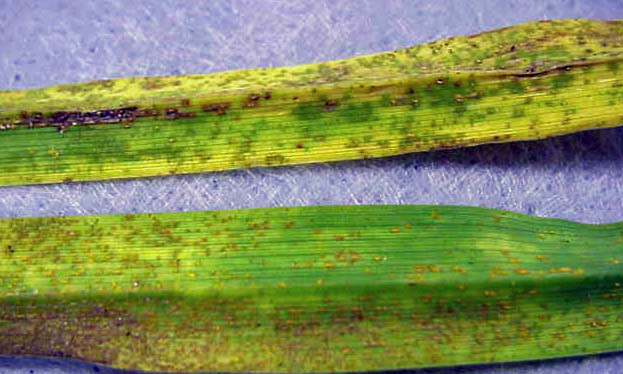
Identify common daylily problems and use cultural practices, monitoring, and labeled treatments to protect plants in South Carolina.
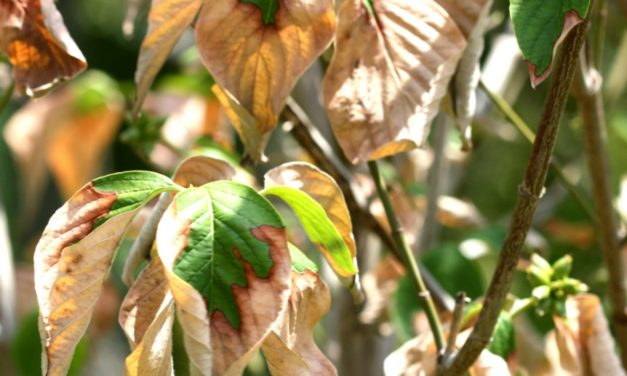
Identify common dogwood diseases and insect pests and learn practical ways to prevent damage and maintain healthy trees in South Carolina.
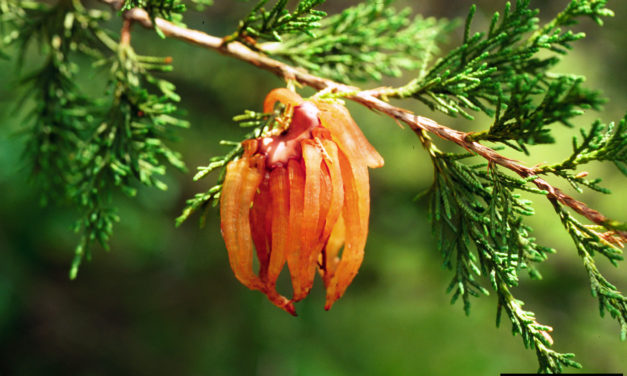
Identify common juniper diseases and insect pests in South Carolina and learn proven cultural, biological, and chemical management strategies to keep plants healthy.
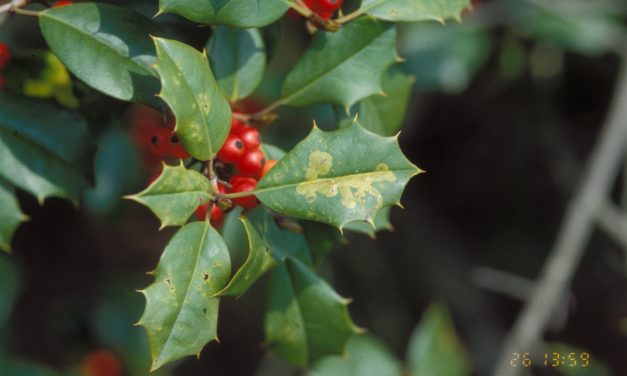
Learn to identify common holly diseases, insect pests, and environmental disorders in South Carolina and manage them using integrated pest management and labeled pesticides when needed.
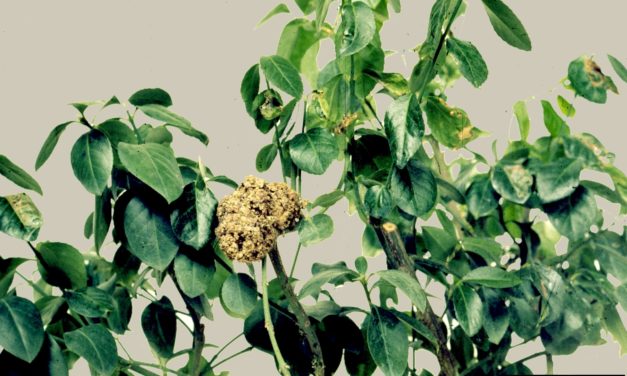
Learn how to identify, prevent, and manage the most common diseases and insect pests affecting euonymus in South Carolina, including powdery mildew, anthracnose, crown gall, and euonymus scale.
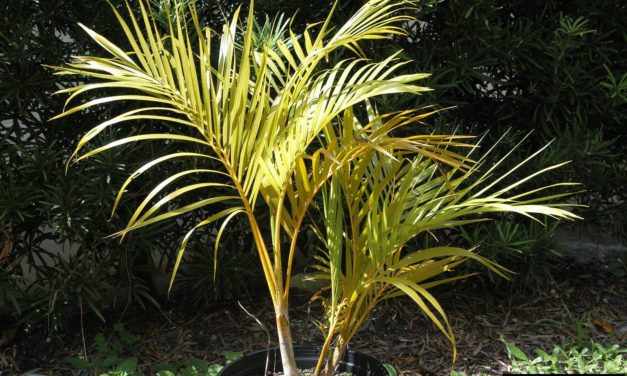
Identify common palm diseases and nutrient deficiencies and learn effective prevention and management practices for South Carolina landscapes.
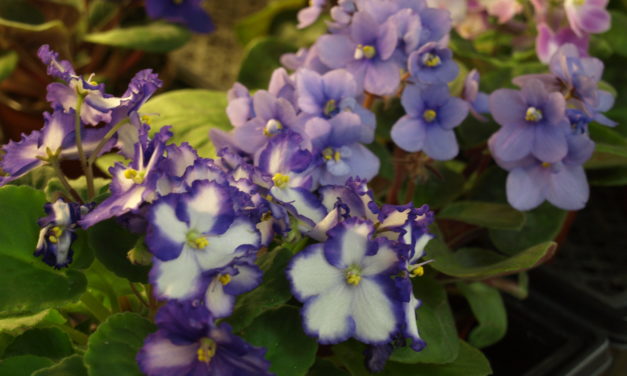
Protect African violets from common diseases and insect pests with Clemson Extension recommendations for identification, prevention, and control.
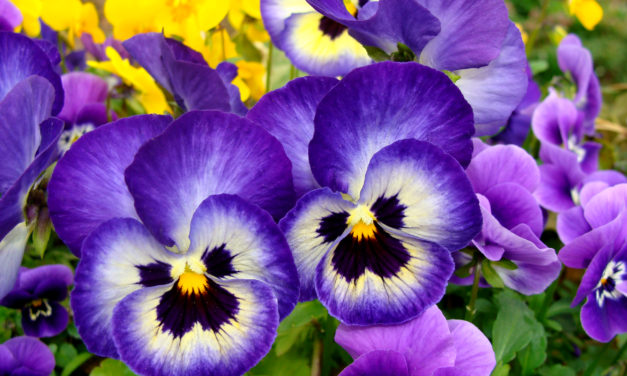
Learn how to identify and manage common pansy diseases, insect pests, and environmental problems in South Carolina landscapes.

Identify and manage common Leyland cypress diseases and insect pests in South Carolina with proven cultural practices and targeted treatments.

Learn to identify and manage common sycamore diseases and insect pests affecting trees in South Carolina landscapes.
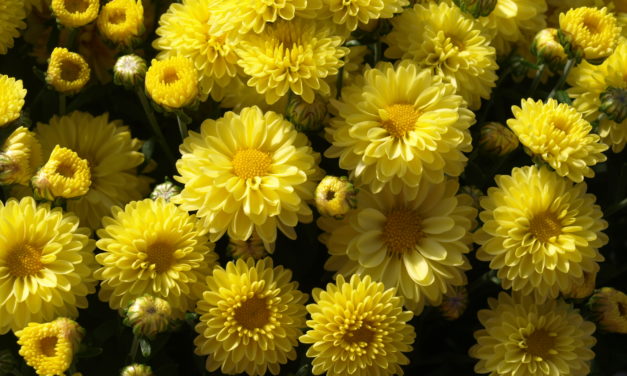
Identify and manage common chrysanthemum diseases and insect pests in South Carolina using cultural practices, resistant varieties, and labeled treatments.
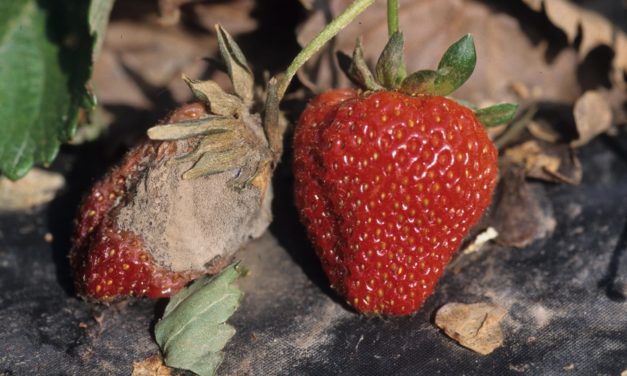
Gray mold (Botrytis blight) is a common fungal disease that affects many garden plants during cool, damp weather. Learn how to identify symptoms and prevent plant damage.