Coastal Region – Christiana Huss
Take advantage of the slow season by planning for the upcoming year. Now is the ideal time to think about these questions.
- What vegetables did you eat the most this year?
- What did you grow too much of?
- Which pests did you fight last year?
Take the time to sharpen and sanitize your tools to help them last longer. You could also organize the shed and implement a new storage system. The cool weather makes hard work so much more enjoyable!
- Add mulch to landscape beds where needed.
- A 2-inch layer of wood, leaf, or straw mulch can help prevent weeds from taking over in the Spring.
- Mulch helps to retain moisture in the soil.
- As the mulch breaks down, it will replenish the soil with nutrients.
- For ornamentals, there is a variety of mulches that can work in your space.
Lastly, enjoy the peace the winter brings!
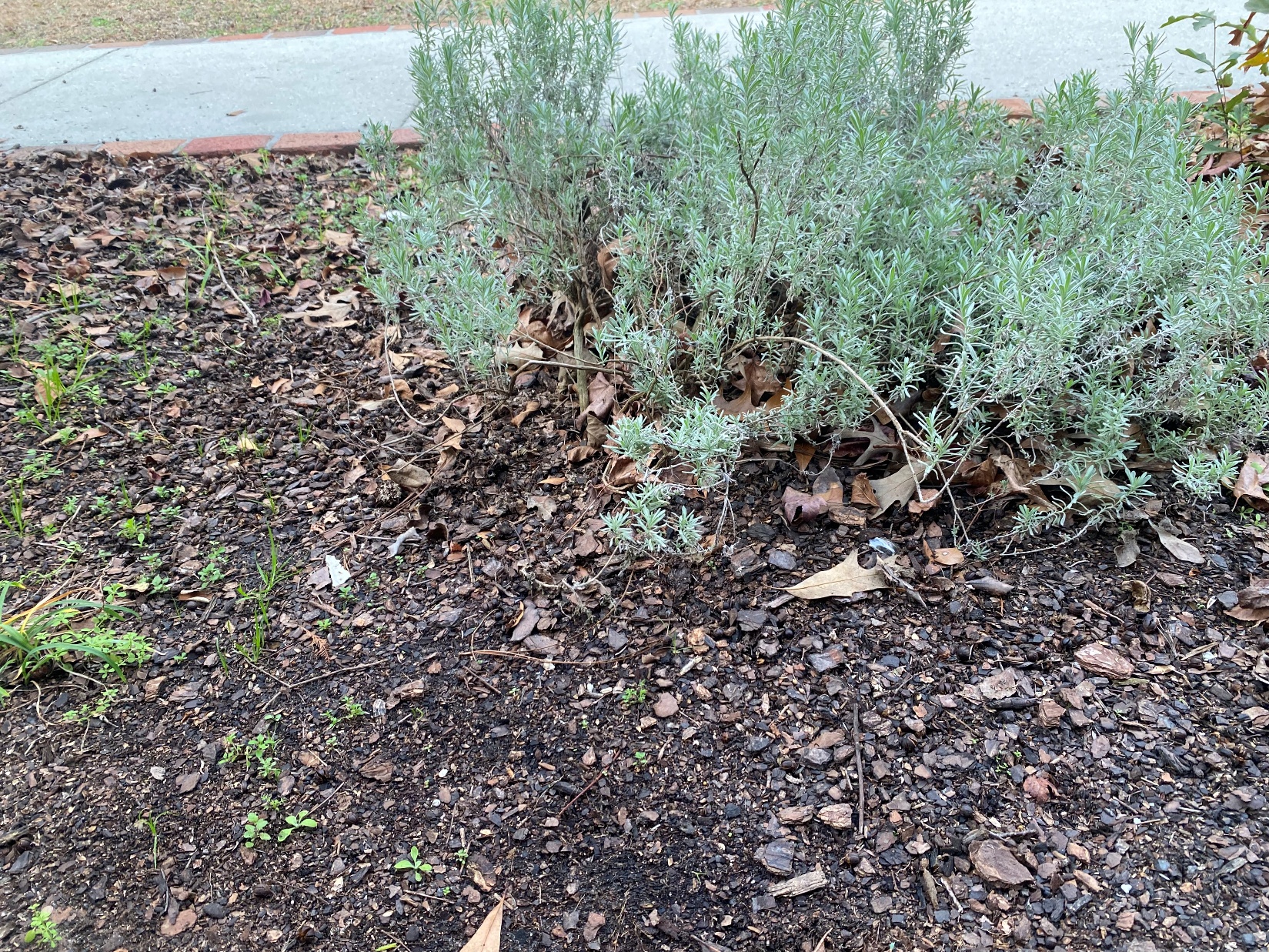
Here is an example of a bed that could use some new mulch to help smother and prevent future weeds.
Christiana Huss, ©2026, Clemson Extension
Midlands Region – Jackie Jordan
January is all about new beginnings and possibilities. January is also a great time to reflect on your garden and plan for new additions.
- If you haven’t had a soil sample, January is a great time to submit a sample. The results will indicate whether you need to add lime or other nutrients to your soil for a variety of crops.
- If your New Year’s goals include starting a vegetable garden, include some herbs. Even if you don’t have a lot of space, many vegetables can be grown in containers.
- Peruse seed catalogs and look for different and exciting varieties to try this year. Maybe try starting seeds indoors this year. LED full-spectrum lights are inexpensive and widely available, making it easy to build a seed-starting station.
- If you want to reduce pesticide use in your garden, attract beneficial insects, and help pollinators, then your landscape will need to offer something in bloom most of the year. Inventory your blooming plants and determine if you need to add selections to fill in gaps in your landscape.
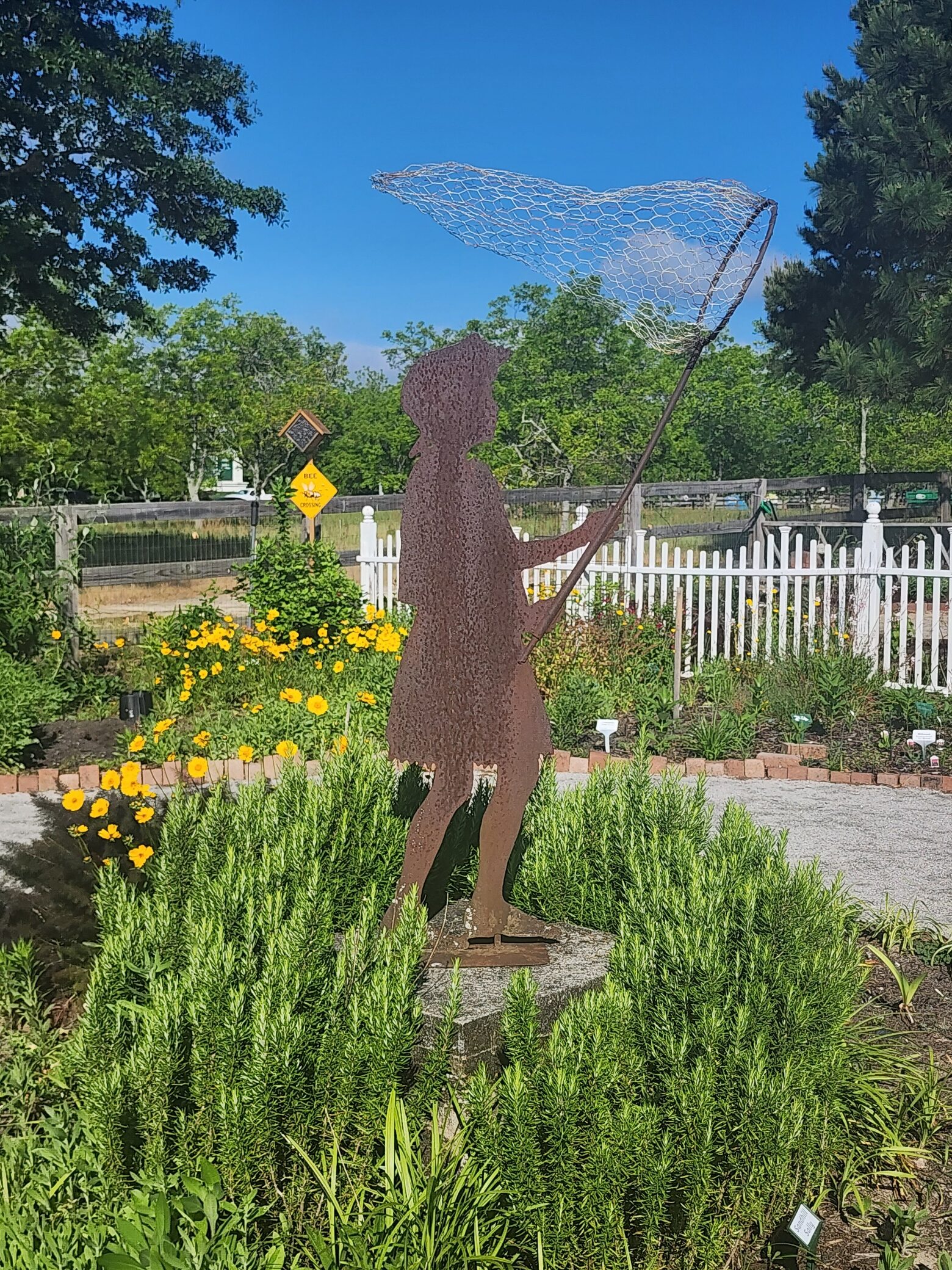
The pollinator garden at the Sandhill Children’s Garden.
Jackie Jordan, ©2025, Clemson Extension
- Is this the year you want to add a butterfly garden? Butterflies need both host and nectar plants.
- Would you like to attract more songbirds to your landscape? There are many great native plants that provide food and shelter. Since our ground does not freeze, January is still a good time to plant trees and shrubs. This will allow time for the new plantings to become established before the summer heat. Ensure to select the right plant for the right place by researching selections through the South Carolina Native Plant Society’s Native Plant Database. Plants can be chosen by size, light requirements, and soil conditions.
- Winterhazel, Chinese paperbush, sweetbox and daphne are winter-blooming, highly fragrant shrubs that thrive in part shade. Consider adding a camellia to your landscape for showy blooms this time of year. Lenten roses can add color to dry, shady areas in the landscape.
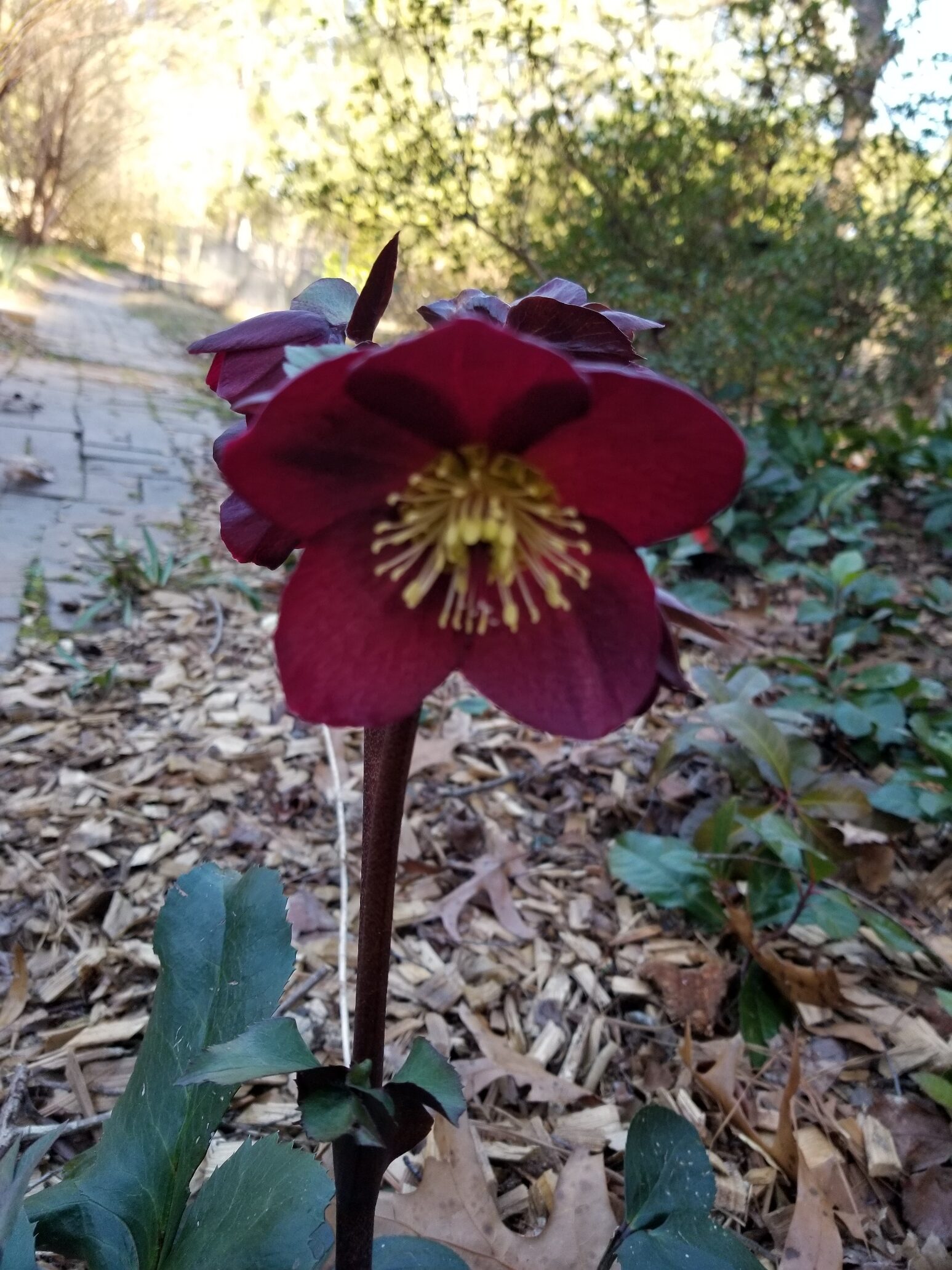
Lenten rose in bloom.
Jackie Jordan, ©2025, Clemson Extension
Upstate Region- LayLa Burgess
- Start planning for a late winter and spring garden now, as seed and nursery catalogs begin appearing in email inboxes and mailboxes. Attend or organize a seed swap for a fun activity with gardening friends.
- Inventory leftover seeds. Toss out those that were not stored properly or don’t appear viable. Viability refers to a seed’s ability to germinate and grow. Good germination and plant vigor are essential when starting seeds indoors for transplanting or direct sowing into the garden in the spring. Consider organizing seed packets by planting date. Start broccoli and cabbage seeds indoors now to transplant in early March.
- Protect bulbs with a light layer of shredded leaves or pine straw mulch. Hardy bulbs typically require little to no winter protection, but pine straw provides a bit of added insulation on cold days.
- Check your houseplants. Lightly dust and clean plant foliage with a damp paper towel. Take this opportunity to remove dead plant material and monitor for pests. Common houseplant pests include mealybugs, scale, aphids, fungus gnats, and spider mites, which often appear in response to overwatering and high indoor humidity. Empty plant drip trays that hold too much water. Clean and store containers and pots that are no longer in use.
- Ensure pruning tools are properly sharpened and well-oiled. Fruit trees, such as apples and peaches, as well as many ornamental woody shrubs and trees, benefit from winter pruning. Focus winter pruning on removing dead, diseased, and broken plant material. Perform heavier pruning to encourage new growth in late winter or early spring, as temperatures increase.
- Apply brightly-colored tape or paint to tool handles, making them easier to locate when working in the garden or landscape.
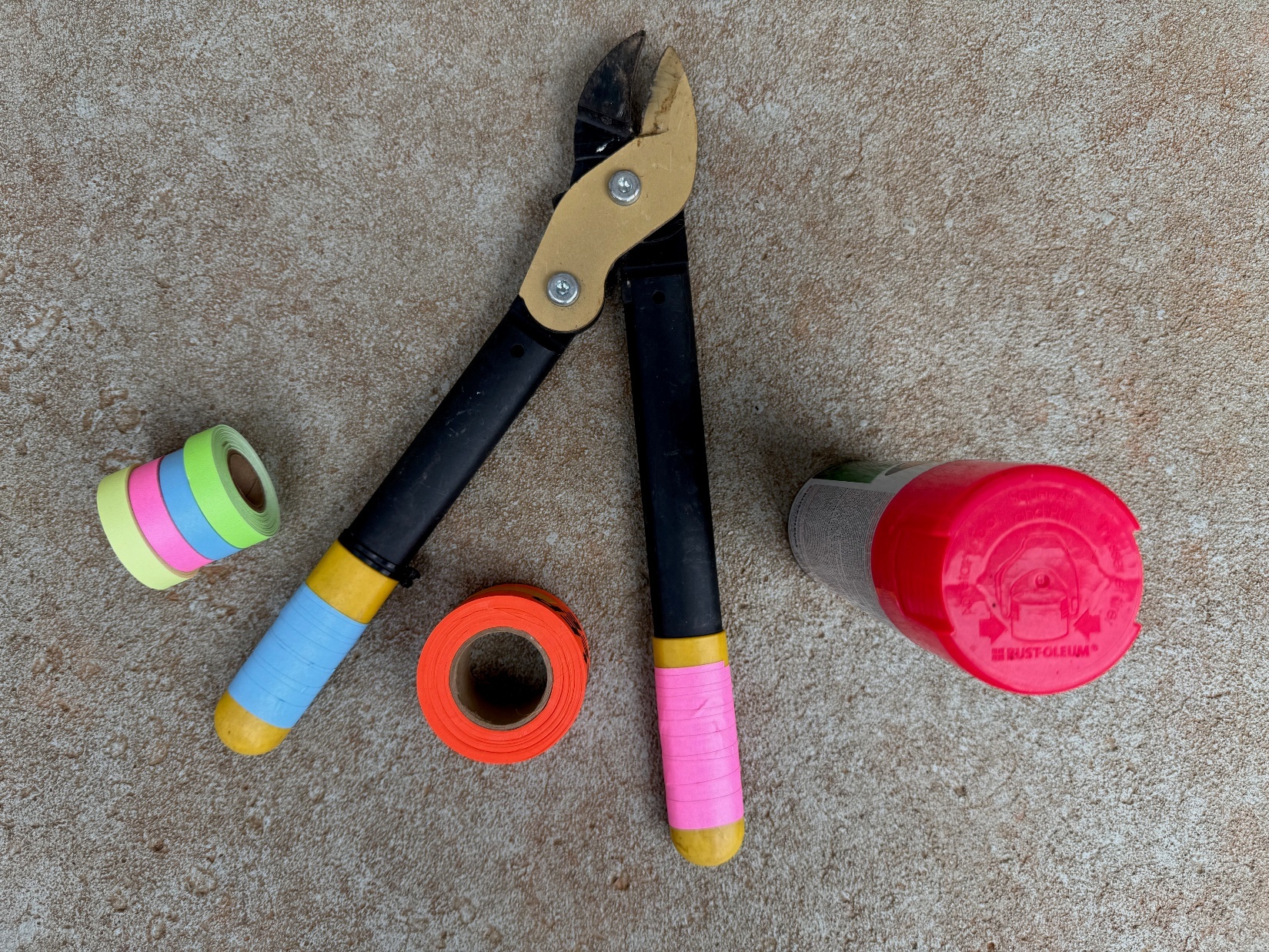
Mark pruning tools with brightly colored label tape, electrical tape, or flagging tape for contrast when left lying in the landscape. Spray paint is also an option. Neon colors, along with blues and pinks, are easy to spot among leaves.
LayLa Burgess, ©2026, Clemson Extension
- Apply a selective post-emergent herbicide if winter weeds appear in the lawn.
For more information, visit:
- Fescue Turfgrass: Managing Weeds in Fescue Lawns
- Dormant Warm-Season Turfgrass: Managing Weeds in a Warm-Season Lawn
- Lawn Weed Control Timing Chart
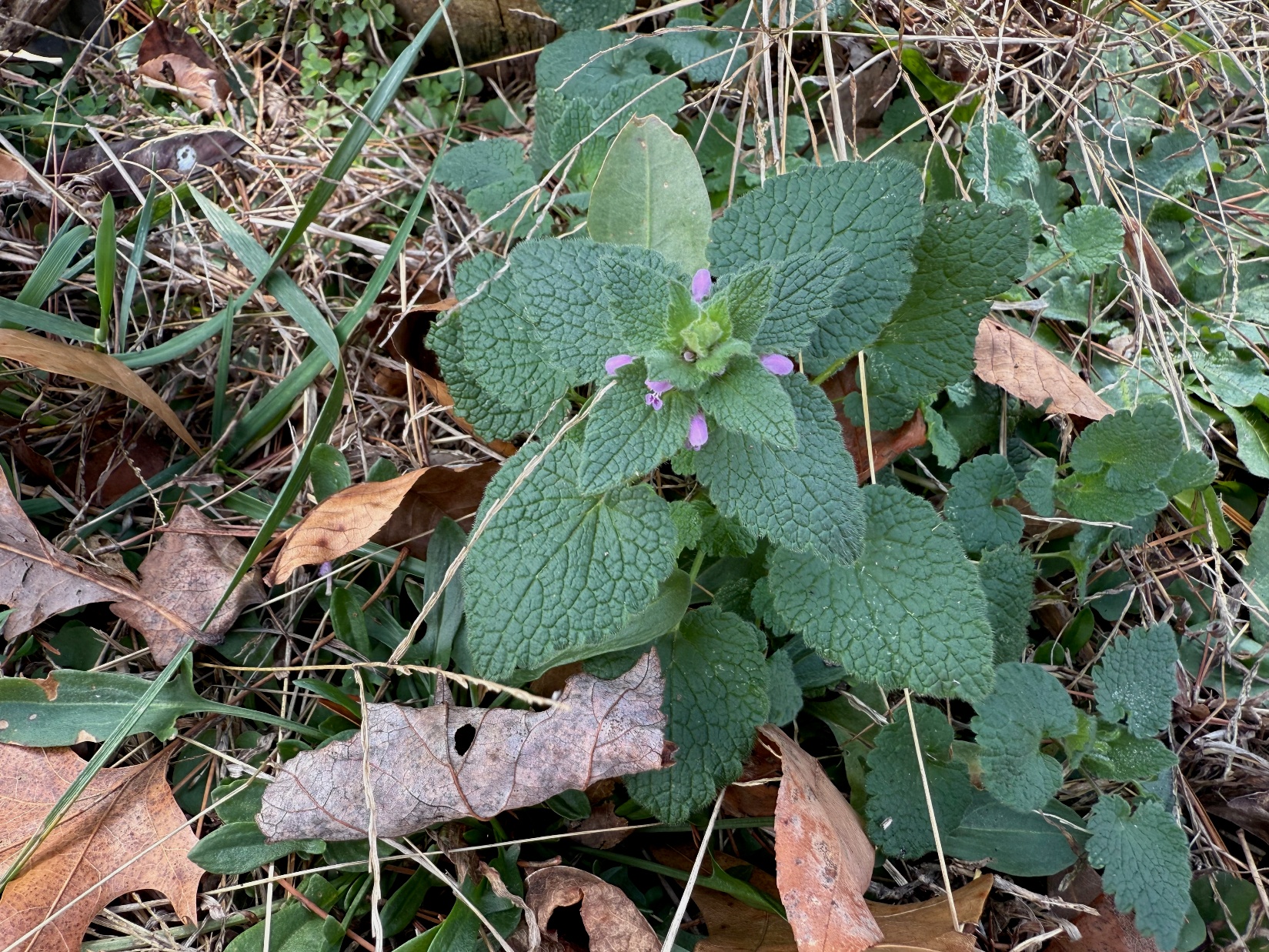
A common weed observed in my landscape this January is Purple Deadnettle (Lamium purpureum).
LayLa Burgess, ©2026, Clemson Extension
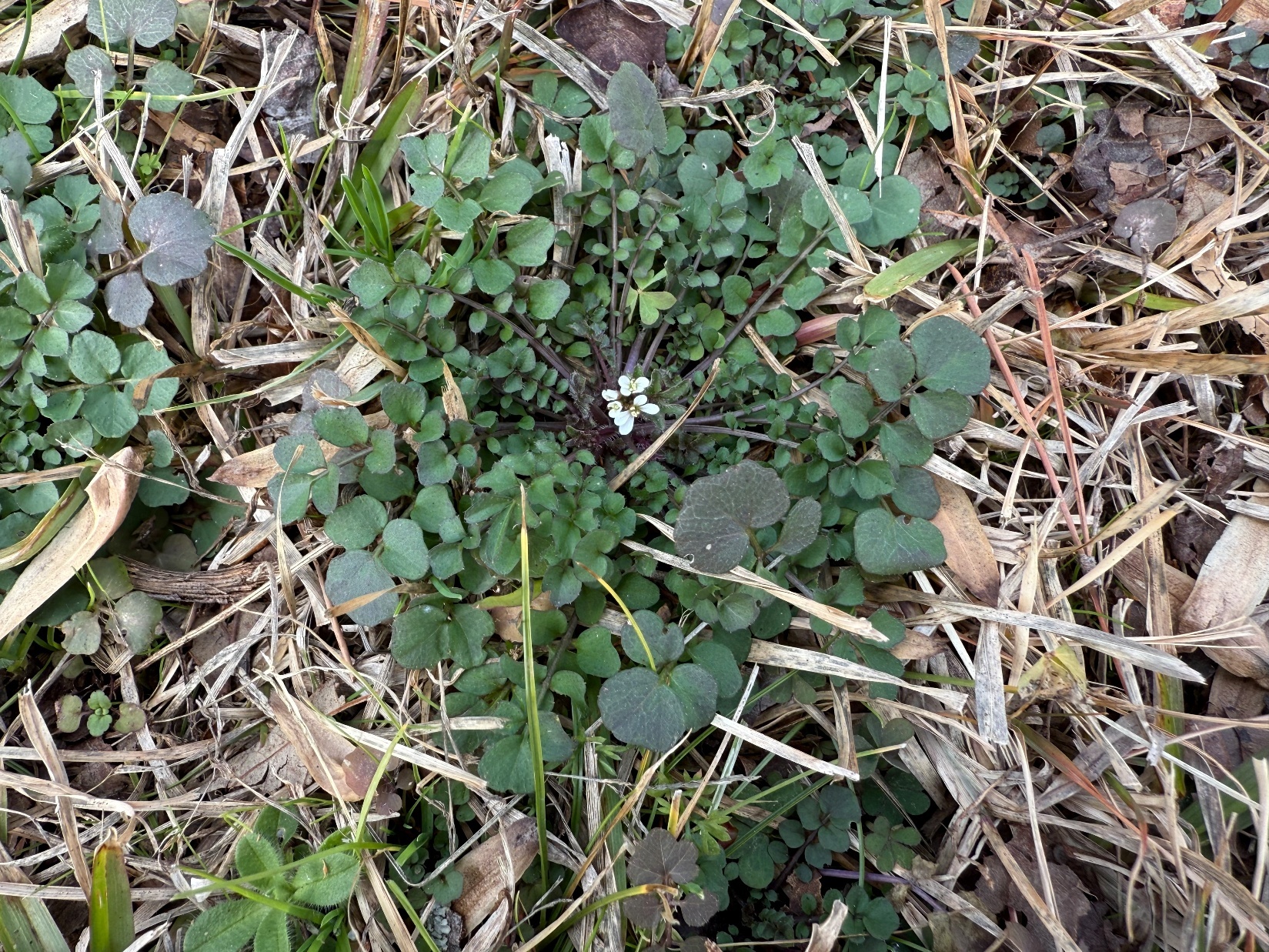
Hairy bittercress (Cardamine hirsute) is already in bloom this January.
LayLa Burgess, ©2026, Clemson Extension
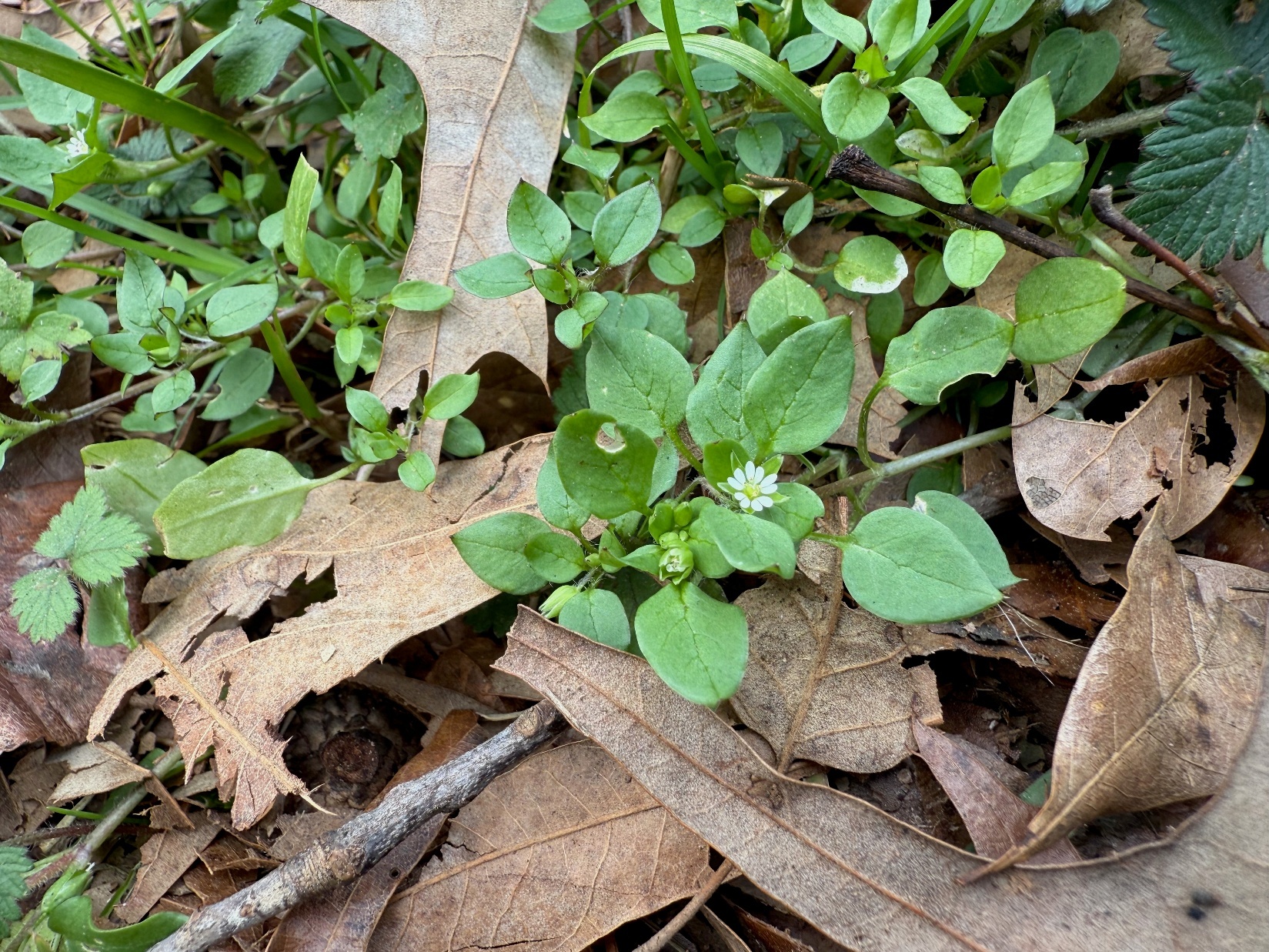
Chickweed (Stellaria media) is popping up in patches for the new year.
LayLa Burgess, ©2026, Clemson Extension