Coastal Region- Brad Fowler
- Reduce Lawn and Landscape Irrigation With fall approaching, it is time to consider significantly reducing the frequency of irrigation for lawns and landscapes. While there are exceptions, most of the landscape requires very little supplemental water. Overwatering may cause disease and eventual death of the plant.
- Stop Nitrogen Fertilizer Applications
Do not apply fertilizers with nitrogen to the lawn after September 1st. Applying nitrogen late in the year will encourage turf grasses to put on an abundance of new growth at a time when the lawn should be naturally slowing down and eventually going into dormancy.
- Apply fungicides to the lawn early in the fall to help prevent disease problems. Multiple applications may be needed but remember to follow all pesticide label instructions for application rates and other usage details.
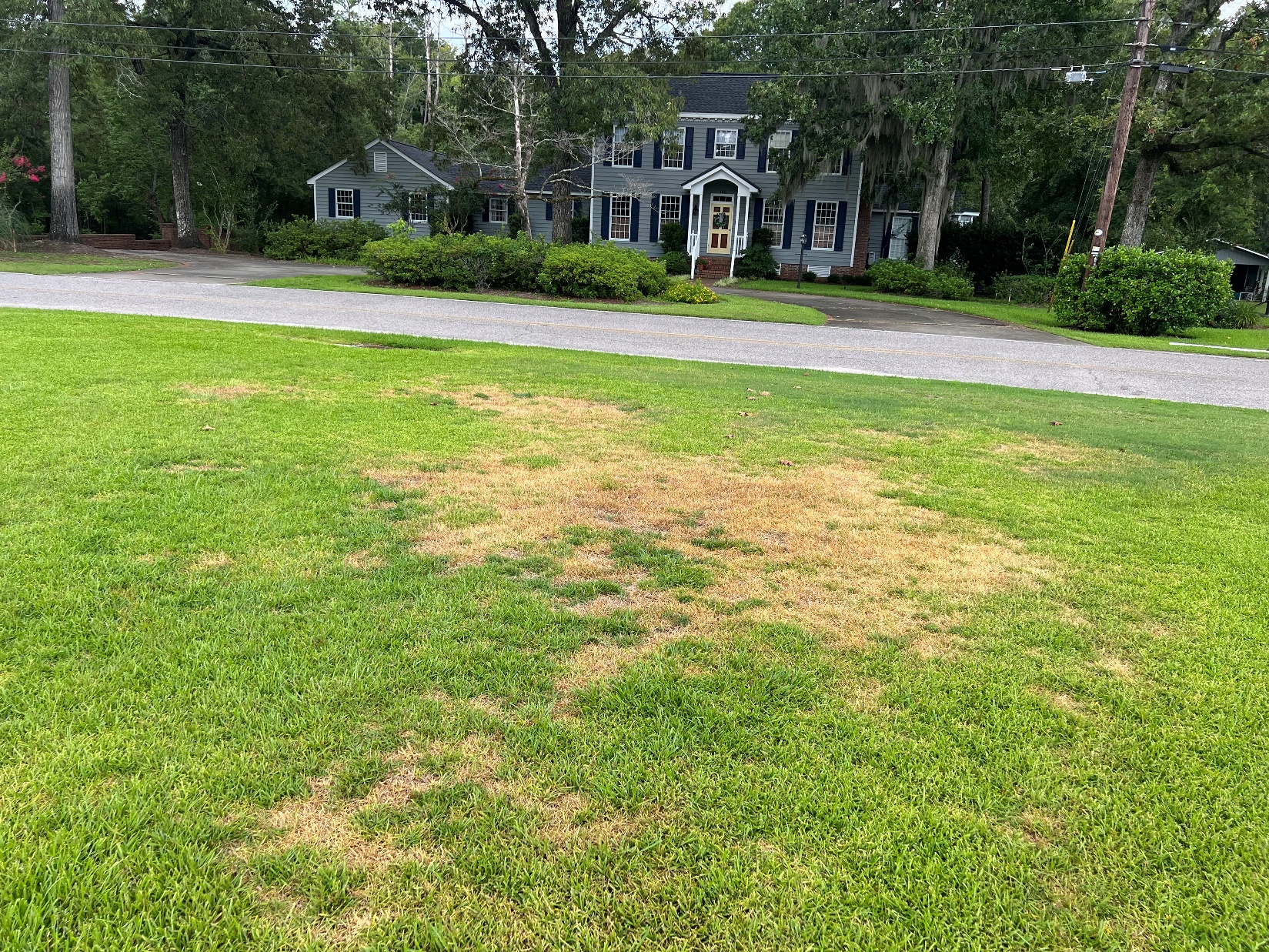
Fungal diseases can seriously damage lawns and need to be treated quickly.
Brad Fowler, ©2025 HGIC, Clemson Extension
- Overseeding with Ryegrass Not Recommended
While late September would be the right time to over-seed lawns with Annual Ryegrass, it is not recommended for homeowners. This is due to a number of factors like maintenance requirements and competition between turf grasses. Over-seeding with Ryegrass usually results in damage to the permanent warm-season lawn.
- Best Time to Plant Woody Trees and Shrubs
Plant woody trees and shrubs starting in mid September. Planting in the fall allows woody plants to get established while temperatures are milder and less water is required.
- Fall Fire Ant Bait Applications
Apply fire ant bait mid to late September to ensure a significant reduction in fire ant populations. Baits applied twice a year, in the spring and fall, provide long-term control of fire ants.
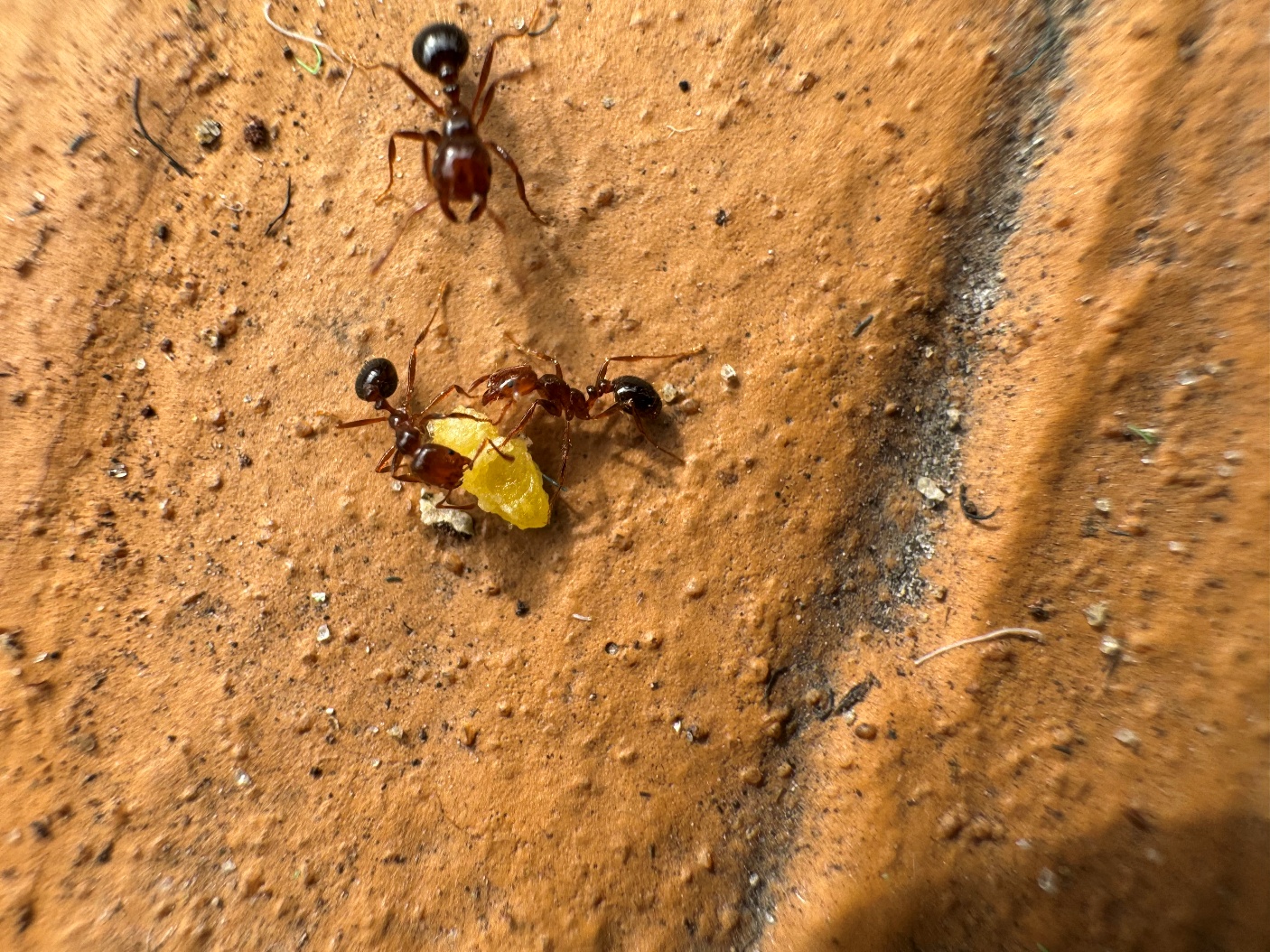
Ants take baits back into the mound.
Brad Fowler, ©2025 HGIC, Clemson Extension
- Start Fall and Winter Vegetables
Plant fall and winter vegetables early enough in the fall to ensure they get established before a hard freeze.
Midlands Region – Jennifer Weaver
Beneficial and Harmful Insects in Late Summer
- Black and Yellow Garden Spider (Argiope aurantia)
A member of the orb-weaving spiders which build spiral wheel-shaped webs. Other common names are zipper spider or writing spider because they weave a white, zigzag, structure in the middle of their web. This is called the stablementum. Some experts think it gives stability to the web while others believe it attracts insects to the web or keeps birds from flying into the web.
-
- All spiders are carnivorous feeding primarily on insects such as gnats, aphids and mosquitos. They are considered beneficial and their presence actually helps rather than harms landscape and garden plants!
- Azalea Caterpillars (“Labor Day” Caterpillars)
- These caterpillars have earned the nickname because they hatch in mid to late August. They primarily attack azaleas, especially the indica varieties although they sometimes attack blueberries.
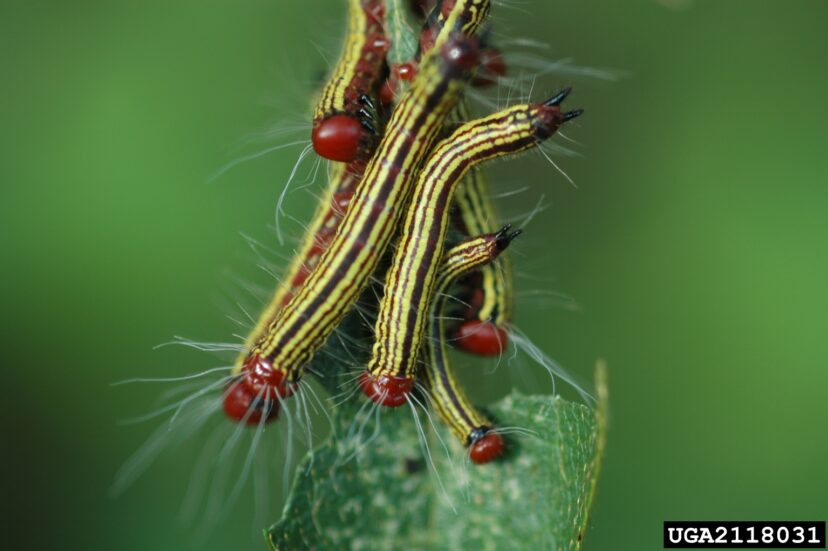
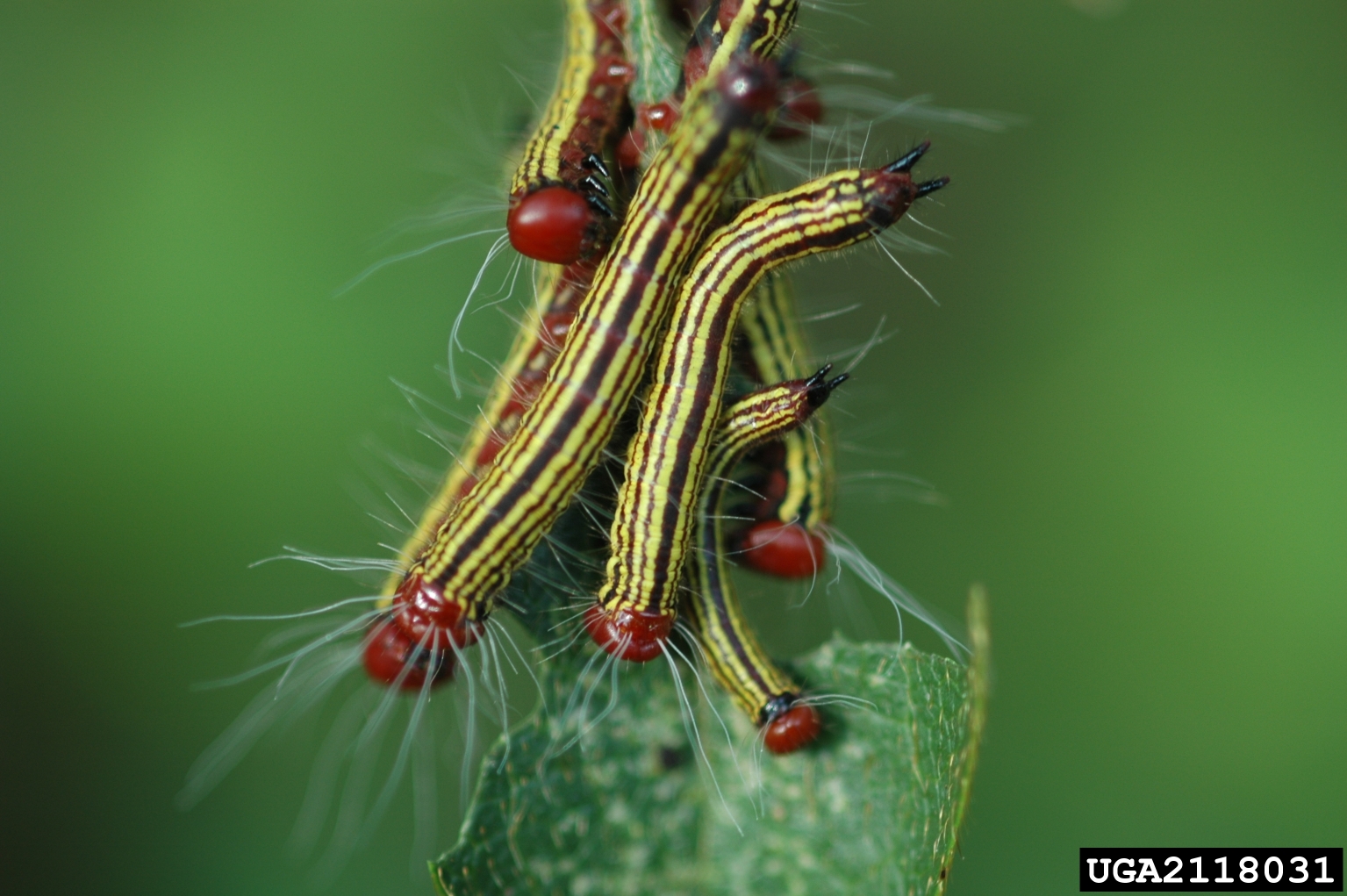
Azalea caterpillar (Danta major).
Chris Evans, University of Illinois, Bugwood.org
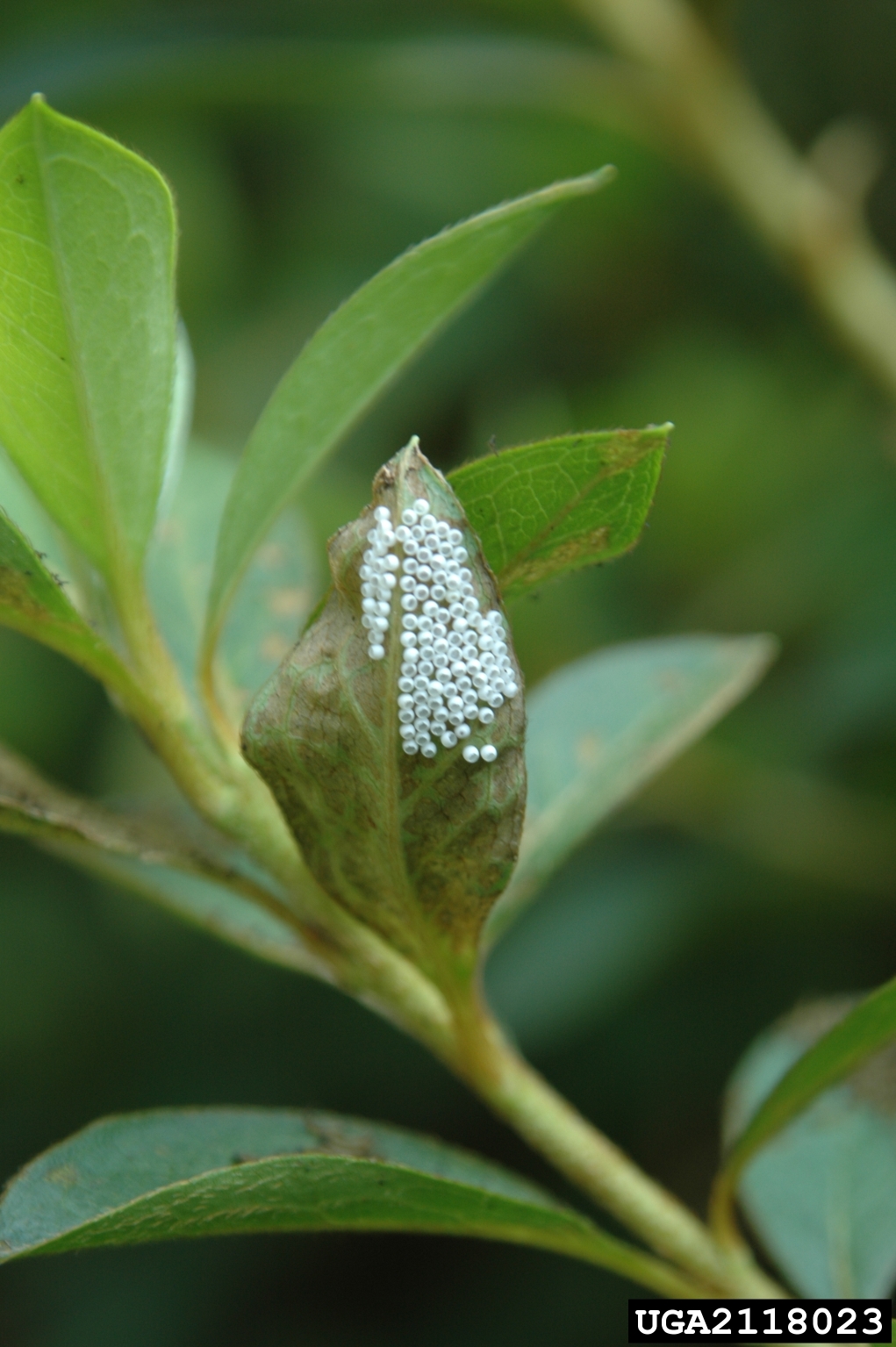
Azalea caterpillar eggs.
Chris Evans, University of Illinois, Bugwood.org-
- Young azalea caterpillars have a yellow body with black longitudinal stripes and a red head. As they grow, they molt into a black body checkered with white or yellow with a red head that can turn almost purplish.
- They can strip foliage and weaken plants very quickly, so scout for young larvae and control to prevent serious defoliation.
- They are harmless to humans and can be picked off and dropped into a bucket of soapy water.
- As with most caterpillars, they will eat 80-90% of the leaves the last 3-4 days before they drop down and burrow into the soil to pupate. This is where they will spend the winter to emerge in late spring as adult moths and begin the cycle again.
- Various caterpillars and wasp larvae including leaf-rollers, orangestriped oak worms, oak skeletonizers and green-striped maple worms may be found feeding on the leaves of shade trees this time of year. This late season damage is usually minimal and control is not typically needed.
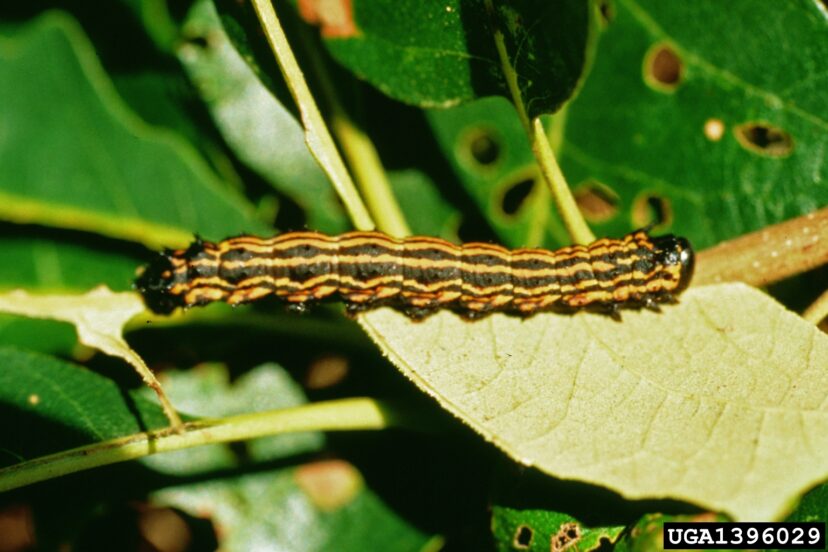
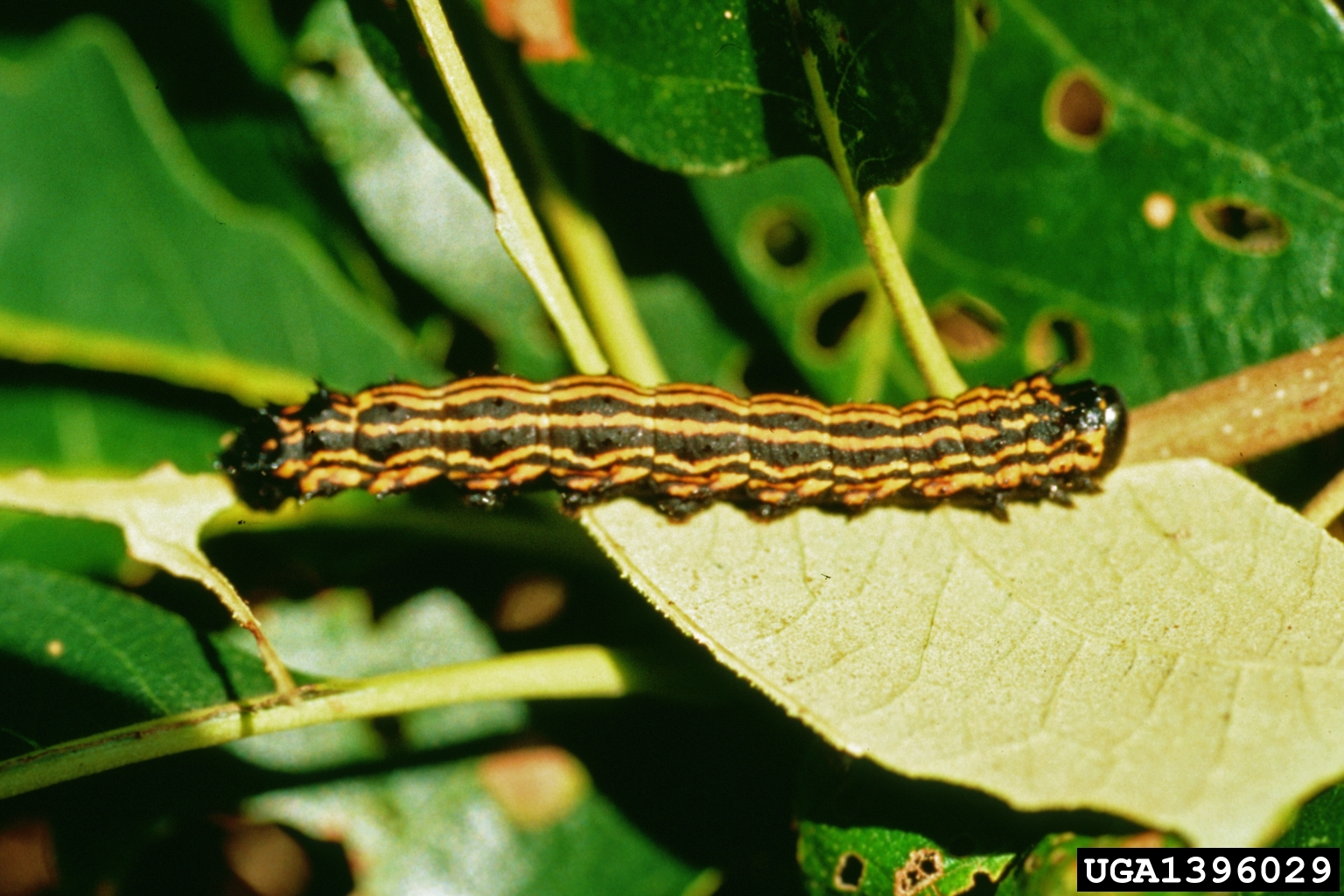
Oakstripped Oakworm (Anisoto senatoria).
USDA Forest Service – Northeastern Area , USDA Forest Service, Bugwood.orgLandscape and Pollinator-Friendly Practices
- Delay Pruning Perennials
Wait to prune perennials until late next spring so their stems can provide nesting and overwintering habitats for beneficial insects. Some solitary bees overwinter in hollow or pithy stems in plants such as blackberries, joe-pye weed and bee balm.
- Plant Diverse Screening Borders
When you are selecting plants and trees for a screen, avoid planting a monoculture. Instead plant a mixed border combining evergreen and deciduous plants so if a pest or disease attacks your plants, you do not lose the entire planting.
- Fall-Blooming Perennials for Pollinators
Fall-blooming perennials are important for our pollinators, which still need food and shelter to gather energy and resources to prepare for winter. Choose native plants whenever possible!
-
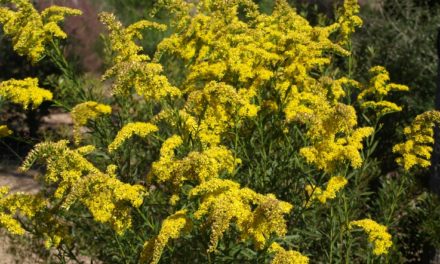
- Goldenrods (Solidago spp.) support a large community of bees (some are rare and can only use specific types of pollen), butterflies, flies and wasps.
- Mexican bush sage (Salvia leucantha) like other salvias is loved by hummingbirds. (non-native)
Upstate Region- Ginger Long
Plant Annual Flowers for Fall and Winter
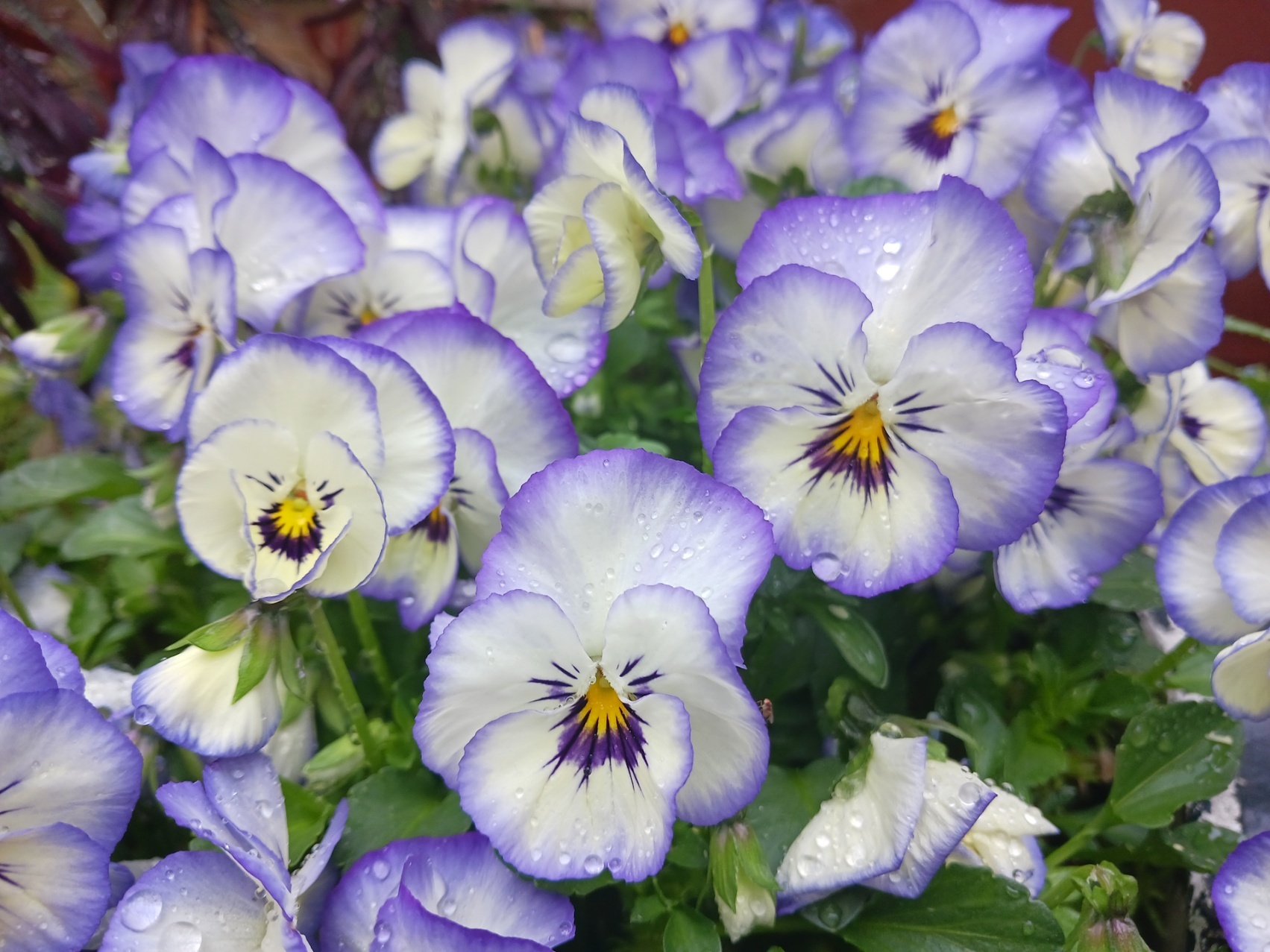
Plant cool-season annual flowers starting in September for blooms this fall and winter. The root systems of the flowers will establish before colder weather arrives. Snapdragons, pansies, violas, ornamental cabbage, kale, dianthus, and sweet alyssum can be planted in the fall.
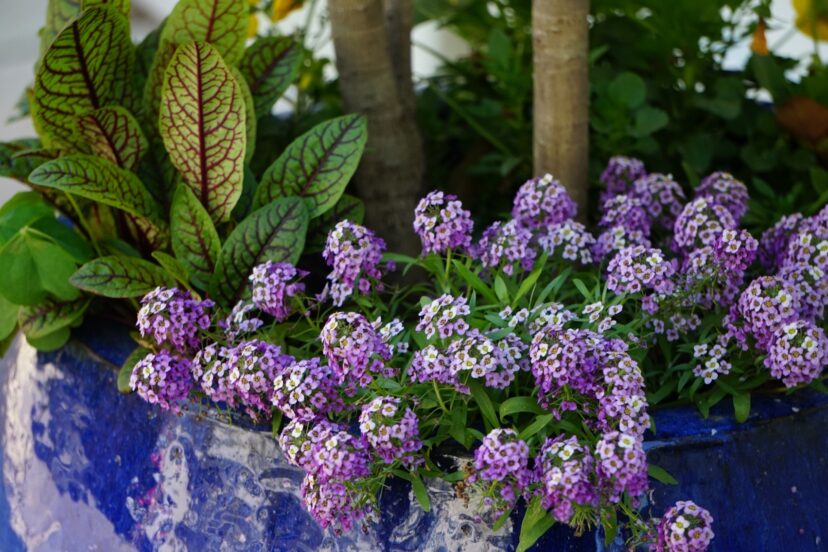
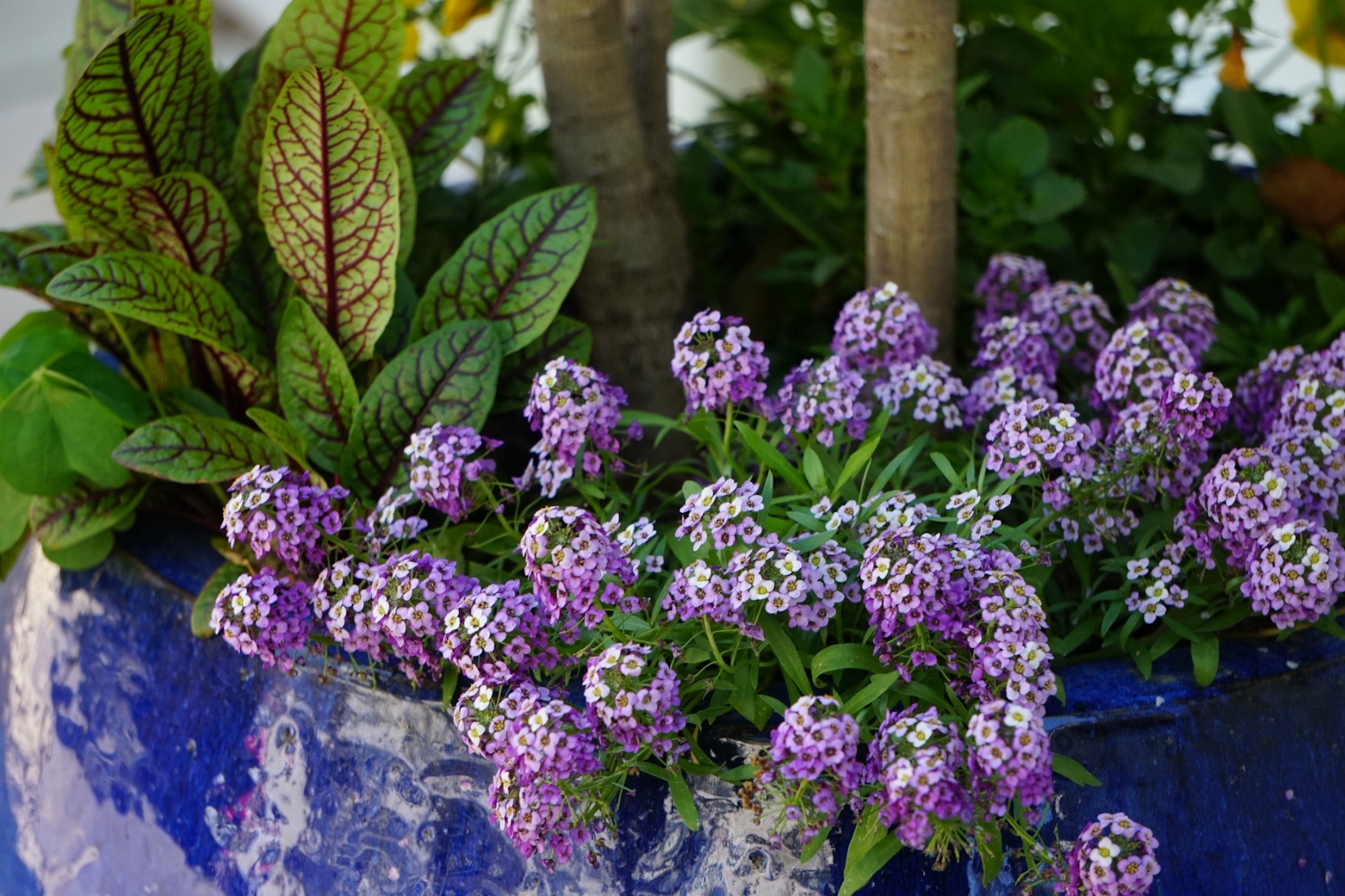
Plant containers in September, with purple sweet alyssum (Lobularia maritima) and red-veined sorrel (Rumex sanguineus) for flower and foliage color in fall and winter.
Barbara H. Smith, ©2022 HGIC, Clemson Extension
Violas (Viola cornuta Penny™ Purple Picotee) are cold-hardy winter annuals that bloom from fall through spring.
Ginger E. Long, © 2024 HGIC, Clemson ExtensionDivide and Transplant Perennials
Many perennials can be divided this month. Daylilies (Hemerocallis sp.), hostas (Hosta sp.), black-eyed Susans (Rudbeckia sp.), garden phlox (Phlox paniculata), yarrow (Achillea millefolium), and coneflowers (Echinacea sp.) can be divided every three to five years.
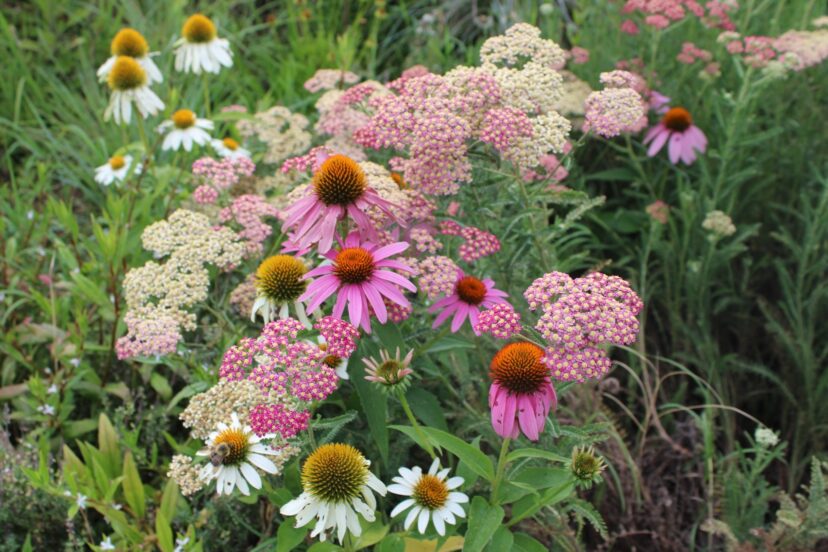
Coneflowers (Echinacea sp.) and yarrow (Achillea sp.) can be divided and transplanted in September.
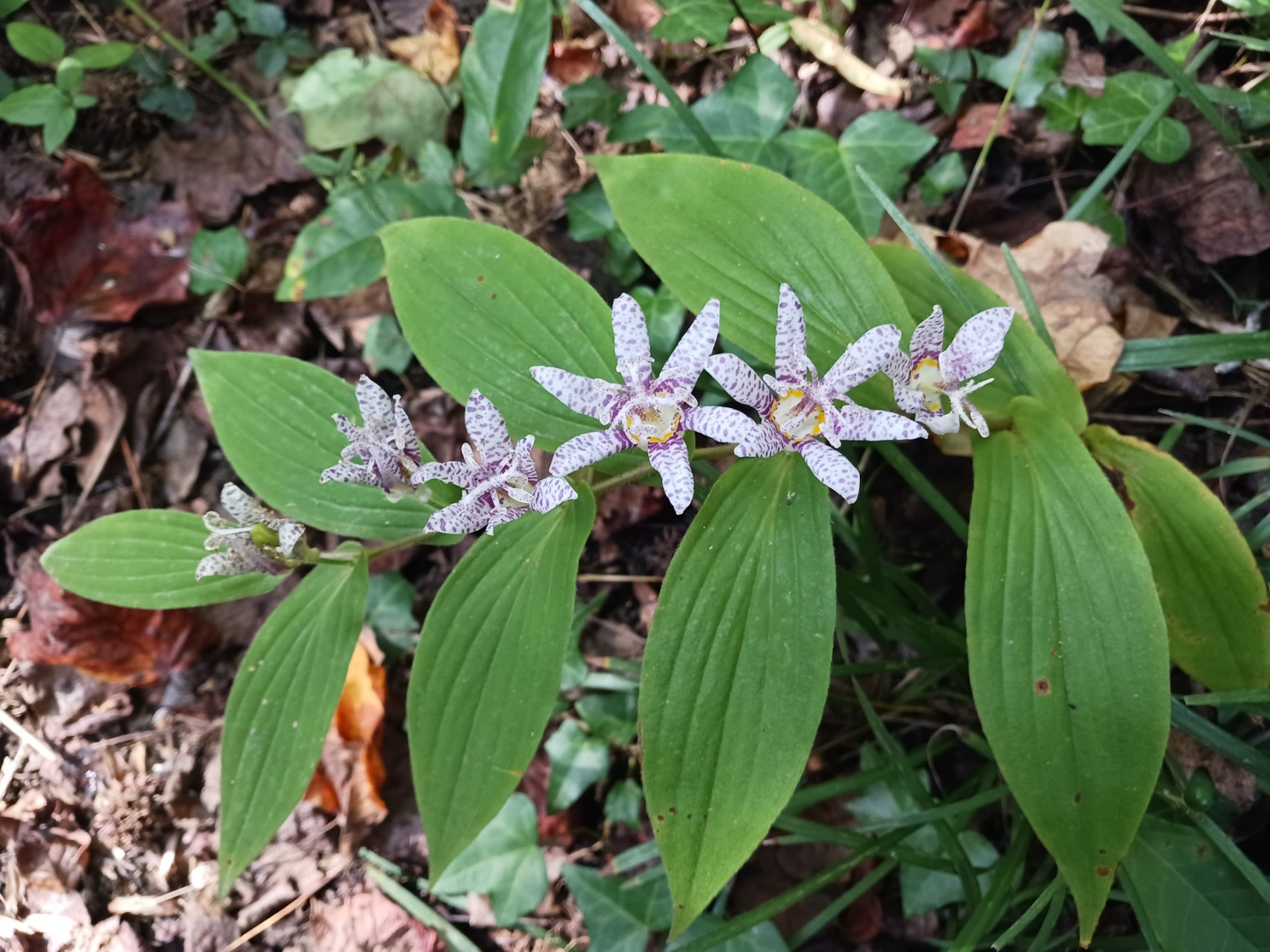
Ginger E. Long, © 2024 HGIC, Clemson ExtensionLook around your garden, are there many flowers blooming this time of year? If not, add more fall-blooming perennials to your garden. Japanese anemones (Anemone x hybrida), toad lilies (Tricyrtis sp.) and pink turtlehead (Chelone lyonii) are good fall bloomers for the shade garden. For sunny areas, plant sedum (Sedum sp.), Mexican sage (Salvia leucantha), and asters (Symphiotrichum sp.).
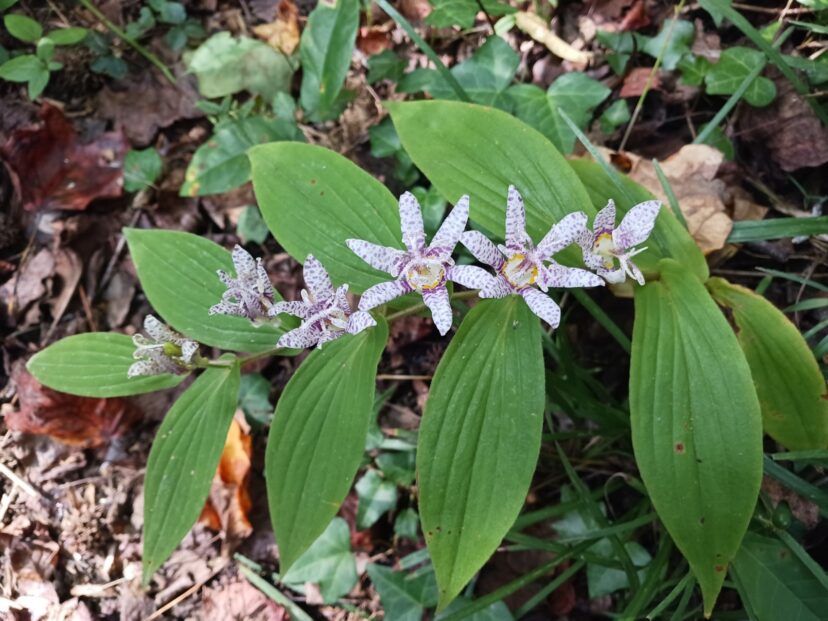
Add toad lilies (Tricyrtis hirta ‘Miyazaki hybrids’) to a shady garden for blooms from late summer through fall.
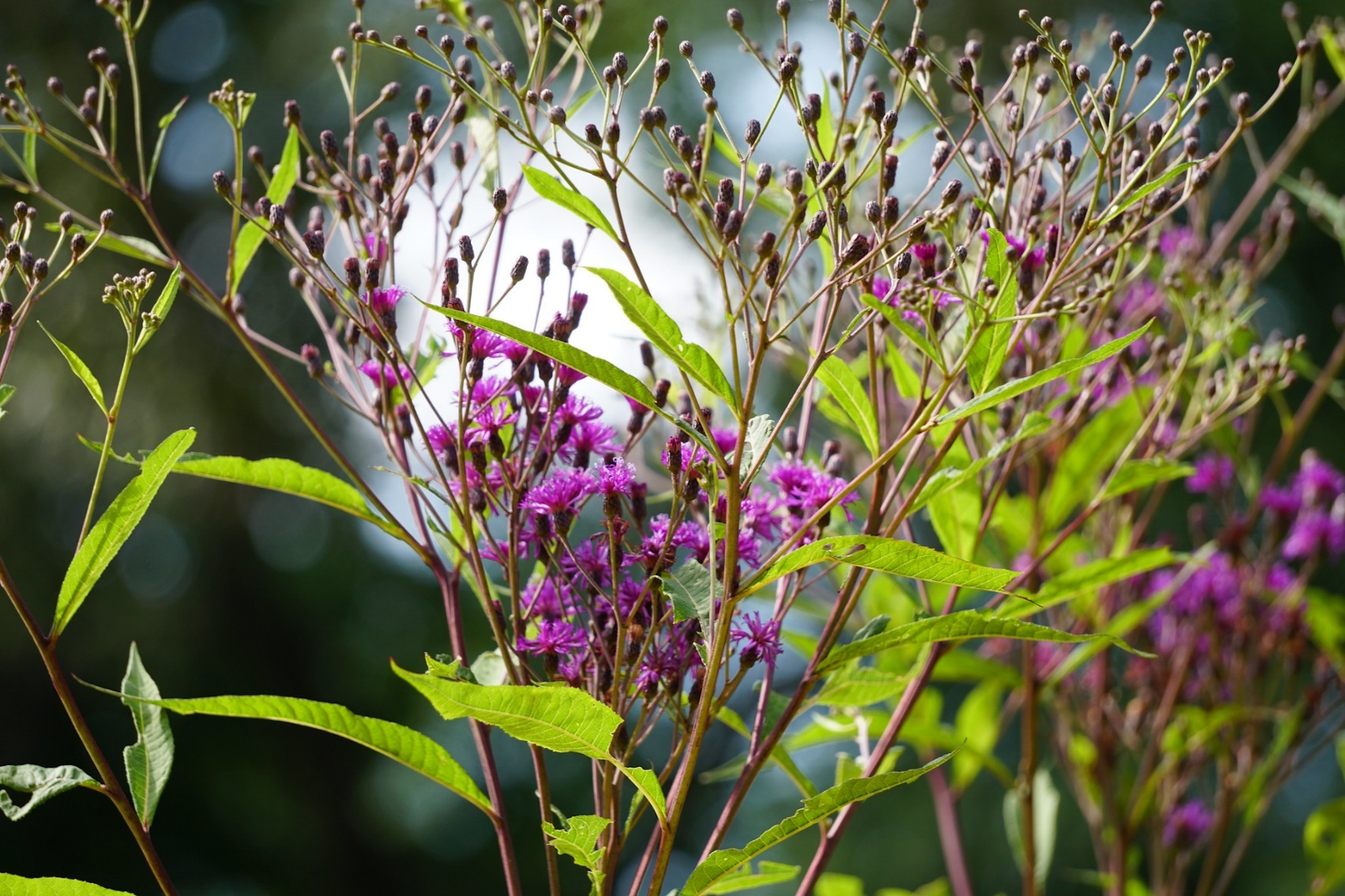
Ginger E. Long, © 2024 HGIC, Clemson ExtensionTo add more fall-blooming natives to your garden, plant goldenrod (Solidago sp.), ironweed (Vernonia sp.), and blue mistflower (Conoclinium coelestinum).
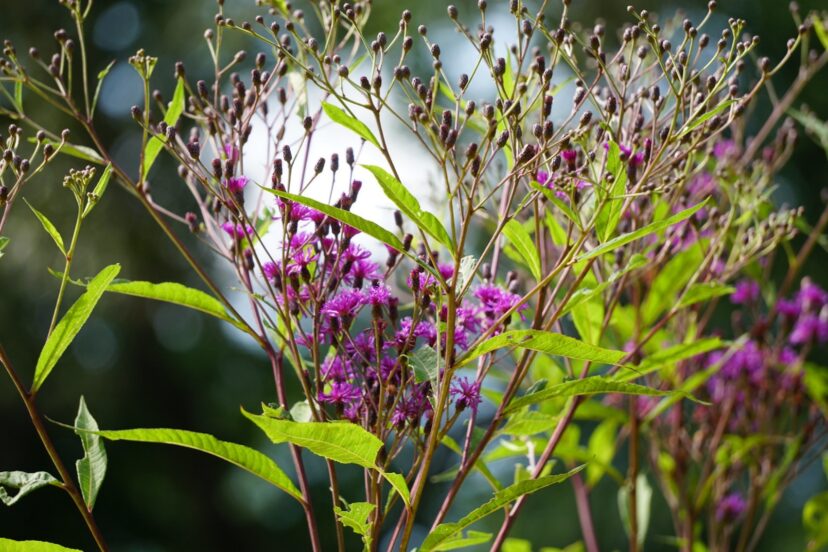
Ironweed (Vernonia sp.) has vivid, purple flowers that bloom in the late summer to early fall.
Barbara H. Smith, ©2023 HGIC, Clemson UniversityTransition Houseplants Indoors
Houseplants moved outdoors for the summer will need to go indoors soon. Damage can occur when nighttime temperatures drop below 50 degrees. Inspect plants for insects and treat accordingly.
Fall Vegetable Garden and Cover Crops
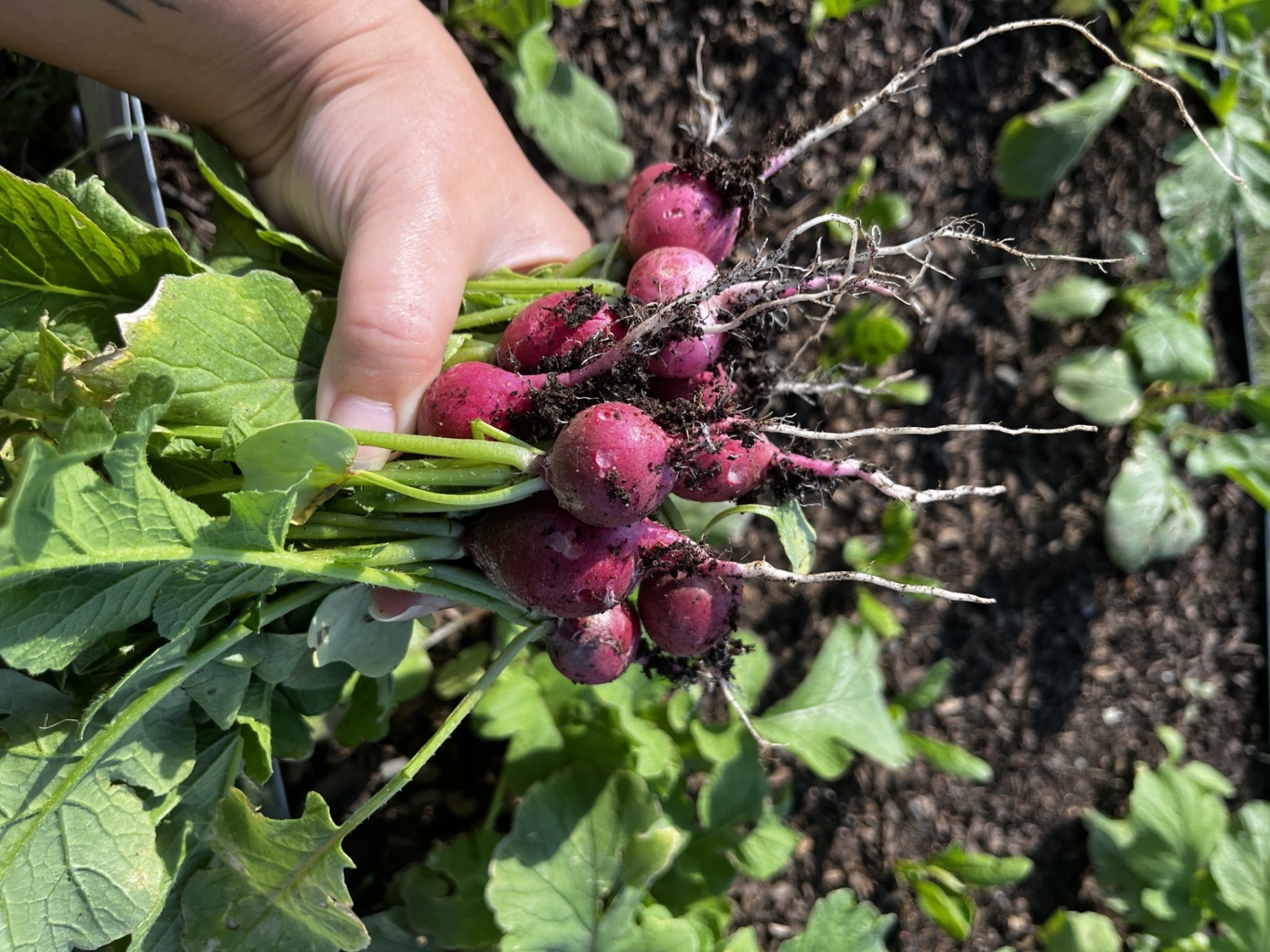
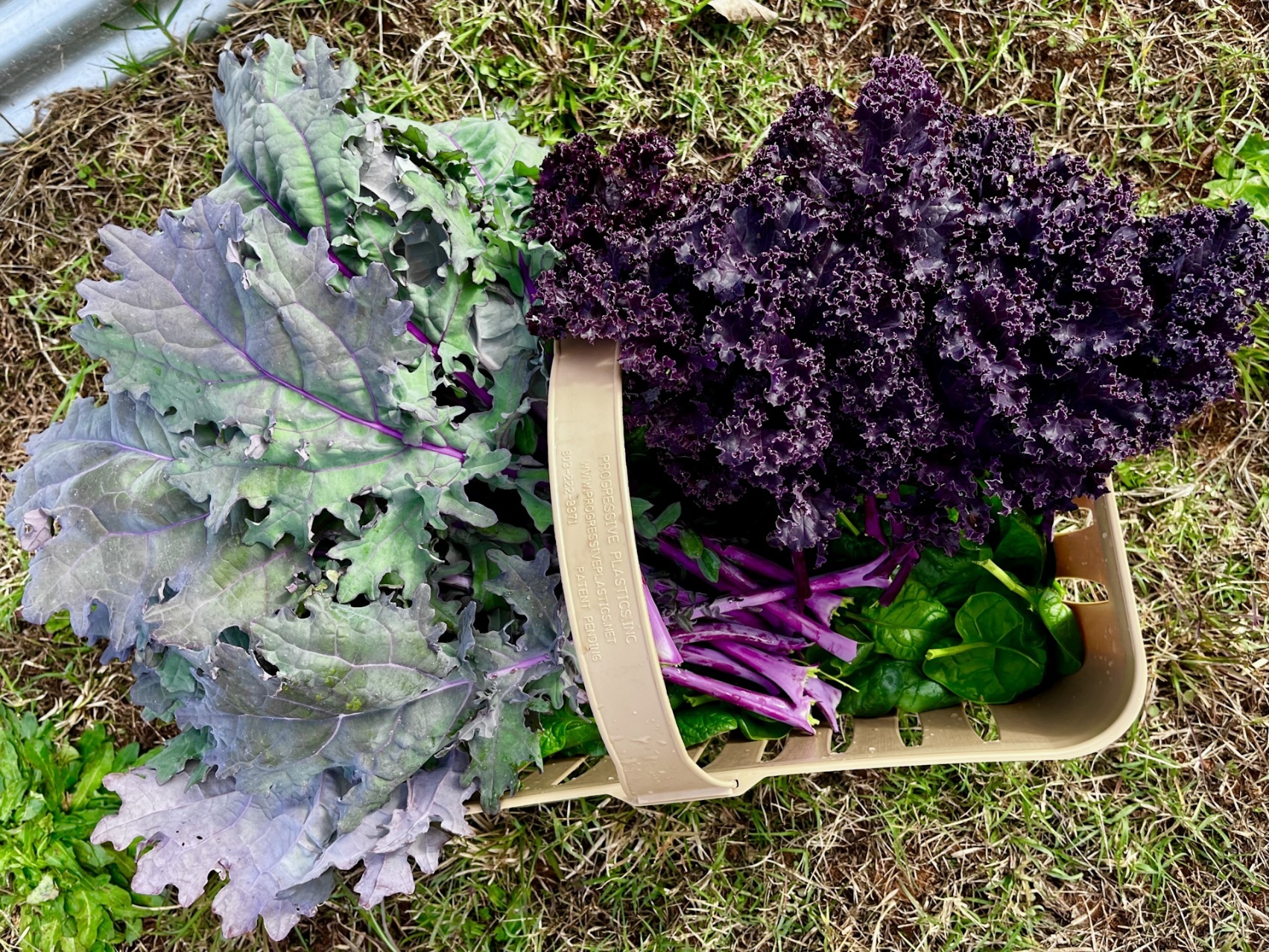
In September, plant fall vegetables like carrots, collards, garlic, kale, turnips, spinach, radish, peas, onions, and mustard.

Radishes are easy to grow from seed and are ready to harvest in as little as four weeks.
Julia Nichols, © 2024 HGIC, Clemson Extension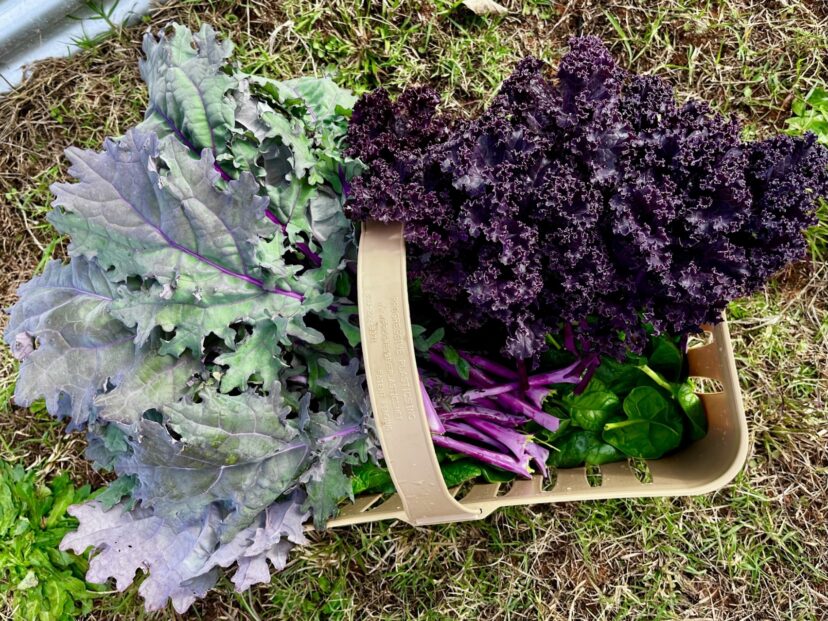
Kale and spinach can be grown in both fall and spring.
Julia Nichols, © 2024 HGIC, Clemson ExtensionMany cover crops, such as winter peas, crimson and red clover, hairy vetch, barley, oats, sorghum, and more, can be grown in the fall. Cover crops can also be grown in raised beds. If your soil test results indicated a high phosphorus level in your vegetable garden, plant cover crops to lower the phosphorus. Crops like rye, oats, wheat, and barley help to remove phosphorus from the soil when pulled up.
September Lawn Care
Apply a pre-emergent herbicide to warm-season lawns like Bermuda, zoysia, and centipede to control winter weeds such as Poa annua, chickweed, henbit, and hairy bittercress. Make a second application 8 to 10 weeks later. Do not apply nitrogen to warm-season lawns this late in the year. Lime can be applied to the lawn, but only if recommended by recent soil test results.
Overseed fescue lawns starting in mid to late September. Do not apply pre-emergent herbicides if overseeding. Fescue lawns can be fertilized this month. Have your soil tested for fertilizer recommendations specifically for your soil and the type of turfgrass you have.
Pest Management
Broadcast fire ant bait in the fall, from late September to early October. Make a second application the following spring in late May/early June. Broadcast the bait instead of treating individual mounds for the most effective treatment.
- Storing pesticides in sheds and garages in cold temperatures over the winter can cause these materials to become ineffective. You can call the phone number on the label if you have questions about the efficacy of your pesticide or visit the National Pesticide Information Center website.
- Avoid pruning now unless absolutely necessary. Pruning in late summer or fall can stimulate tender growth that might be damaged by cold winter temperatures.