Coastal Region – Glen Payne
Lawn Care
- Fall is a strategic time of year to perform soil samples, assessing the results of spring/ summer fertilization. Soil test results will provide indicators of nutrient deficiencies and excesses, some of which are best corrected in the fall. Soil pH can be corrected in the fall and may take 2-6 months to become available for plants.
- Potassium (Potash) levels that are deficient should be installed as turf is actively growing and helps strengthen root growth before going dormant for the season.
- Complete pre-emergent turf applications targeting winter weeds before they germinate.
Mulch
- Prior to winter weeds emerging, apply 2-3 inches of mulch approximately 6 inches from the base of trees and other plant material.
Irrigation
- Check systems for leaks, breaks, and cracks. Begin to reduce the number of run days and length of run time to prevent winter weed seed germination and lessen the spread of fungus in turf & ornamental plantings.
Trees
- The time is now for planting trees correctly in the landscape as seasonal rainfall increases and daily temperatures begin to cool.
- This year appears to have been a heavy nut year for trees in the coastal region. Pecans, Hickories, Black Walnut, & Oaks are producing heavily with this summer’s consistent rainfall & temperatures. Citrus trees planted in the ground are sizing up very nicely as they begin to change color, becoming sweeter as temperatures start to drop.

Tangerine changing from green to orange in the fall.
Glen Payne, ©2025 Clemson Extension

Pecan sizing up before harvest.
Glen Payne, ©2025 Clemson Extension

Hickory tree leaves and fruit.
Glen Payne, ©2025 Clemson Extension
Midlands Region – Jackie Jordan
Vegetable Garden
- Fall vegetable gardening is in full swing. If you haven’t already planted broccoli, cabbage, collards, kale, or cauliflower, get them in soon. Also try planting bok choy, tatsoi and kohlrabi; they are greens with a delicate, slightly sweet flavor with a hint of pepper, and are great in stir fries, salads and soups.
- Carrots, radishes, onions, garlic, leeks, turnips and rutabagas also get planted in October.
- Spinach, lettuce, mesclun, Swiss chard and mustard greens can be grown in containers and will tolerate part shade, so even if you have limited sunlight, you can enjoy fresh home-grown vegetables.
Landscape Flowers
- Hardy annual flower seeds should be sown now. Direct sow Icelandic poppy, California poppy, larkspur, calendula, and bachelor buttons seeds.
- Perennial flower seeds such as echinacea, penstemon, hyssop and rudbeckia can all be sown in the fall as well.
- Add sweet alyssum, pansies, johnny jump-ups, snapdragons and stock to update containers and window boxes for a fall refresh.
- Ornamental grasses should also be added to landscape beds and containers.
- Fall is a great time to divide crowded spring and summer blooming perennials such as iris, daylilies and hostas.
- Add pops of color to your spring landscape by planting daffodils and other spring-blooming bulbs in the fall.
Houseplants
- If you moved any orchids, philodendrons, or other houseplants outside for the summer, prepare them to move indoors before the first frost. Inspect plants for insects and repot if necessary.
Trees
- Fall is a great time to plant trees and shrubs. Look for native plants that are well-suited to our climate, and provide food and habitat for songbirds. Red buckeye, coral honeysuckle and clethra all attract hummingbirds to the landscape.
Lawns
- Make sure to keep the mowing height raised on your warm-season lawn. This will ensure a deeper root system and provide more stored energy for spring when the lawn breaks dormancy.
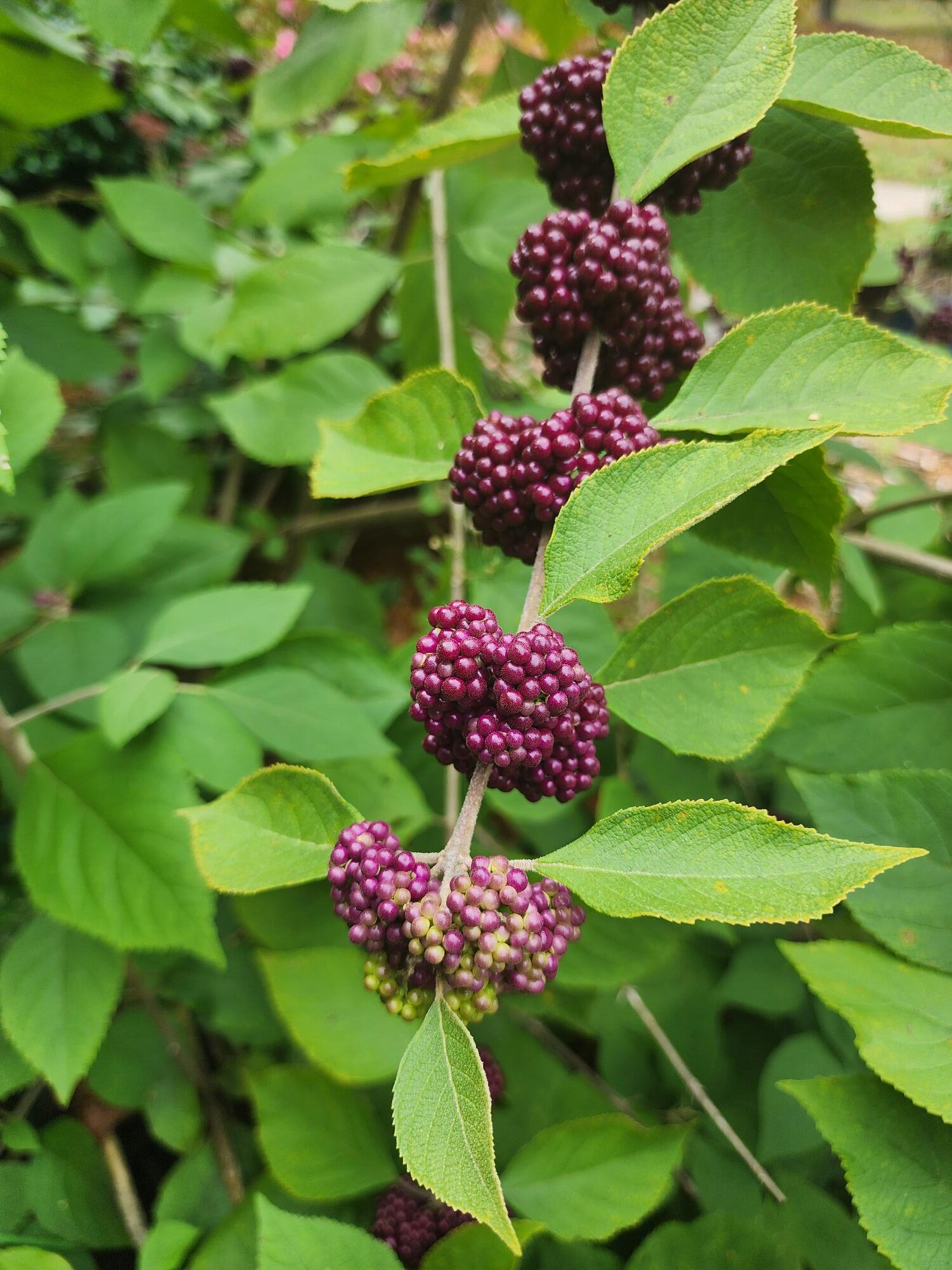
Mexican beauty berry bush, full of fruit.
Jackie Jordan, ©2025, Clemson Extension
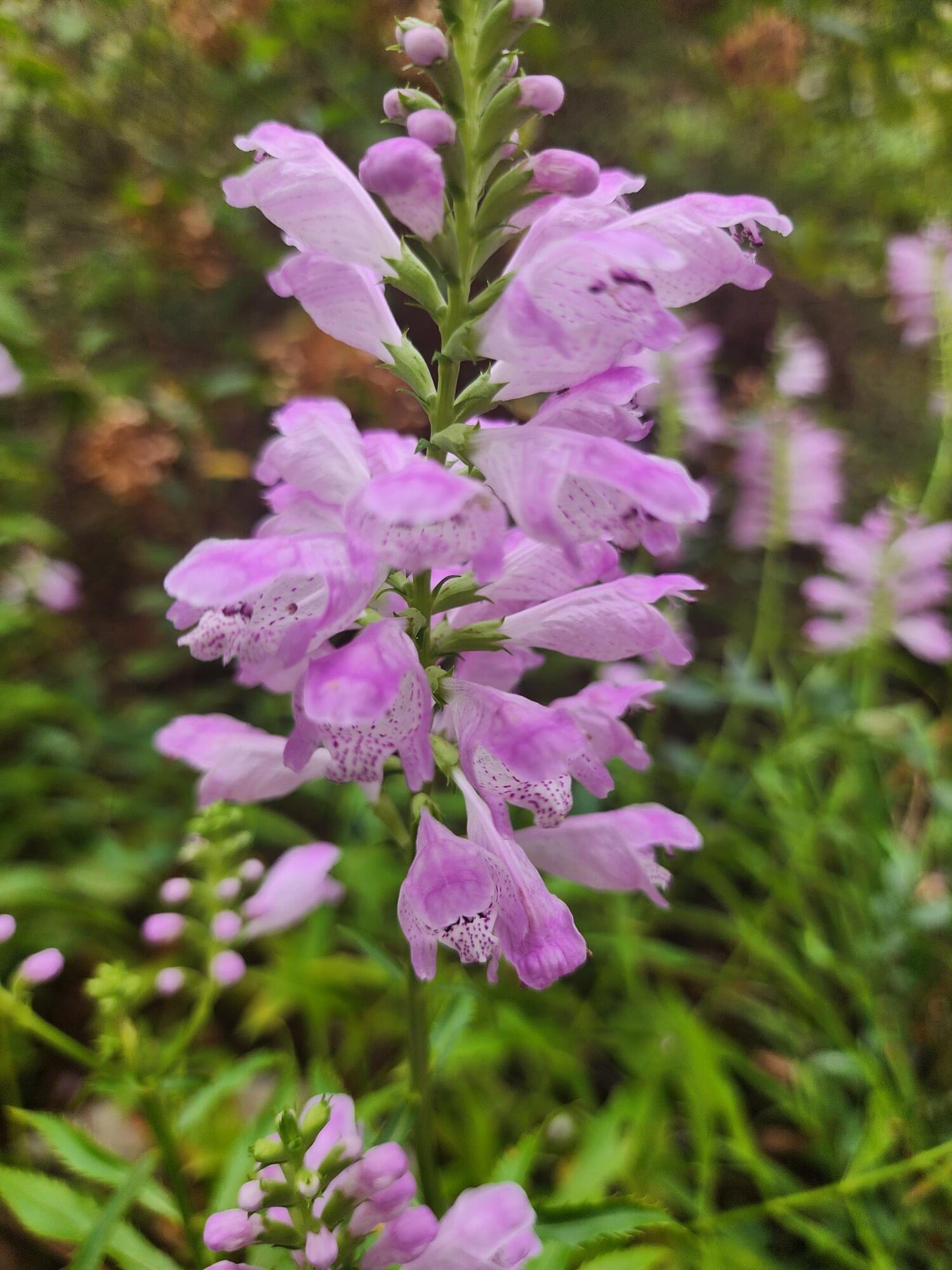
Obedient plant in bloom.
Jackie Jordan, ©2025, Clemson Extension
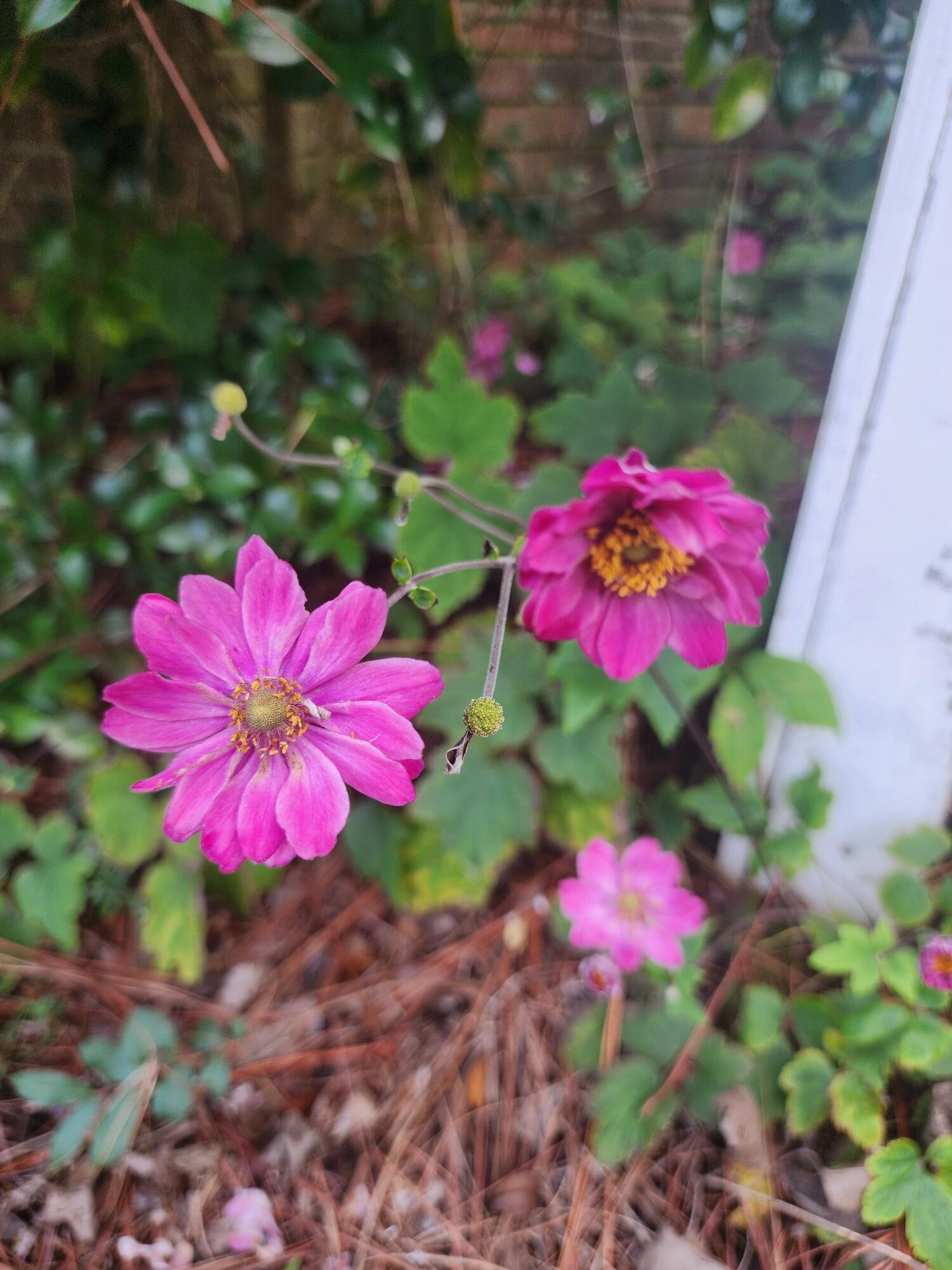
Japanese anemone in bloom.
Jackie Jordan, ©2025, Clemson Extension

‘Elizabeth ‘ pink ginger lily in bloom.
Jackie Jordan, ©2025, Clemson Extension
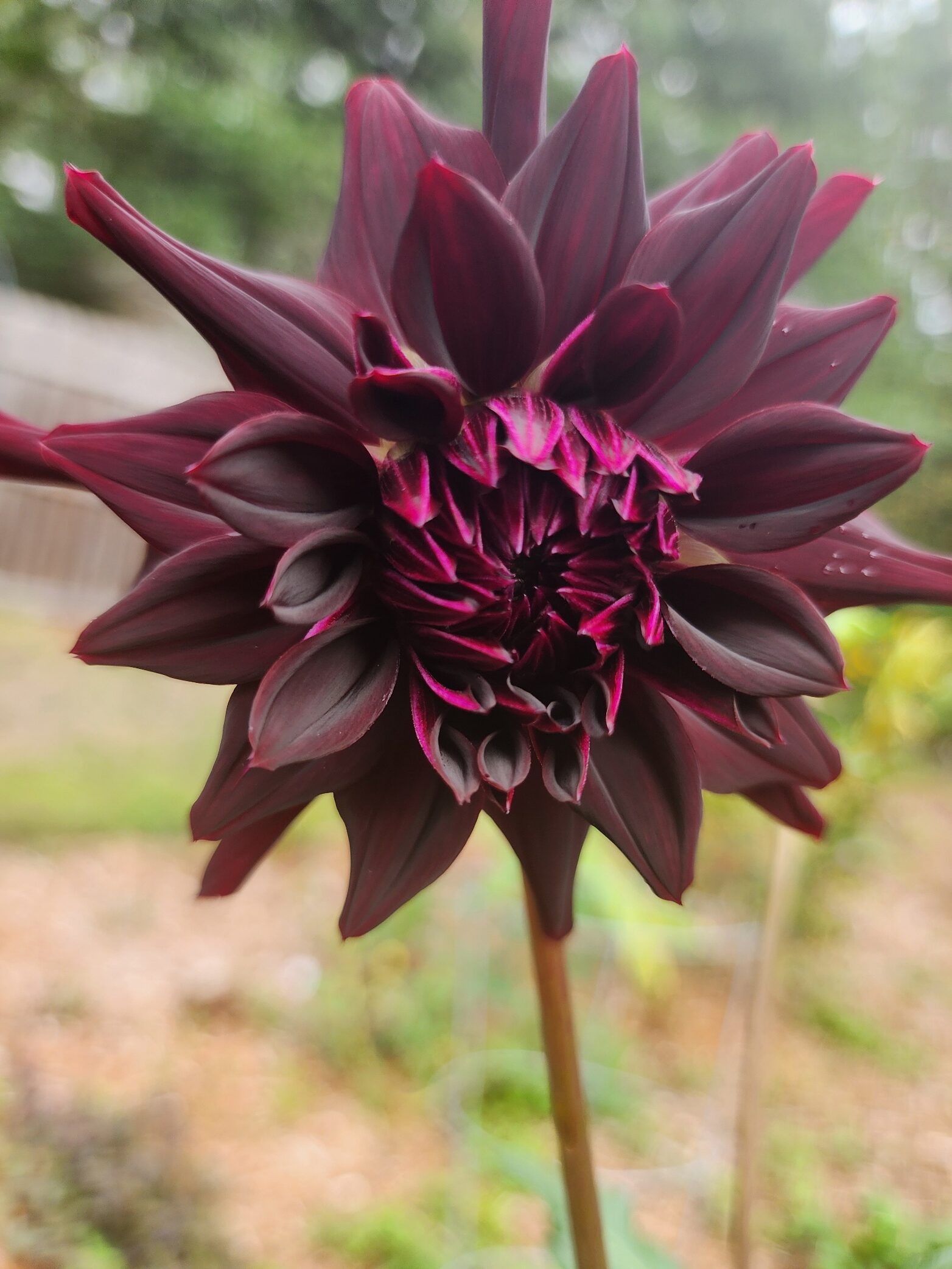
Unknown dahlia in bloom.
Jackie Jordan, ©2025, Clemson Extension
Upstate Region- LayLa Burgess
Landscape Flowers
- It’s the season…and mums the word.
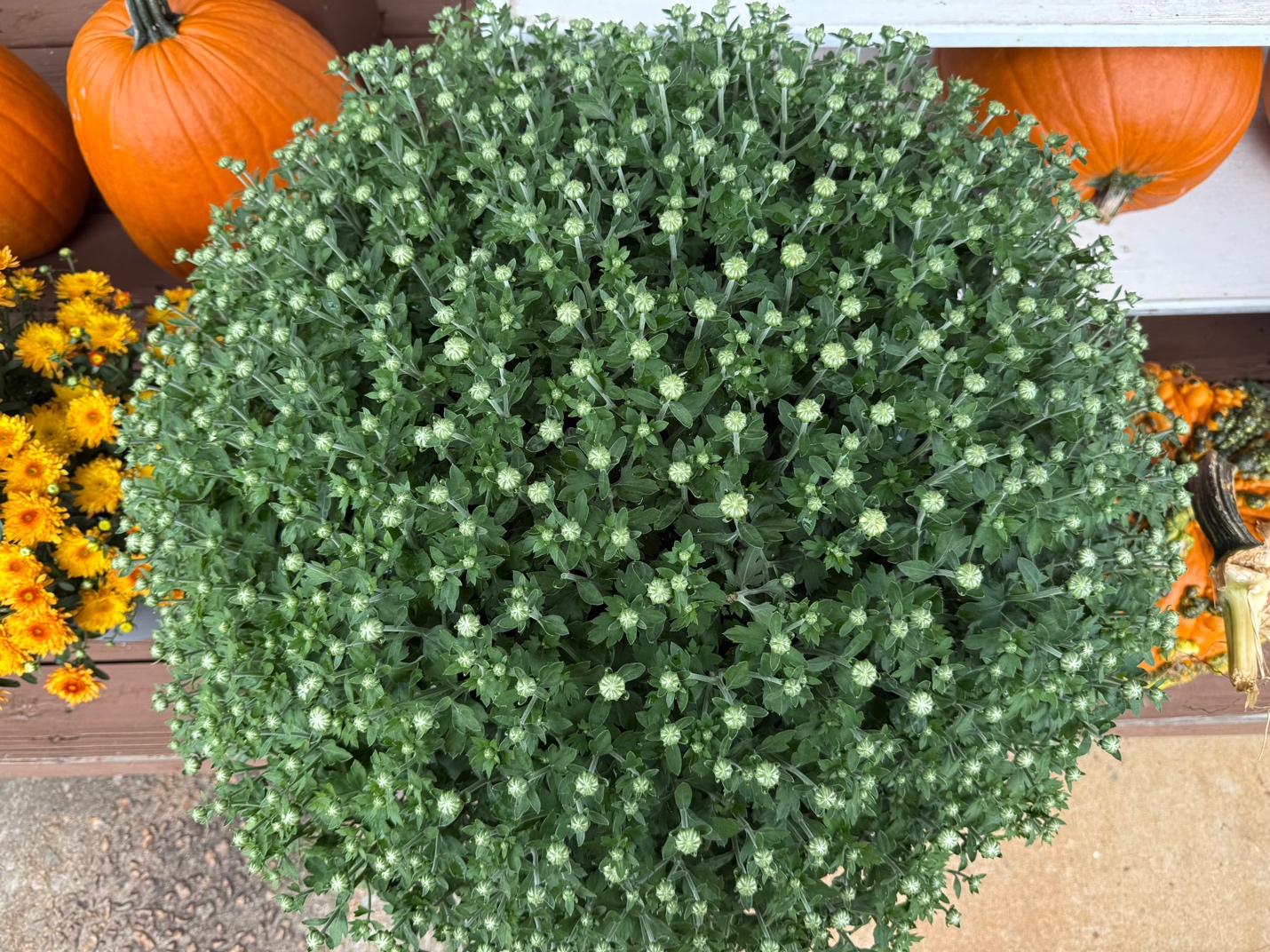
Purchase mums before blooms pop for lasting seasonal color.
LayLa Burgess, ©2025, Clemson Extension
- Collect mature seeds from self-sowing annuals germinated in April, such as cleome, sunflower, zinnia, and cosmos. Store the seeds in a dark, dry, and cool location through the winter for planting next spring, perhaps in a new location.

Sunflower seeds are easily harvested once the seedheads dry.
LayLa Burgess, ©2025, Clemson Extension
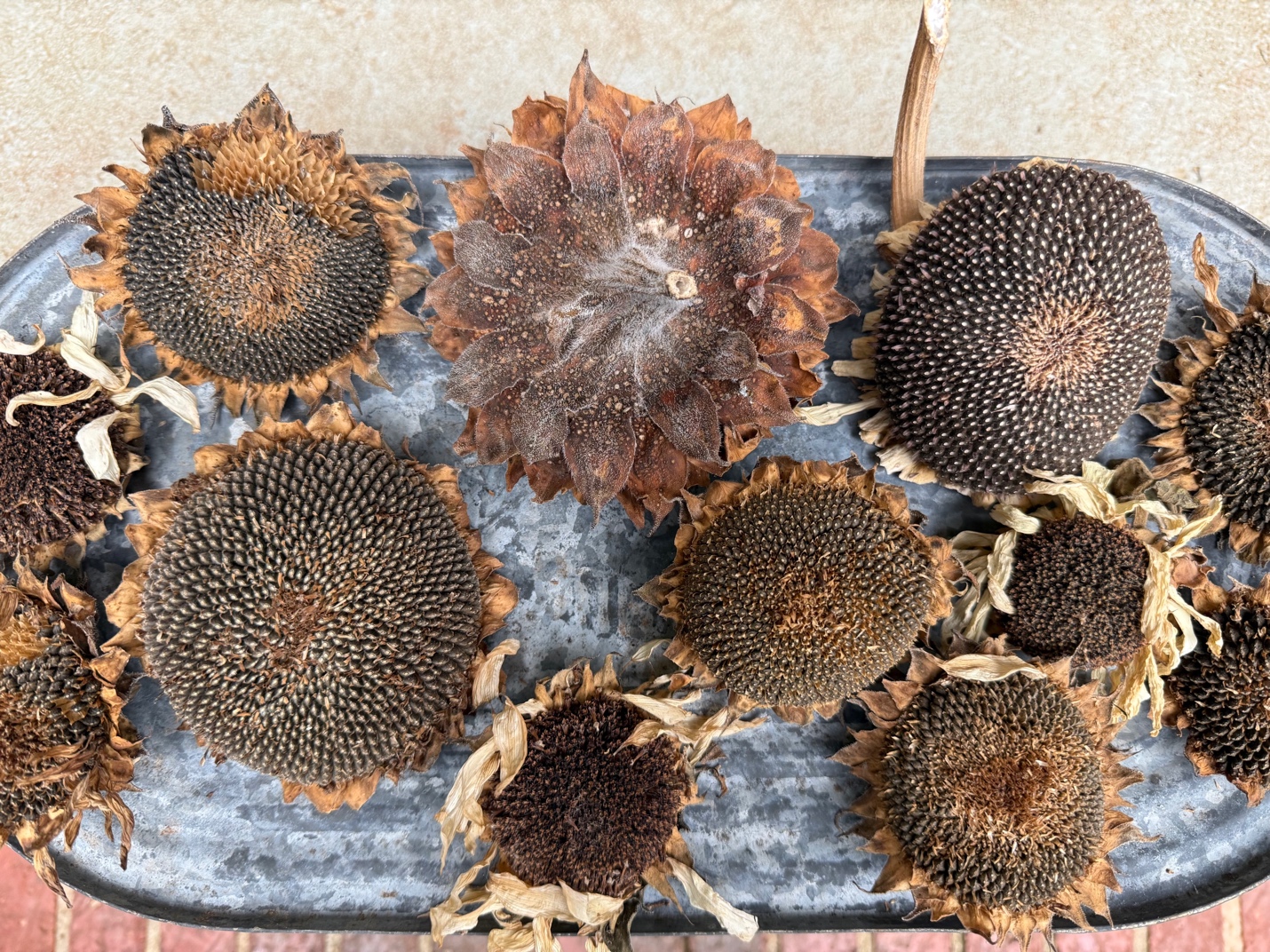
Sunflower seeds are easily harvested once the seedheads dry.
LayLa Burgess, ©2025, Clemson Extension
- Cut lilies back after the leaves have yellowed and turned brown. Dig up caladiums and store them indoors in a cool location for replanting next spring when soil temperatures warm.
- Plant spring flowering bulbs like cyclamen, crocus, snowdrops, winter aconite, anemones, or grape hyacinths. Tuck these bulbs around daffodils (if known where planted) for a splash of color underneath.
Vegetable Garden
- Gardeners can plant garlic cloves, onion plants or sets, and shallots. Shallots are ready to harvest the following spring. Garlic is ready to harvest when the leaves begin to yellow and die back, around early summer 2026.

Garlic is available at farmer’s markets and grocery stores, but it can be grown by you.
LayLa Burgess, ©2025, Clemson Extension
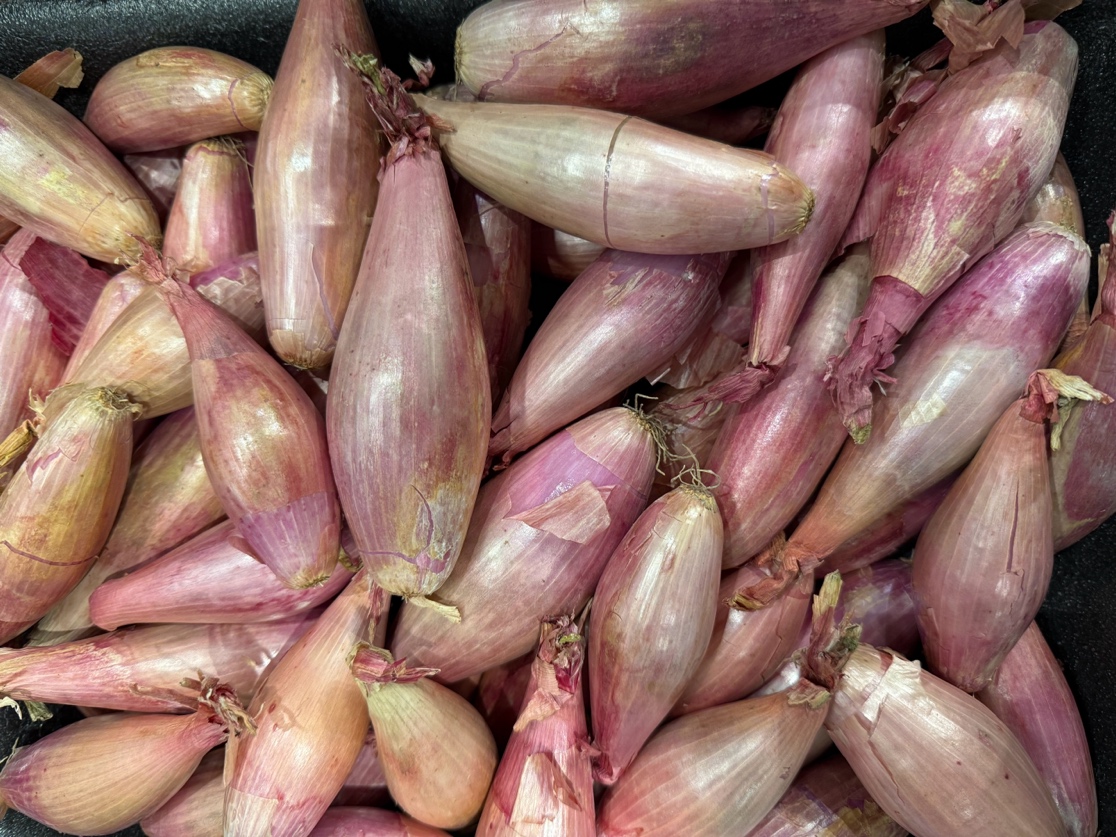
Shallots have a mild flavor and store well in dry, cool conditions.
LayLa Burgess, ©2025, Clemson Extension
- Plant spinach in cold frame structures to weather through low winter temperatures. Also, plant garden peas outdoors through the end of the month.
Lawns
- When mowing cool-season fescue lawns this season, follow the one-third rule to remove only the upper one-third of the leaf blade. Mowing regularly keeps grass clippings small to aid in quickly breaking them down and recycling the available nitrogen in them.
Landscape Cleanup
- Mulch fallen leaves in place with a mower or rake and shred them to make leaf mold, or add them to a compost pile. Amend flower bed soil with finished compost or apply leaf mold to beds next spring.
- Remove faded rose petals by hand or allow them to drop naturally, rather than deadheading spent blooms. This encourages rose hips to form for added winter interest in the landscape.
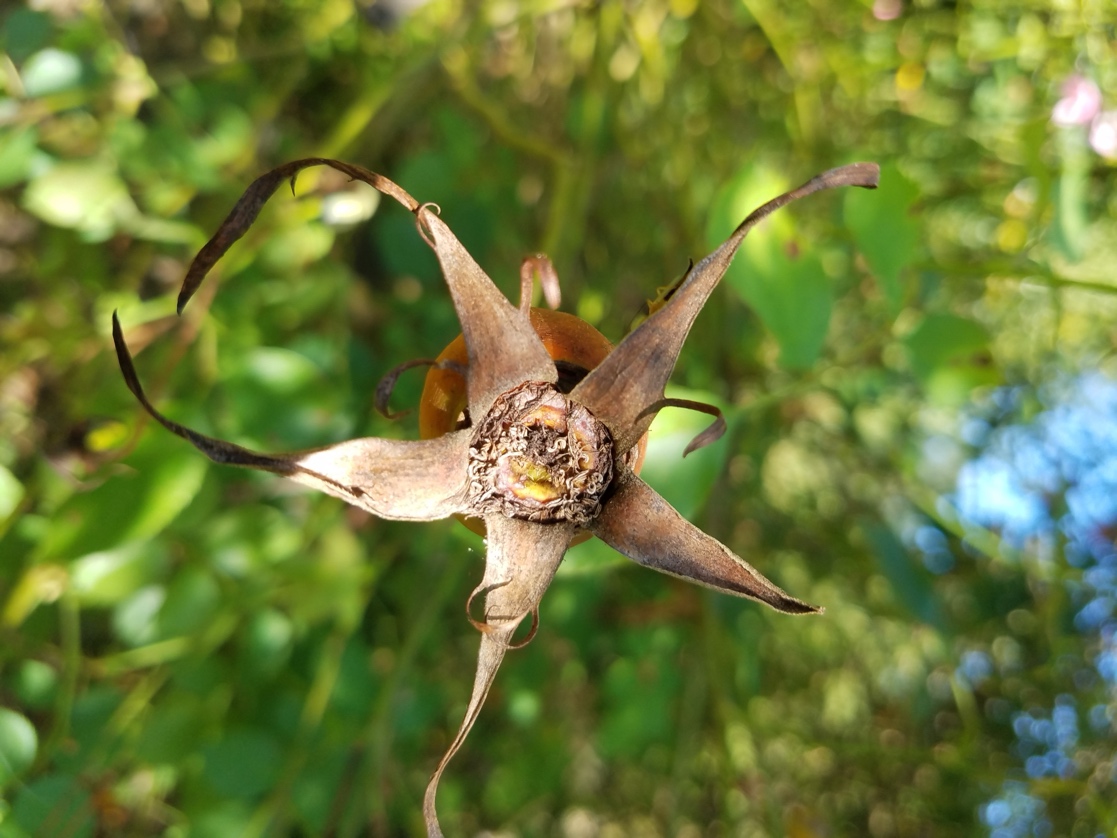
The sepals become papery with age and may be retained with the rose hip.
LayLa Burgess, ©2018, Clemson Extension

Rose hip color ranges from oranges, yellows, reds, to deep purples, depending on the rose species and cultivar.
LayLa Burgess, ©2018, Clemson Extension